
SEO Metadata Options
SEO Title Options
-
How to Control Blood Pressure in CKD: Clinical Rules & Targets (65 characters)
-
Managing High Blood Pressure with CKD: Guidelines & Medications (64 characters)
-
Hypertension in CKD: Evidence-Based Rules to Protect Your Kidneys (66 characters)
Meta Description Options
-
Learn how to control blood pressure in CKD patients. Discover clinical BP targets, ACEi/ARB rules, low-sodium strategies, and how to slow kidney disease. (154 characters)
-
High blood pressure accelerates kidney damage. Explore clinical target goals, lifestyle adjustments, and safe medication management for CKD patients. (152 characters)
Medically reviewed by Board-Certified Nephrologist & Clinical Specialist | Updated September 2026
Medical Disclaimer: The information provided in this comprehensive guide is for educational and informational purposes only and does not constitute medical advice, clinical diagnosis, or individualized treatment plans. Chronic Kidney Disease (CKD) and systemic hypertension are complex, interrelated medical conditions that require direct, continuous supervision by a qualified healthcare provider or nephrologist. Never disregard professional medical advice, delay seeking treatment, or adjust prescribed antihypertensive medications based on information published on this website.
Key Takeaways (Executive Summary)
The Renal-Vascular Feedback Loop: Uncontrolled hypertension causes structural shearing stress that damages delicate renal microvasculature. Conversely, damaged kidneys lose their ability to regulate fluid volume and hormonal signals, creating a self-reinforcing cycle of progressive organ decline.
Clinical Target Guidelines: Leading international nephrology guidelines (such as KDIGO) recommend maintaining office blood pressure below 130/80 mmHg—and targeting a systolic blood pressure below 120 mmHg when measured using standardized protocols—to maximize nephron preservation.
First-Line Pharmacotherapy: Angiotensin-Converting Enzyme Inhibitors (ACEis) or Angiotensin II Receptor Blockers (ARBs) represent the gold-standard first-line therapy due to their unique physiological ability to reduce intraglomerular hypertension and suppress urinary protein excretion (proteinuria).
Synergistic Lifestyle Modifications: Strict dietary sodium restriction (under 2,000 mg per day), structured low-impact physical exercise, body weight management, and avoidance of nephrotoxic drugs (such as OTC NSAIDs) substantially enhance medication efficacy and help preserve remaining kidney function.
The Pathophysiological Link Between High Blood Pressure and CKD
Hypertension is uniquely positioned in clinical nephrology as both a primary etiology and a inevitable secondary consequence of Chronic Kidney Disease (CKD). To understand why controlling blood pressure is the single most critical intervention in non-dialysis kidney care, one must first understand the structural and functional vulnerability of the microvasculature inside the human kidney.
Each kidney contains approximately one million microscopic filtering structures known as nephrons. At the heart of each nephron is a delicate vascular tuft called the glomerulus. The glomeruli are composed of high-pressure capillary beds that filter metabolic waste, excess electrolytes, and water from the bloodstream while retaining vital blood cells and plasma proteins.
                                [ PATHOPHYSIOLOGICAL CYCLE ]

+----------------------------------+                   +----------------------------------+
|  Elevated Systemic Blood Pressure | ----------------> |  High Intraglomerular Pressure   |
+----------------------------------+                   +----------------------------------+
                 ^                                                      |
                 |                                                      v
+----------------------------------+                   +----------------------------------+
|  Renin-Angiotensin Activation &  | <---------------- |  Glomerosclerosis & Loss of      |
|  Fluid/Sodium Retention          |                   |  Functional Nephron Units        |
+----------------------------------+                   +----------------------------------+
When systemic blood pressure remains chronically elevated, the physical shearing force transmitted into these micro-capillaries causes mechanical injury to the endothelial cells and podocytes (specialized filtration cells). Over time, this mechanical trauma leads to glomerulosclerosis (permanent scarring of the filtering units).
As functional nephrons die, the remaining healthy nephrons are forced to compensate by increasing their own internal filtration pressure—a phenomenon known as adaptive hyperfiltration. While hyperfiltration temporarily maintains overall waste clearance, it accelerates physical damage to the remaining healthy tissue. Furthermore, damaged renal tissue loses its baseline capacity to balance sodium and water excretion and over-activates the Renin-Angiotensin-Aldosterone System (RAAS), driving systemic blood pressure higher and creating a destructive feedback loop.
According to long-term clinical research published by the National Institute of Diabetes and Digestive and Kidney Diseases (NIDDK), controlling systemic and intraglomerular pressure is the single most effective therapeutic intervention available to disrupt this cycle and prevent progression toward End-Stage Renal Disease (ESRD).
Clinical Blood Pressure Targets for CKD Patients
Establishing an appropriate blood pressure target is a foundational element of renal preservation. Because compromised nephrons are far more sensitive to pressure-induced injury than healthy tissues, target blood pressure thresholds for CKD patients are lower and more strictly enforced than those applied to the general population.
+-----------------------------------------------------------------------------------+
|                        CLINICAL BLOOD PRESSURE TARGET MATRIX                      |
+-----------------------------------------------------------------------------------+
| * Standard Clinical Goal (KDIGO Guidelines): < 130/80 mmHg                        |
| * Intensive Systolic Goal (Standardized Office Measurement): < 120 mmHg           |
| * Key Exception Criteria: Frail elderly patients, severe autonomic neuropathy,     |
|   or individuals with symptomatic orthostatic hypotension                         |
+-----------------------------------------------------------------------------------+
Clinical practice guidelines from Kidney Disease: Improving Global Outcomes (KDIGO) advise that adults with CKD should aim for a systolic blood pressure below 120 mmHg, provided the measurement is obtained using standardized, automated office blood pressure protocols and the patient tolerates the treatment without severe side effects like postural dizziness or syncope.
| Blood Pressure Category | Systolic Range (mmHg) | Diastolic Range (mmHg) | Therapeutic Management Strategy for CKD Patients |
| Optimal Target Range | $< 120 - 125$ | and $< 80$ | Maintain low-sodium diet, exercise routine, and routine home monitoring. |
| Elevated / Stage 1 | $130 - 139$ | or $80 - 89$ | Initiate first-line antihypertensive therapy (ACEi/ARB) and strict sodium restriction. |
| Stage 2 Hypertension | $\ge 140$ | or $\ge 90$ | Implement combination pharmacotherapy (e.g., ACEi/ARB + CCB or Diuretic); re-evaluate monthly. |
| Hypertensive Crisis | $> 180$ | or $> 120$ | Seek emergency clinical evaluation to evaluate acute organ failure risks. |
Achieving these intensive targets significantly reduces both the rate of kidney function decline and overall cardiovascular mortality. However, clinicians must carefully balance intensive lowering against the risk of transient acute kidney injury (AKI) or organ hypoperfusion, particularly in elderly patients or those with advanced renovascular disease.
Pharmacological Strategies: First-Line and Combination Therapies
In the vast majority of patients with CKD, lifestyle modifications alone are insufficient to achieve target blood pressure goals. Pharmacological intervention is usually required, with drug selection guided by a medication's capacity to provide direct renal protection beyond simple systemic pressure reduction.
+-----------------------------------------------------------------------------------+
|                       MECHANISM OF ACEi / ARB RENAL PROTECTION                    |
+-----------------------------------------------------------------------------------+
| 1. Systemic Inhibition of Angiotensin II Signaling                                 |
| 2. Preferential Vasodilation of the Renal Efferent Arteriole                       |
| 3. Reduction of Intraglomerular Hydrostatic Pressure                              |
| 4. Suppression of Protein Leakage Across the Glomerular Membrane                  |
+-----------------------------------------------------------------------------------+
1. ACE Inhibitors and ARBs (Gold-Standard First-Line Agents)
Angiotensin-Converting Enzyme Inhibitors (ACEis—e.g., lisinopril, enalapril, ramipril) and Angiotensin II Receptor Blockers (ARBs—e.g., losartan, valsartan, irbesartan) are the foundational medications for managing hypertension in CKD, especially in patients with co-existing diabetes or albuminuria (protein in the urine).
-
Renal Hemodynamic Mechanism: These agents block the action of Angiotensin II, a hormone that selectively constricts the efferent arteriole (the exit blood vessel leaving the glomerulus). By relaxing and widening this exit vessel, ACEis and ARBs lower the internal hydrostatic pressure within the filtering tuft. This reduction in pressure decreases protein filtration through the capillary walls, halting inflammatory scarring.
-
Clinical Monitoring Rules: Initiation or dose escalation of an ACEi or ARB commonly causes a predictable, modest increase in serum creatinine (up to 30% above baseline) and a mild elevation in serum potassium. This initial rise reflects the beneficial dropping of intraglomerular pressure rather than structural injury. Clinicians must order a basic metabolic panel within 1 to 2 weeks of starting therapy to verify that creatinine stabilizes and potassium remains within safe limits ($< 5.5\text{ mEq/L}$).
-
Prescription Rule: ACE inhibitors and ARBs should never be prescribed together (dual RAAS blockade), as clinical trials demonstrate that combined use increases the risk of severe hyperkalemia, acute kidney injury, and syncope without offering extra renal protection.
                             [ GLOMERULAR HEMODYNAMICS ]

   UNTREATED HYPERTENSIVE GLOMERULUS              ACEi / ARB TREATED GLOMERULUS
  ------------------------------------          ----------------------------------
   High Inflow   | High Intraglomerular          High Inflow   | LOWER Intraglomerular
   (Afferent)    | Hydrostatic Pressure          (Afferent)    | Hydrostatic Pressure
                 | & Protein Leakage                           | & Reduced Proteinuria
                 |                                             |
                 v                                             v
           Constricted Efferent                         DILATED Efferent
           Arteriole (Angiotensin II)                   Arteriole (Blocked Angiotensin II)
2. Diuretic Therapy (Managing Volume Overload)
As kidney function drops, the body's natural capacity to excrete excess dietary sodium and water diminishes. This retention expands intravascular volume, driving up systemic blood pressure and causing peripheral swelling (edema).
-
Thiazide Diuretics (e.g., hydrochlorothiazide, chlorthalidone): Most effective in early-stage CKD (Stages 1 through 3a) with an eGFR $> 30\text{ mL/min/1.73m}^2$.
-
Loop Diuretics (e.g., furosemide, torsemide, bumetanide): Preferred in moderate-to-advanced CKD (Stages 3b through 5) where filtration capacity is low. Loop diuretics effectively promote urinary sodium and water clearance even at reduced filtration rates.
-
Mineralocorticoid Receptor Antagonists (MRAs): Novel non-steroidal MRAs (such as finerenone) have emerged as powerful add-on therapies in diabetic kidney disease, reducing cardiovascular risk and slowing CKD progression while requiring close monitoring for hyperkalemia.
3. Calcium Channel Blockers (CCBs)
Dihydropyridine Calcium Channel Blockers (e.g., amlodipine, nifedipine) are frequently utilized as second- or third-line agents when target blood pressure is not met with maximum tolerated doses of an ACEi/ARB and a diuretic. They work by relaxing systemic arterial smooth muscle, safely lowering blood pressure without adversely altering electrolyte balances.
For further insights into how filtration thresholds determine medication selection, consult our clinical resource on understanding GFR units.
Evidence-Based Lifestyle Strategies for Blood Pressure Control
Non-pharmacological interventions are essential components of blood pressure management in CKD. Lifestyle changes lower baseline blood pressure and enhance the therapeutic efficacy of antihypertensive medications.
+-----------------------------------------------------------------------------------+
|                        NON-PHARMACOLOGICAL LIFESTYLE PILLARS                      |
+-----------------------------------------------------------------------------------+
| 1. Strict Dietary Sodium Restriction (< 2,000 mg/day or < 5g NaCl/day)            |
| 2. Moderate Aerobic Exercise (150 minutes per week)                               |
| 3. Optimized Weight Management & Glycemic Control                                 |
| 4. Total Elimination of OTC Nephrotoxic Substances (NSAIDs, Herbal Cleanses)      |
+-----------------------------------------------------------------------------------+
1. Strict Dietary Sodium Restriction
Excess sodium intake expands intravascular volume and blunts the blood-pressure-lowering effects of ACE inhibitors, ARBs, and diuretics.
-
Target Daily Intake: Restrict total daily sodium to less than 2,000 mg per day (equivalent to roughly 5 grams or one level teaspoon of table salt).
-
Implementation Rules: Eliminate processed meats, canned goods, frozen pre-packaged foods, commercial condiments, and restaurant meals. Flavor food with natural herbs, garlic, onions, and citrus juices.
-
Potassium Caution: Patients with CKD must avoid commercial salt substitutes that contain potassium chloride. Because failing kidneys struggle to clear excess potassium, using these products can trigger life-threatening hyperkalemia (high blood potassium).
2. Regular Low-Impact Physical Exercise
Engaging in regular, moderate-intensity aerobic exercise helps reduce arterial stiffness, lowers sympathetic nervous system tone, improves insulin sensitivity, and lowers baseline systolic blood pressure by an average of 5 to 8 mmHg.
-
Recommended Routine: Aim for 30 minutes of low-impact activity—such as brisk walking, stationary cycling, or water aerobics—5 days per week. Patients should avoid extreme high-intensity powerlifting or unconditioned physical exertion that can induce rhabdomyolysis (muscle breakdown) and acute renal stress.
3. Absolute Avoidance of Nephrotoxic Medications
Over-the-counter Non-Steroidal Anti-Inflammatory Drugs (NSAIDs)—including ibuprofen, naproxen, and high-dose aspirin—are direct renal toxins.
[ NSAID Administration ] ---> [ Inhibits Renal Prostaglandins ] ---> [ Constricts Afferent Arteriole ] ---> [ Acute eGFR Drop & BP Spike ]
NSAIDs inhibit renal prostaglandins, which are necessary to keep the afferent arteriole (the entry blood vessel to the glomerulus) open. Constricting this vessel starves the kidney of blood flow, lowers filtration, causes acute fluid retention, and elevates blood pressure. For pain management, patients should consult their physician regarding safer alternatives such as acetaminophen or localized physical therapies.
For a comprehensive guide on identifying hidden dietary and pharmacological hazards, read our review on what to avoid when creatinine levels are high.
Protocols for Accurate Home Blood Pressure Monitoring
Relying solely on sporadic blood pressure measurements taken in a clinical setting can lead to improper therapy adjustments due to "white-coat hypertension" (stress-induced elevated readings at the doctor's office) or "masked hypertension" (normal office readings despite elevated home levels).
[ Standardized Home Measurement Protocol ]

1. Rest quietly in a chair with back support for 5 minutes prior to testing.
2. Ensure feet are flat on the floor with legs uncrossed.
3. Rest the test arm on a flat surface so the cuff sits at heart level.
4. Avoid caffeine, exercise, and tobacco for at least 30 minutes before reading.
5. Take two consecutive readings 1 minute apart morning and evening; record averages.
Patients should utilize an upper-arm automated blood pressure cuff that has been validated for accuracy and calibrated against office equipment. Wrist and finger monitors are inconsistent and should not be used for clinical decision-making in CKD.
To better understand how blood pressure control impacts long-term diagnostic trends, explore our clinical overview on when to worry about eGFR levels.
Recognizing Hypertensive Emergencies & Red-Flag Symptoms
While chronic hypertension causes silent, progressive structural damage, acute blood pressure spikes can cause immediate, life-threatening damage to the brain, heart, eyes, and kidneys.
+-----------------------------------------------------------------------------------+
|                     HYPERTENSIVE RED-FLAG CLINICAL SYMPTOMS                        |
+-----------------------------------------------------------------------------------+
| * Blood pressure reading exceeding 180 mmHg Systolic or 120 mmHg Diastolic        |
| * Sudden onset of severe, crushing chest pain or shortness of breath (dyspnea)    |
| * Acute neurological changes: severe headache, confusion, or visual blurring      |
| * Rapid development of peripheral edema or a sudden drop in daily urine volume     |
+-----------------------------------------------------------------------------------+
According to emergency management guidelines established by the American Heart Association (AHA), a blood pressure reading exceeding 180/120 mmHg accompanied by acute end-organ symptoms constitutes a hypertensive emergency requiring immediate emergency medical care and intravenous blood pressure management.
For supplementary non-pharmacological approaches to renal care, review our guide on evidence-based home remedies for kidney health.
Frequently Asked Questions
Why did my doctor start a blood pressure medication if my blood pressure readings are normal?
In patients with Chronic Kidney Disease, medications like ACE inhibitors (e.g., lisinopril) or ARBs (e.g., losartan) are frequently prescribed for reasons beyond systemic blood pressure control. These drugs uniquely dilate the efferent arterioles leaving the kidney's filtering units, which lowers internal pressure within the glomerulus and reduces protein leakage into the urine (proteinuria). By stopping protein-induced kidney scarring, ACEis and ARBs protect long-term filtration capacity even in individuals with normal baseline blood pressure.
Can lowering my blood pressure too low cause kidney damage?
Yes. If systemic blood pressure drops too low (hypotension), the kidneys may not receive enough blood flow to maintain normal waste clearance, a state known as renal hypoperfusion. This can trigger a temporary drop in eGFR or induce an acute kidney injury (AKI). Your nephrologist will balance your treatment to keep blood pressure low enough to prevent long-term arterial scarring, but high enough to ensure adequate blood flow to your functional nephron tissue.
Why does my doctor check my potassium levels after starting a blood pressure drug?
First-line blood pressure medications—specifically ACE inhibitors, ARBs, and certain potassium-sparing diuretics—interfere with the hormone aldosterone, which normally signals the kidneys to excrete excess potassium through urine. Because damaged kidneys already have reduced potassium clearance, taking these medications can cause potassium to build up in the blood (hyperkalemia). High potassium can cause dangerous heart rhythm abnormalities, so regular blood monitoring after starting or adjusting these drugs is essential.
How does controlling blood pressure slow down CKD progression?
High systemic blood pressure transmits physical force directly into the delicate capillary tufts of the glomeruli, causing mechanical shearing injury, inflammation, and scarring over time. By keeping systemic blood pressure within recommended clinical target ranges (such as $< 130/80\text{ mmHg}$), you reduce physical stress on these micro-capillaries, preserve functional nephrons, lower urinary protein loss, and delay or prevent the need for kidney replacement therapy or dialysis.
Conclusion
Managing blood pressure in CKD patients requires a holistic approach that combines medication, lifestyle modifications, and regular monitoring. Collaborating closely with healthcare providers ensures that treatment is tailored to individual needs, minimizing complications and improving quality of life. By prioritizing blood pressure control, CKD patients can significantly slow disease progression and reduce their risk of cardiovascular events.
Medical Disclaimer: The information provided in this article is for educational and informational purposes only and does not constitute medical advice, diagnosis, or treatment. Chronic Kidney Disease (CKD) and hypertension require precise, individualized clinical oversight. Never disregard professional medical advice or alter prescribed medications because of something you have read on this website. Always consult a qualified physician or nephrologist before making changes to your treatment plan.
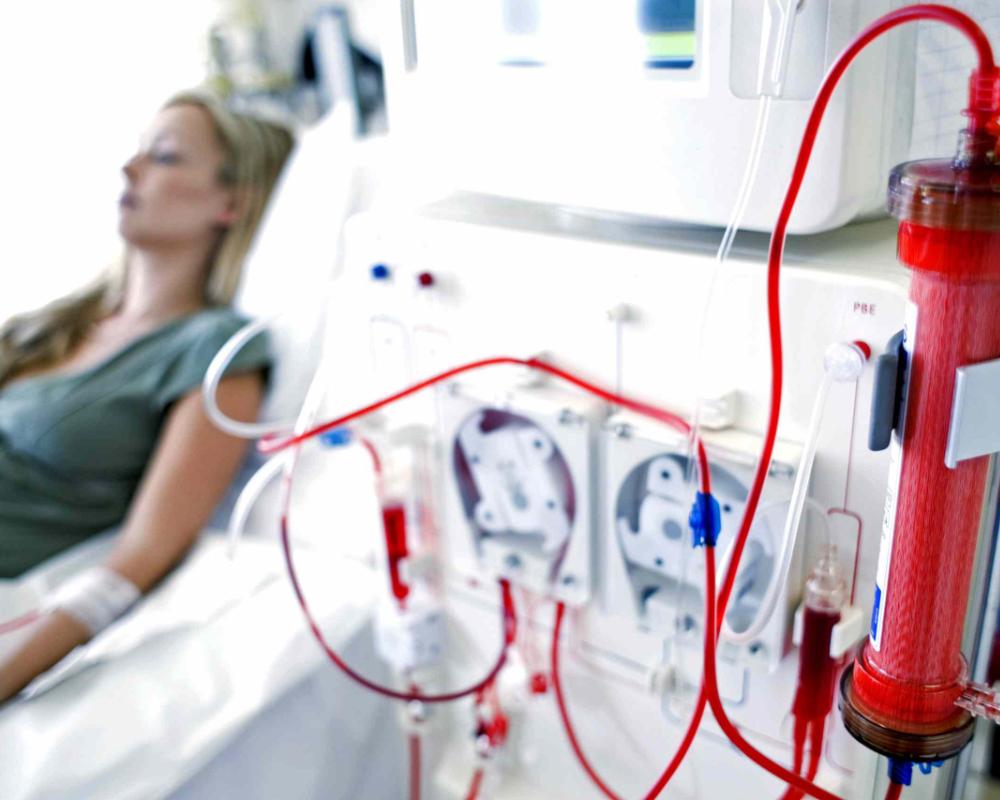
Are you tired of living under the shadow of kidney disease? Are you yearning for a life free from the shackles of dialysis, kidney failure, and the looming threat of kidney transplants? If so, you're in the right place at the right time. Imagine waking up every morning with boundless energy, feeling rejuvenated and ready to take on the day. Envision a life where your kidneys are functioning optimally, and you no longer dread the burdensome routines of dialysis sessions. The Kidney Disease Solution Program is here to turn that vision into reality for you.