
As a nephrologist, I have seen the landscape of renal care transform remarkably over the last few years. If you or a loved one are navigating a diagnosis, it is natural to feel overwhelmed. However, we are currently in a "golden age" of renal medicine. The focus of treatments chronic kidney diseases has shifted from merely managing complications to actively slowing the decline of function and preserving quality of life.
By focusing on early intervention and precision medicine, we can often delay or even prevent the need for more invasive measures. Understanding your glomerular filtration rate (eGFR) and monitoring for albuminuria are the first steps in tailoring a plan that works for your specific stage of health.
What are the primary treatments chronic kidney diseases patients receive to slow progression?
The cornerstone of modern therapy is the management of underlying conditions that strain the kidneys. For many, this involves rigorous blood pressure management. Keeping your levels below 130/80 mmHg is often the primary goal to reduce the pressure on the delicate filters within your kidneys.
Medications such as ACE inhibitors or ARBs have long been the standard, but we now frequently incorporate SGLT2 inhibitors. Originally designed for diabetes, these drugs have proven to be revolutionary treatments chronic kidney diseases options for non-diabetic patients as well. They work by reducing the workload on the kidneys and lowering proteinuria, which is a key marker of kidney stress. Additionally, managing creatinine levels through consistent medication adherence helps us track how well these interventions are preserving your organ function.
Can lifestyle changes truly act as effective treatments chronic kidney diseases?
Absolutely. Clinical data confirms that lifestyle modifications are not just "supportive" but are foundational treatments chronic kidney diseases components. A specialized renal diet is often the most impactful change a patient can make. This typically involves:
-
Sodium Reduction: Reducing salt intake to under 2,300mg daily to manage hypertension and fluid retention.
-
Protein Regulation: Adjusting protein intake to minimize the buildup of waste products in the blood.
-
Phosphorus and Potassium Monitoring: Limiting these minerals as the disease progresses to avoid bone disease and heart rhythm issues.
Maintaining a healthy weight and staying physically active also improves cardiovascular health, which is vital since the heart and kidneys are deeply interconnected.
What are the latest medical breakthroughs in treatments for chronic kidney diseases?
As of 2025, we are seeing the emergence of "the four pillars" of pharmacological renal protection. Beyond SGLT2 inhibitors, we now utilize GLP-1 receptor agonists and non-steroidal mineralocorticoid receptor antagonists (MRAs). These newer treatments chronic kidney diseases target inflammation and scarring—the two main drivers of kidney failure.
Furthermore, research into diabetic nephropathy has led to more personalized treatments that address the genetic factors of disease progression. For those in later stages, we are seeing advances in "incremental dialysis" and more portable technology, making the transition to life-sustaining care less disruptive to one's daily routine.
When do treatments chronic kidney diseases transition to dialysis or transplant?
When a patient reaches end-stage renal disease (ESRD), where the kidneys function at less than 15% of their capacity, the focus shifts to renal replacement therapy. This is a significant milestone, but it is not the end of the road.
We typically discuss two main paths:
-
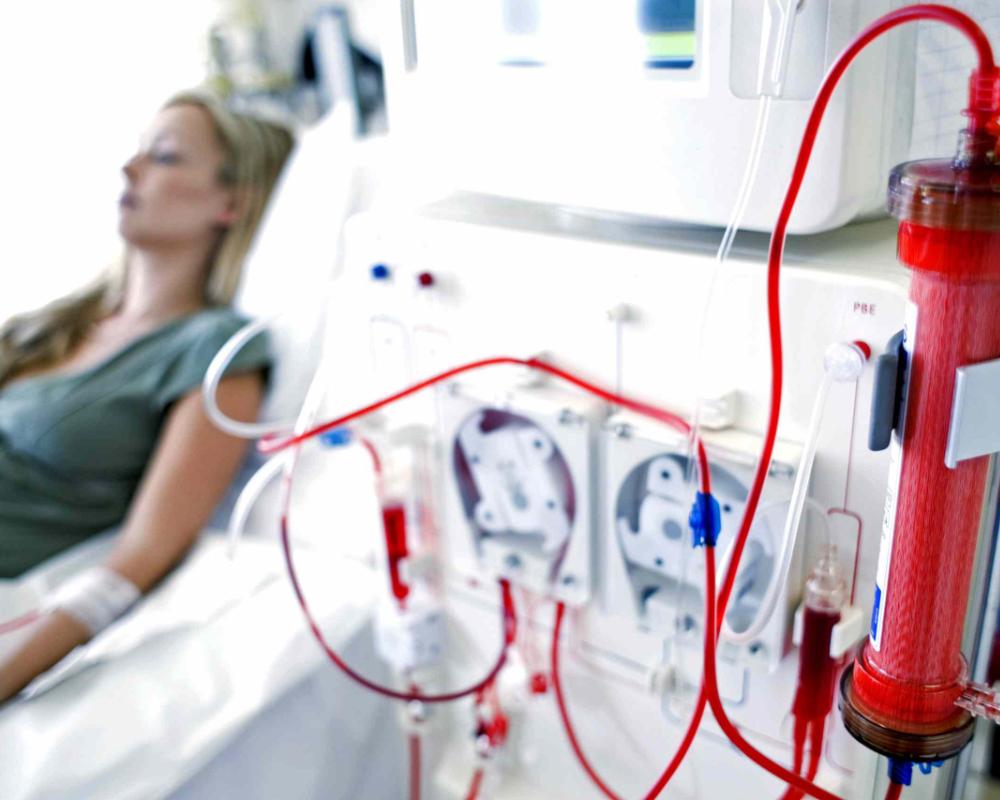
Dialysis: This includes hemodialysis, usually performed in a center, or peritoneal dialysis, which many of my patients prefer because it can be done at home while they sleep.
-
Kidney Transplant: Often considered the "gold standard" of treatments chronic kidney diseases for those who are eligible. A transplant offers the best long-term survival rates and the highest quality of life.
The goal of your medical team is to prepare you for these options long before they become an emergency. Early education and vascular access planning ensure that you remain in control of your journey.