
When you or a loved one receives a diagnosis of chronic kidney disease (CKD), the immediate reaction is often a mix of fear and confusion. You are likely bombarded with medical jargon—GFR, creatinine, proteinuria—while trying to process what this means for your future. As a specialist in nephrology care, I want to cut through the noise. The landscape of kidney disease treatment solutions is evolving faster than ever before. We are moving away from a "wait and see" approach toward proactive, personalized chronic kidney disease management that prioritizes your quality of life.
Whether you are in the early stages and looking for prevention strategies or navigating end-stage renal disease options, this guide is designed to answer your most pressing questions with clarity and hope.
What Do My GFR Numbers Actually Mean for My Treatment?
One of the most common sources of anxiety for patients is the Glomerular Filtration Rate (GFR). You might see a number on a lab report and panic, but context is everything. GFR is a snapshot of how well your kidneys are filtering waste.
-
Early Stage (GFR > 60): The focus here is aggressively protecting remaining function. We aren't talking about dialysis yet; we are talking about precision medicine. This often involves tighter blood pressure control and lifestyle modifications to halt decline.
-
Middle Stage (GFR 30-59): This is the critical window for intervention. New renal failure therapy options, such as SGLT2 inhibitors (like dapagliflozin) and GLP-1 receptor agonists (originally for diabetes), have shown remarkable ability to slow scarring and delay progression by years.
-
Late Stage (GFR < 15): While this indicates kidney failure, it does not mean your life stops. We now have more sophisticated dialysis alternatives and transplant pathways than ever before.
Understanding your numbers empowers you to ask better questions. Instead of asking "How bad is it?", ask "What specific therapies can stabilize my GFR right now?"
Is Dialysis My Only Option If My Kidneys Fail?
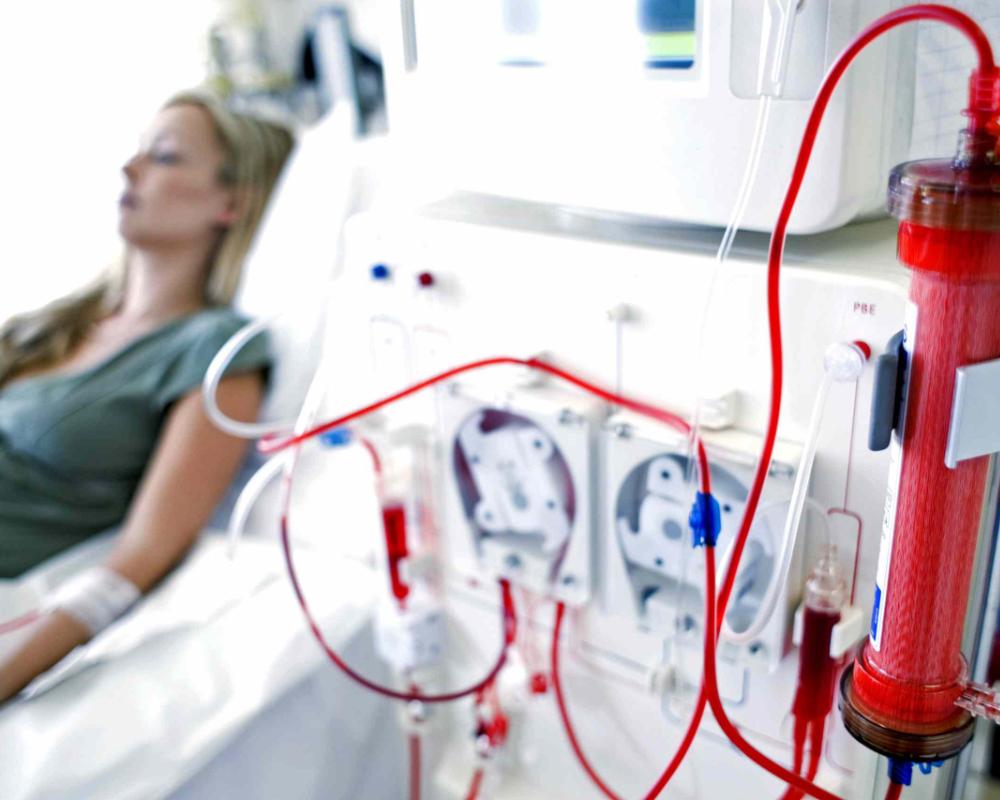
This is the single biggest fear most patients face. For decades, the narrative was binary: dialysis or death. Today, that is simply not true. While dialysis remains a life-saving tool, kidney disease treatment solutions have expanded to include preemptive measures and innovative alternatives.
Conservative Management: For some older adults or those with multiple health conditions, comprehensive medical management without dialysis (conservative care) can offer a better quality of life. This focuses on symptom control—treating anemia, fluid retention, and acidosis—allowing patients to live actively without the grueling schedule of dialysis centers.
Wearable and Portable Tech: We are on the cusp of a revolution with wearable artificial kidneys and portable dialysis machines. These devices are designed to filter blood continuously or nocturnally, mimicking natural kidney function more closely than traditional sessions and allowing for greater freedom.
How Can I Manage the Exhaustion and Itching?
Kidney disease isn't just about numbers; it’s about how you feel every day. Two of the most debilitating symptoms are chronic fatigue and uremic pruritus (severe itching).
Fatigue is often driven by anemia, a condition where damaged kidneys stop producing the hormone needed for red blood cells. Modern erythropoiesis-stimulating agents (ESAs) and intravenous iron therapies are standard nephrology care protocols that can drastically boost energy levels. We don't just accept fatigue as "part of the disease" anymore; we treat it.
For the itching, which comes from an imbalance of minerals like phosphorus, new medications targeting specific itch receptors are changing lives. Dietary adjustments are also powerful here. Working with a renal dietitian to manage phosphorus intake is often the first line of defense, bringing us to the next critical question.
Do I Really Have to Give Up All My Favorite Foods?
The old "renal diet" was notoriously restrictive—bland, boiled, and joyless. Fortunately, nutritional science has advanced. We now emphasize "plant-dominant" diets rather than strict deprivation.
You don't necessarily need to cut out everything. Instead, the focus is on:
-
Smart Protein: Reducing animal protein load to decrease hyperfiltration strain on the kidneys.
-
Potassium Awareness: Not everyone needs to banish bananas. Potassium restrictions are individualized based on your specific blood work.
-
Phosphorus Management: Avoiding inorganic phosphate additives (found in processed foods/sodas) which are far more harmful than natural phosphorus found in nuts or beans.
Proper renal diet planning is a prescription in itself, capable of reducing the toxic load your kidneys must filter.
Is It Too Late to Consider a Transplant?
Many patients assume they are "too old" or "too sick" for a transplant. However, kidney transplant innovation is rewriting the eligibility rules. We are seeing success with ABO-incompatible transplants (where donor and recipient blood types don't match) and paired kidney exchange programs that help you find a match faster.
Furthermore, new immunosuppressive drugs are reducing rejection rates while minimizing side effects. Even if you are already on dialysis, it is rarely "too late" to be evaluated. A transplant remains the gold standard for GFR improvement and long-term survival, offering a lifestyle free from the tether of a dialysis machine.
What Are the Newest Breakthroughs I Should Know About?
The field of nephrology is currently exploding with innovation. Beyond standard medications, we are seeing the rise of:
-
Xenotransplantation: The successful experimentation with genetically modified pig kidneys is bringing us closer to solving the organ shortage crisis.
-
Regenerative Medicine: Stem cell research aims to repair damaged kidney tissue, potentially reversing disease rather than just slowing it.
-
Genetic Therapies: For those with inherited conditions like Polycystic Kidney Disease (PKD), targeted therapies are being developed to silence the specific genes causing cyst growth.
Navigating kidney disease treatment solutions requires a partnership between you and your care team. Don't settle for passive monitoring. Advocate for the latest therapies, ask about clinical trials, and remember that a diagnosis is the starting point of your journey, not the end.