For decades, a diagnosis of Chronic Kidney Disease (CKD) felt like a countdown. Patients often believed that once kidney function began to decline, the path toward dialysis was inevitable. But as a kidney specialist witnessing the rapid evolution of nephrology, I am here to tell you that the landscape has shifted dramatically.
Today, effective treatments chronic kidney disease are no longer just about managing symptoms—they are about slowing, stopping, and in some cases, reversing the drivers of kidney damage. From breakthrough medications to precision lifestyle interventions, we have more tools than ever to protect your kidneys.
If you or a loved one are navigating this journey, you likely have urgent questions. Let’s dive into the science and practical steps that are redefining what it means to live with CKD.
What Are the Latest Medication Breakthroughs for CKD?
The most exciting developments in nephrology over the last few years have been the introduction of drug classes that offer profound protection for the kidneys. We have moved beyond simple blood pressure control to therapies that directly target the mechanisms of kidney injury.
-
SGLT2 Inhibitors: Originally designed for diabetes, drugs like empagliflozin and dapagliflozin have become game-changers for kidney health. Large clinical trials have shown they can significantly reduce the risk of kidney failure and death, even in patients without diabetes. They work by reducing the pressure inside the kidney's filtration units (glomeruli).
-
Non-Steroidal Mineralocorticoid Receptor Antagonists (MRAs): Finerenone is a leading therapy in this class. It blocks overactivation of the mineralocorticoid receptor, which can cause inflammation and scarring (fibrosis) in the kidney. This is particularly vital for patients with type 2 diabetes and CKD.
-
GLP-1 Receptor Agonists: While famous for weight loss, medications like semaglutide are showing promise in protecting kidney function by reducing albuminuria (protein in the urine) and improving cardiovascular health.
How Do Doctors Treat the Underlying Causes of Kidney Disease?
To find the most effective treatments chronic kidney disease, we must act like detectives. We cannot simply treat the kidneys in isolation; we must address the root offenders attacking them.
Diabetes Management
High blood sugar is toxic to the delicate blood vessels in the kidneys. Tight glycemic control is non-negotiable. Beyond insulin and metformin, we now utilize the medications mentioned above to offer dual protection—controlling sugar while shielding the kidney tissue.
Hypertension Control
High blood pressure acts like a power washer against a fragile screen door—eventually, the screen tears. We use ACE inhibitors (like lisinopril) or ARBs (like losartan) as first-line defenses. These drugs relax blood vessels and lower the internal pressure of the kidney, preserving eGFR (estimated Glomerular Filtration Rate) over the long term.
Can Lifestyle Changes Really Slow CKD Progression?
Absolutely. While medication is powerful, your daily habits are the foundation of effective treatments chronic kidney disease. I often tell patients that they are the most important member of their care team.
Expert Note: "You cannot out-medicate a lifestyle that is actively damaging your kidneys. The two must work in harmony."
Key lifestyle pillars include:
-
Smoking Cessation: Nicotine constricts blood vessels, reducing blood flow to the kidneys. Quitting is one of the single most effective actions you can take.
-
Weight Management: Obesity causes hyperfiltration, making the kidneys work harder than necessary. Losing even 5–10% of body weight can reduce this strain.
-
Regular Exercise: You don't need to run marathons. Moderate activity, like brisk walking for 30 minutes a day, helps control blood pressure and improves metabolic health.
What Role Does Diet Play in Effective Kidney Disease Management?
Dietary confusion is a major pain point for patients. The old advice was often overly restrictive and unpalatable. Modern nutritional approaches are more personalized and focus on preserving kidney function while maintaining quality of life.
-
Sodium Restriction: High salt intake defeats the purpose of blood pressure medications. Aiming for less than 2,300 mg (or lower, per your doctor's advice) helps manage fluid retention and pressure.
-
Plant-Based Focus: We are seeing evidence that plant-based diets may be easier on the kidneys than heavy animal-protein diets. Plant proteins produce fewer acidic waste products, which the kidneys must filter.
-
Proteinuria Reduction: For those leaking protein, moderating overall protein intake is crucial to reduce the workload on the nephrons.
Always work with a renal dietitian to navigate the complexities of potassium and phosphorus, as these needs vary greatly depending on your specific stage of CKD.
When Is Dialysis or Transplant Necessary?
Despite our best efforts with effective treatments chronic kidney disease, some patients may progress to End-Stage Kidney Disease (ESKD). However, this is not the end of the road—it is a transition to replacement therapy.
-
Kidney Transplant: This remains the gold standard for survival and quality of life. Preemptive transplantation (getting a transplant before needing dialysis) is the ideal goal we strive for.
-
Dialysis Options: Modern dialysis is not "one size fits all." Peritoneal dialysis allows patients to treat themselves at home while sleeping, offering more freedom than traditional in-center hemodialysis.
-
Conservative Management: For some older patients or those with multiple comorbidities, medical management without dialysis is a valid, compassionate choice that prioritizes symptom control and quality of life.
Why Is Early Detection Critical for Effective Treatment?
The tragedy of kidney disease is its silence. You can lose up to 90% of kidney function before feeling "sick." This is why early detection is the most critical factor in treatment success.
We rely on two simple tests:
-
eGFR Blood Test: Measures how well your kidneys filter waste.
-
uACR Urine Test: Checks for albumin (protein), an early sign of kidney damage.
Finding CKD in Stage 1, 2, or 3 allows us to deploy these new, effective therapies to stop progression. If we wait until Stage 4 or 5, our toolkit becomes more limited. If you have risk factors like hypertension, diabetes, or a family history, demand these tests annually.
Summary The era of "watch and wait" is over. With powerful SGLT2 inhibitors, targeted nutritional strategies, and proactive management of underlying causes, effective treatments chronic kidney disease are saving lives and preserving function longer than ever before. The key is to be proactive, ask questions, and partner with a nephrologist early.
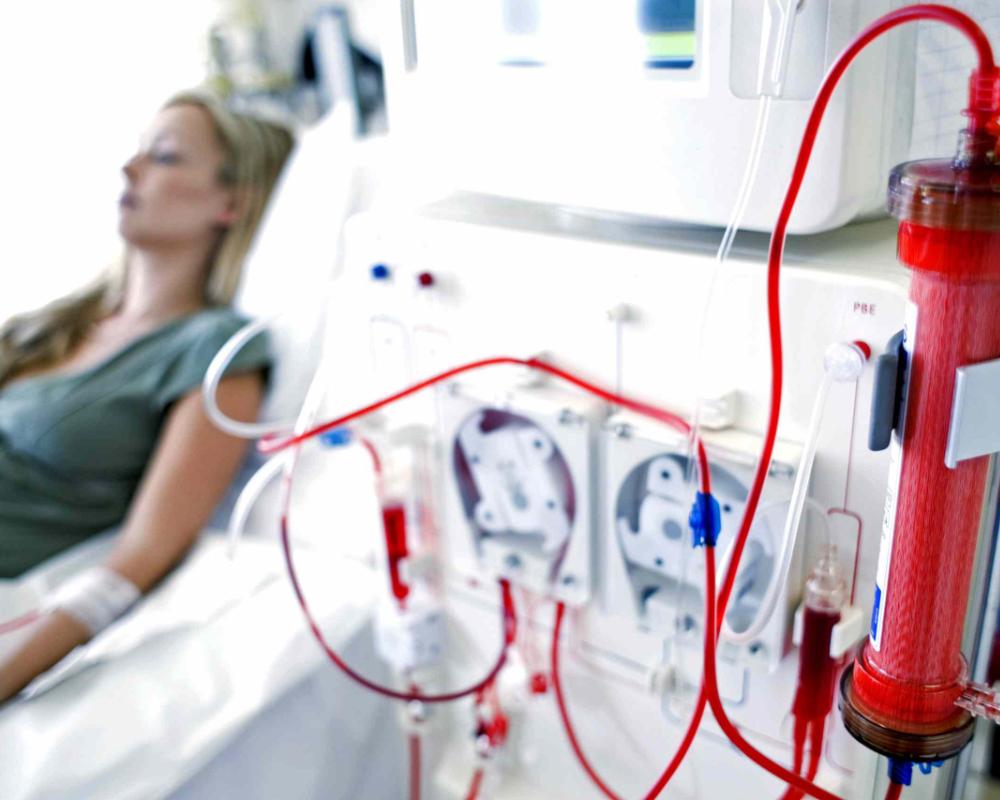
Are you tired of living under the shadow of kidney disease? Are you yearning for a life free from the shackles of dialysis, kidney failure, and the looming threat of kidney transplants? If so, you're in the right place at the right time. Imagine waking up every morning with boundless energy, feeling rejuvenated and ready to take on the day. Envision a life where your kidneys are functioning optimally, and you no longer dread the burdensome routines of dialysis sessions. The Kidney Disease Solution Program is here to turn that vision into reality for you.