
Receiving a diagnosis of a long-term health condition can be overwhelming, but as an expert in renal health, I want to reassure you that a diagnosis is not a dead end. It is a starting point for a proactive journey. When you learn how to manage chronic kidney disease (CKD) effectively, you gain the power to protect your vital organs, delay the need for intensive treatments, and maintain a high quality of life.
The kidneys are remarkable filters, but they are sensitive. In this guide, we will explore the clinical and lifestyle strategies necessary to navigate the complexities of kidney health with confidence.
What are the first steps to manage chronic kidney disease after a diagnosis?
The most critical first step is "knowing your numbers." To manage chronic kidney disease, you must understand your estimated glomerular filtration rate (eGFR) and your urinary albumin-to-creatinine ratio (uACR). Your eGFR tells us how well your kidneys are filtering waste from your blood, which helps determine your CKD stage (from stage 1 to stage 5). Meanwhile, the uACR measures albuminuria, or the amount of protein leaking into your urine—a key indicator of kidney damage.
Once these baselines are established, it is essential to form a partnership with a nephrologist. This specialist will monitor your creatinine levels and electrolyte balance to ensure your treatment plan is tailored to your specific needs. Early intervention is the most effective way to protect your remaining kidney function.
How can I slow down the progression of kidney disease naturally?
Slowing the progression is the "holy grail" of renal care. The two most significant drivers of kidney damage are high blood pressure (hypertension) and high blood sugar (diabetes). To effectively manage chronic kidney disease, you must keep your blood pressure at or below 130/80 mmHg. Consistent monitoring at home is highly recommended.
Furthermore, if you have diabetes, maintaining an A1C level near 7% is vital. High glucose levels act like "sand in the gears" of your kidneys' delicate filtration units. Beyond clinical metrics, lifestyle changes such as quitting smoking and engaging in regular, moderate cardiovascular exercise can significantly reduce the strain on your heart and kidneys.
What is the best diet to manage chronic kidney disease stage by stage?
Nutrition is one of the most powerful tools in your toolkit. However, a "one-size-fits-all" approach does not work here. In the early stages, the goal is often to manage chronic kidney disease by reducing sodium intake to under 2,000 mg per day to control fluid retention and blood pressure.
As the disease progresses to Stage 3 or Stage 4, your nephrologist or a renal dietitian may recommend:
-
Protein Adjustment: Reducing animal protein to lower the "workload" on the kidneys.
-
Potassium Monitoring: Avoiding high-potassium foods (like bananas and potatoes) if your blood levels become elevated.
-
Phosphorus Control: Avoiding processed foods with phosphorus additives, which can weaken bones and damage blood vessels.
What medications are safe (and unsafe) when trying to manage chronic kidney disease?
Medication management is a double-edged sword. To protect your kidneys, doctors often prescribe ACE inhibitors or ARBs, which are blood pressure medications that have a "kidney-protective" effect. Newer medications like SGLT2 inhibitors have also shown remarkable success in slowing CKD progression.
However, you must be vigilant about "nephrotoxins." Common over-the-counter pain relievers known as NSAIDs (such as ibuprofen and naproxen) can be dangerous for people trying to manage chronic kidney disease, as they reduce blood flow to the kidneys. Always consult your medical team before starting any new supplement or herbal remedy.
When will I need to discuss dialysis or a kidney transplant?
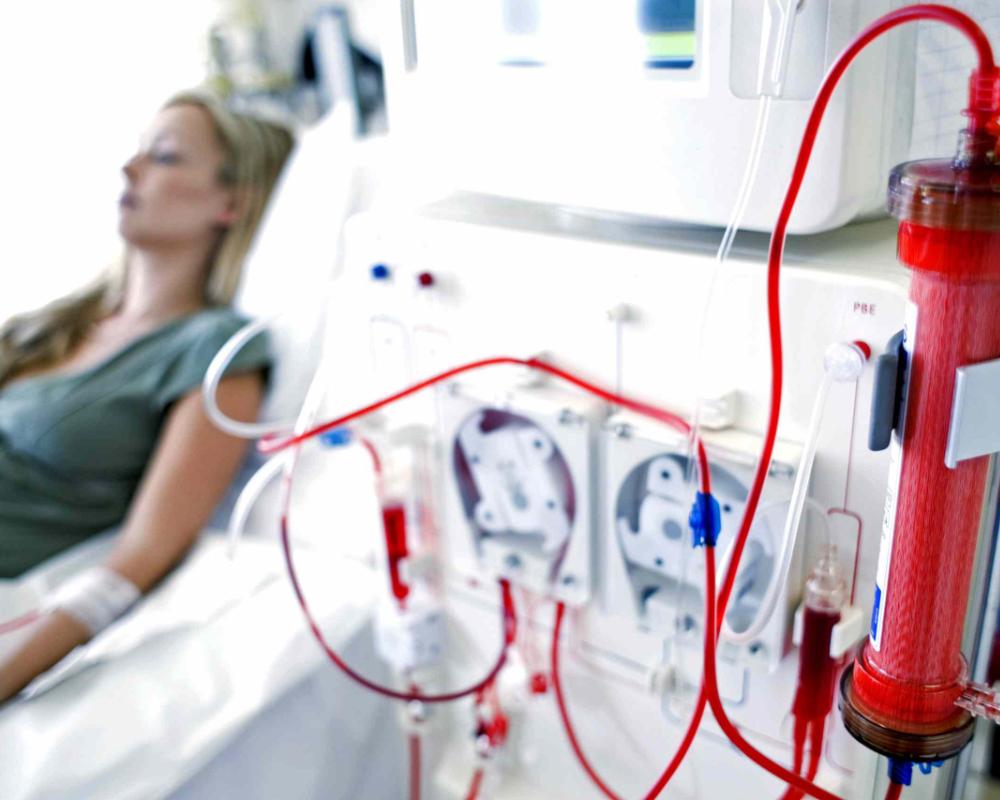
While our goal is to prevent reaching kidney failure, preparation is a form of empowerment. If your eGFR drops below 20, it is time to have a transparent conversation about kidney replacement therapy. This includes discussing hemodialysis, peritoneal dialysis, or the gold standard of care: a kidney transplant.
By discussing these options early, you can make informed decisions about your future, such as finding a living donor or preparing for a fistula, rather than making emergency decisions during a health crisis.