
Receiving a diagnosis of Chronic Kidney Disease (CKD) can feel like navigating an overwhelming storm. As a specialist in nephrology, I have spent years helping patients move from fear to empowerment. The most critical thing to understand is that while the kidneys may be damaged, your story is far from over. Modern ckd kidney function treatment has entered a revolutionary era where we have more tools than ever to preserve your health and delay the need for intensive therapies.
How Can I Improve My CKD Kidney Function Treatment Outcomes Naturally?
Many patients ask if they can support their medical regimen through lifestyle alone. The answer is a resounding yes. Improving your ckd kidney function treatment outcomes starts with what you put on your plate and how you move your body.
A "kidney-friendly diet" isn't just a buzzword; it is a clinical intervention. In early stages, we focus on reducing sodium (salt) to manage hypertension, as high blood pressure is a primary driver of kidney damage. As the disease progresses, your nephrologist may advise limiting phosphorus and potassium, which the kidneys can no longer filter efficiently.
-
-
Weight Management: Maintaining a healthy BMI reduces the metabolic load on your kidneys.
-
Hydration: While "drink more water" is common advice, for those in advanced stages, fluid restriction may actually be necessary to prevent edema (swelling).
-
Physical Activity: 150 minutes of moderate exercise per week helps stabilize blood sugar and cardiovascular health.
-
Can Chronic Kidney Disease Be Reversed or Cured?
This is perhaps the most painful point of inquiry for many. To be intellectually honest: once nephrons (the filtering units of the kidney) are scarred, they do not typically regenerate. Therefore, "curing" CKD in the sense of returning to 100% function is generally not possible.
However, the goal of ckd kidney function treatment is to achieve "clinical stability." We aim to stop the decline. In some cases, if the damage was caused by an acute injury or a reversible condition like an infection or a specific medication (nephrotoxins like NSAIDs), we can see a significant rebound in your estimated Glomerular Filtration Rate (eGFR). For the majority, "success" means staying in your current stage for decades rather than progressing to end-stage kidney disease (ESKD).
What Are the Most Effective Medications for CKD Kidney Function Treatment Today?
We are currently in a "triple wave" of pharmacological breakthroughs. For decades, our only defense was Renin-Angiotensin System (RAS) blockade using ACE inhibitors or ARBs. These remain foundational for managing proteinuria (protein in the urine).
The second wave brought SGLT2 inhibitors. Originally designed for diabetes, these drugs have proven to be "kidney-protective" even for non-diabetic patients, significantly slowing the rate of decline. The third, most recent wave includes non-steroidal mineralocorticoid receptor antagonists (MRAs) like finerenone and GLP-1 receptor agonists, which offer additional layers of protection against inflammation and fibrosis.
How Do I Slow the Progression of Kidney Damage?
Beyond medication, slowing the progression of CKD requires a proactive "defense" strategy.
-
Strict Blood Pressure Control: Aiming for a target (often 130/80 or lower) prevents the delicate vessels in the kidneys from bursting under pressure.
-
Blood Sugar Management: For those with diabetic kidney disease, keeping A1c levels in check is non-negotiable.
-
Avoiding Nephrotoxins: Common over-the-counter painkillers like ibuprofen or naproxen can be "kidney killers." Always consult your doctor before taking new supplements or anti-inflammatories.
-
Monitoring Albuminuria: High levels of protein in the urine are a "fire alarm" for the kidneys. Effective ckd kidney function treatment aims to douse this fire early.
What Are My Options If My CKD Kidney Function Treatment Fails?
If the eGFR drops below 15, we begin discussing Kidney Replacement Therapy (KRT). It is important to remember that this is not an "end," but a transition in how we manage your health.
-
Kidney Transplant: Often considered the "gold standard" of treatment, a transplant offers the best quality of life. We now advocate for "pre-emptive" transplants, where a patient receives a kidney before they ever need to start dialysis.
-
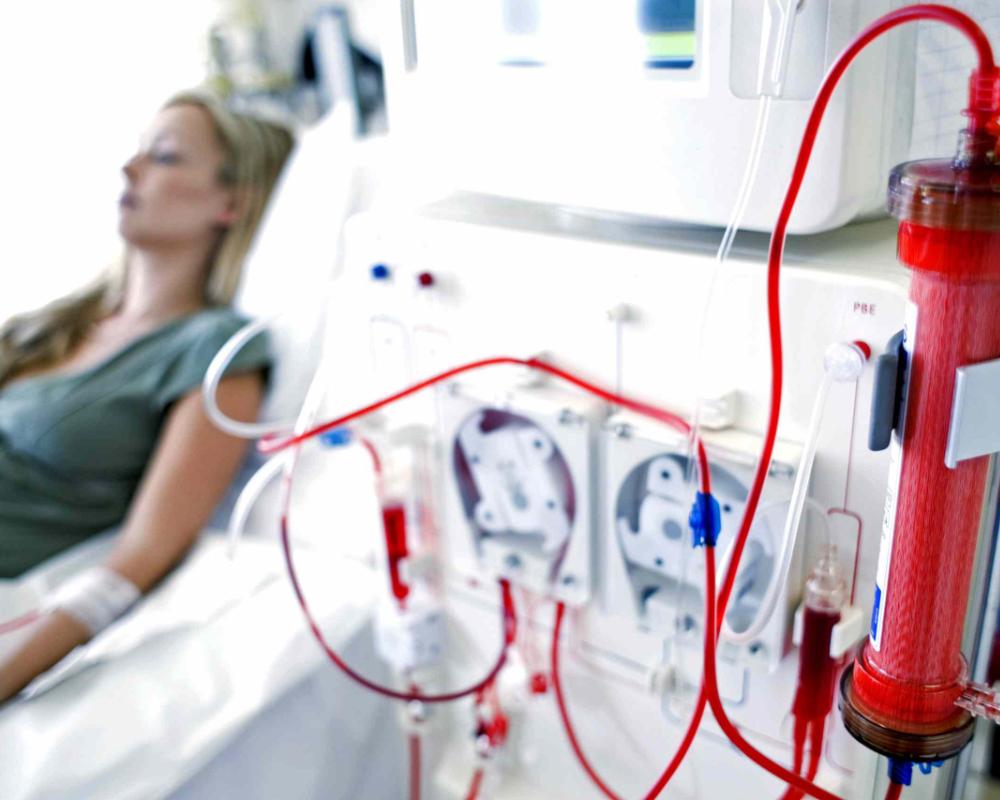
Dialysis: There are two main types. Hemodialysis uses a machine to filter your blood (usually at a center), while Peritoneal Dialysis uses the lining of your abdomen as a filter and can often be done at home while you sleep.
-
Comprehensive Conservative Care: For some, the focus shifts entirely to symptom management and quality of life without the use of dialysis.
Next Steps for You
Managing your kidney health is a marathon, not a sprint. Would you like me to help you create a list of specific questions to take to your next nephrology appointment?