
Receiving a diagnosis related to your kidney health can feel overwhelming, but understanding your options for chronic renal failure treatment is the first step toward taking control of your future. Chronic kidney disease (CKD) is a progressive condition, yet with the right medical interventions and lifestyle adjustments, many individuals can significantly slow the decline of their kidney function and maintain a high quality of life.
The landscape of chronic renal failure treatment has evolved rapidly. From precision medicine to innovative wearable technologies, patients now have more tools than ever to manage their condition. This guide explores the most effective strategies for preserving renal health and navigating the complexities of modern care.
Can Chronic Renal Failure Treatment Reverse Kidney Damage?
One of the most frequent concerns for patients is whether their kidney damage can be undone. While the structural scarring associated with chronic renal failure is generally considered permanent, the primary goal of chronic renal failure treatment is to preserve the remaining "residual kidney function."
Success is often measured by the Glomerular Filtration Rate (GFR). A healthy GFR is typically above $90\text{ mL/min/1.73 m}^2$. If your levels have dropped, your nephrologist will focus on stabilizing these numbers to prevent progression to End-Stage Renal Disease (ESRD). Through aggressive management of underlying causes—such as hypertension and diabetes—it is possible to "pause" the clock on kidney decline.
How is Chronic Renal Failure Treated Without Dialysis?
Many patients hope to delay or avoid the need for renal replacement therapy. Fortunately, chronic renal failure treatment without dialysis has become increasingly sophisticated.
- SGLT2 Inhibitors: Medications like dapagliflozin and empagliflozin, originally developed for diabetes, are now standard cornerstones of chronic renal failure treatment for their ability to protect the delicate filters of the kidney.
- Blood Pressure Control: Managing systemic pressure is vital. Doctors frequently prescribe ACE inhibitors or angiotensin II receptor blockers (ARBs) to reduce the workload on the kidneys.
- Anemia Management: When kidneys fail, they produce less erythropoietin, leading to fatigue. Supplemental injections or new oral medications can help maintain healthy red blood cell counts.
- Mineral Balance: To prevent bone disease, patients may use phosphate binders to keep phosphorus levels in check.
What Lifestyle Changes are Necessary for Effective Chronic Renal Failure Treatment?
Your daily habits are just as important as your prescriptions. A specialized renal diet is often the most impactful lifestyle change you can make.
Key Dietary Pillars:
- Sodium Reduction: Keeping salt intake under 2,300 mg per day helps control blood pressure and reduces fluid retention (edema).
- Potassium and Phosphorus Monitoring: As kidney function declines, these minerals can build up to dangerous levels. You may need to limit high-potassium foods like bananas and potatoes.
- Protein Moderation: While protein is essential, excessive amounts create nitrogenous waste that the kidneys struggle to clear. Your dietitian may recommend high-quality, plant-based proteins to ease the burden.
Are There New Chronic Renal Failure Treatment Options?
The year 2026 has brought exciting breakthroughs in the field of nephrology. Researchers are moving closer to making "artificial kidneys" a reality.
- Implantable Dialysis Systems: New FDA-designated breakthrough devices are being tested that function like a biological kidney, potentially eliminating the need for traditional clinic-based hemodialysis.
- Smarter Transplants: New immunosuppressant protocols under review this year aim to reduce the risk of organ rejection, making kidney transplant outcomes more successful and long-lasting than ever before.
- HIF-PH Inhibitors: These newer oral treatments for anemia are replacing older injection-based therapies, offering patients more freedom and fewer side effects.
When is Dialysis or a Transplant the Only Option?
If the GFR falls below $15\text{ mL/min/1.73 m}^2$, the condition is classified as kidney failure. At this stage, chronic renal failure treatment must transition to replacing the kidney's filtration work.
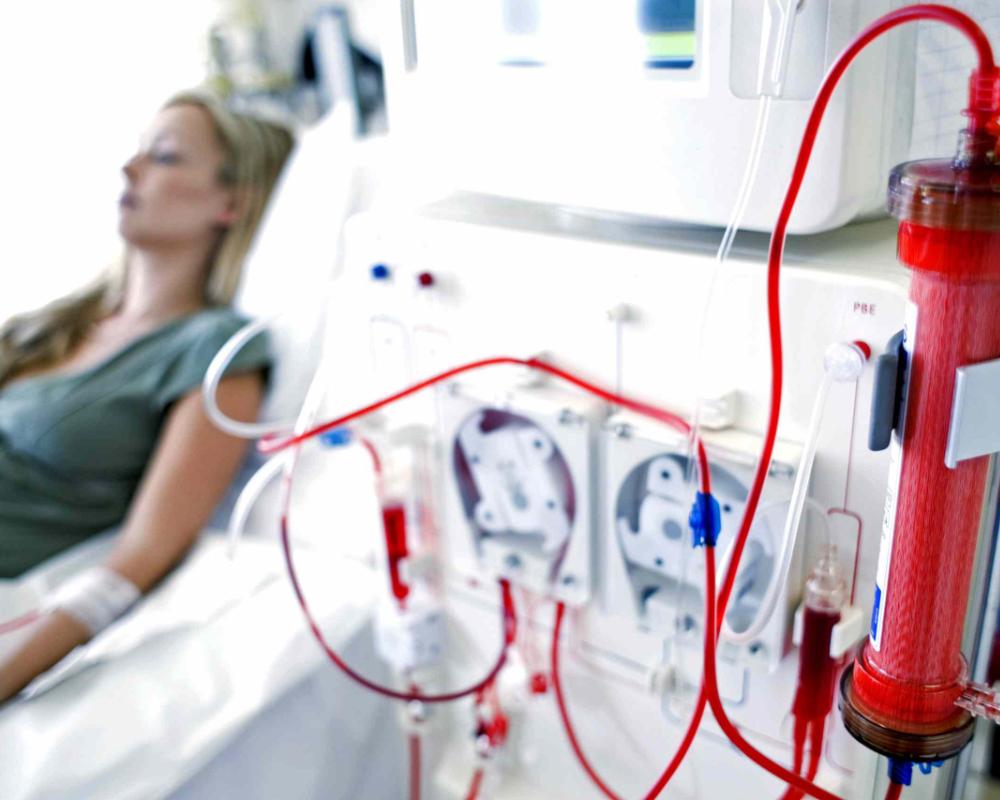
- Hemodialysis: Uses a machine to filter blood, usually performed in a center three times a week.
- Peritoneal Dialysis: A home-based option that uses the lining of your abdomen to filter waste, offering more flexibility for active individuals.
- Preemptive Transplant: For those who qualify, receiving a transplant before starting dialysis often leads to the best long-term health outcomes.
Are you tired of living under the shadow of kidney disease? Are you yearning for a life free from the shackles of dialysis, kidney failure, and the looming threat of kidney transplants? If so, you're in the right place at the right time. Imagine waking up every morning with boundless energy, feeling rejuvenated and ready to take on the day. Envision a life where your kidneys are functioning optimally, and you no longer dread the burdensome routines of dialysis sessions.