
When you or a loved one is diagnosed with a renal condition, the road ahead can feel overwhelming. Understanding each chronic kidney disease medical procedure is the first step toward regaining a sense of control over your health. From initial diagnostic tests to life-sustaining treatments, modern medicine offers a range of interventions designed to manage kidney function and improve quality of life.
What Medical Procedures Are Used to Diagnose Chronic Kidney Disease?
The journey often begins with a series of diagnostic assessments. A nephrologist—a doctor specializing in kidney health—will typically start with non-invasive tests like blood and urine analysis. These help determine your glomerular filtration rate (GFR), which measures how well your kidneys filter waste, and check for albuminuria, a condition where excess protein leaks into the urine.
However, to get a definitive look at the underlying cause of damage, a specific chronic kidney disease medical procedure known as a kidney biopsy (or renal biopsy) may be required. During this procedure, a thin needle is used to remove a tiny sample of kidney tissue for microscopic examination. This helps the medical team identify inflammation, scarring, or specific diseases like glomerulonephritis that might be driving the renal failure.
What Medical Procedures Are Needed for Stage 5 Kidney Failure?
When the disease progresses to Stage 5, also known as end-stage renal disease (ESRD), the kidneys can no longer support the body’s needs. At this point, a life-sustaining chronic kidney disease medical procedure becomes necessary.
The two primary forms of renal replacement therapy are:
-
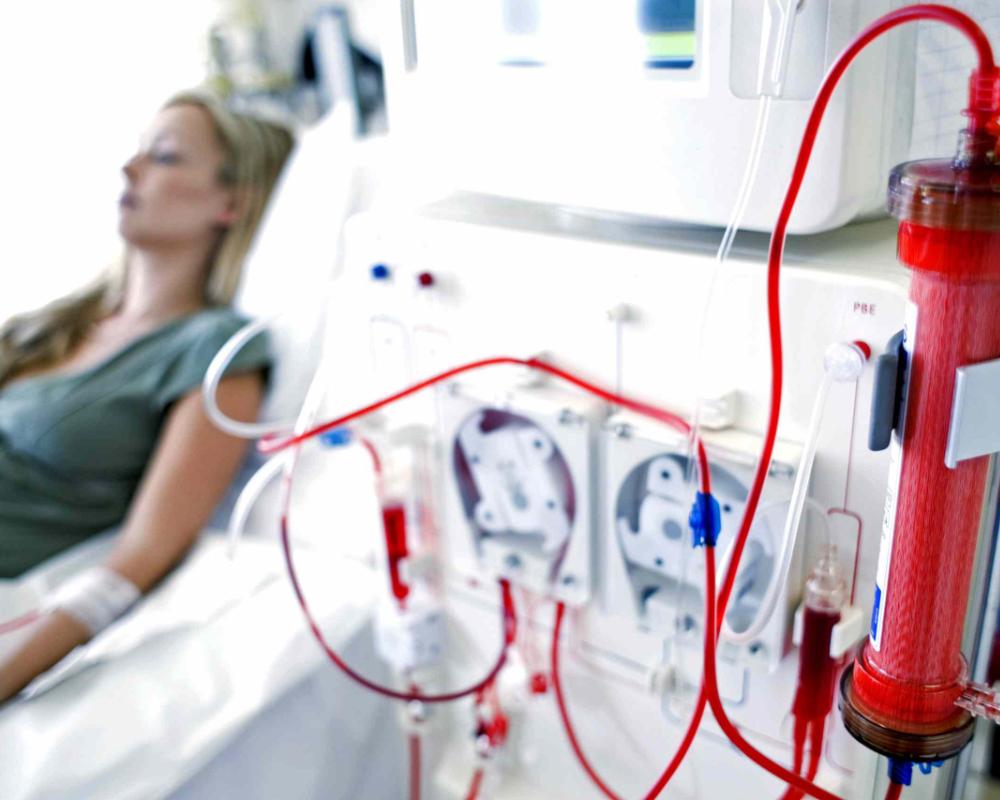
Hemodialysis: This involves using a machine (an artificial kidney) to filter toxins and excess fluid from your blood. To facilitate this, a surgeon must first perform a minor vascular access procedure, such as creating an arteriovenous (AV) fistula or placing a synthetic graft, usually in the arm.
-
Peritoneal Dialysis: This is a home-based chronic kidney disease medical procedure where the lining of your own abdomen acts as a filter. A small, soft tube called a catheter is surgically placed in the abdomen to allow cleansing fluid to flow in and out.
How Does a Kidney Transplant Procedure Work as a Treatment?
For many, the most effective chronic kidney disease medical procedure is a kidney transplant. This surgical intervention involves placing a healthy kidney from a living or deceased donor into the patient's body. While it is not a "cure" in the traditional sense—as you will still require lifelong anti-rejection medication to prevent the body from attacking the new organ—it often offers a much higher quality of life and greater independence than long-term dialysis.
The surgery typically takes three to four hours. The new kidney is placed in the lower abdomen, and its blood vessels are attached to the patient's existing vessels. In most cases, the original non-functioning kidneys are left in place unless they are causing complications like infection or high blood pressure.
What Should I Expect During a Kidney Biopsy Procedure?
If your doctor recommends a kidney biopsy as your primary chronic kidney disease medical procedure for diagnosis, you might feel anxious about the process. Most biopsies are "percutaneous," meaning they are performed through the skin using ultrasound or CT guidance to ensure precision.
You will typically receive a local anesthetic to numb the area and perhaps a sedative to help you relax. While you may feel some pressure or a "pop" when the sample is taken, the procedure is generally quick, lasting about an hour. Afterward, you’ll be monitored for a few hours to ensure there is no significant internal bleeding before being allowed to recover at home.