
Understanding eGFR: What Does Your Filtration Rate Actually Mean?
Estimated Glomerular Filtration Rate (eGFR) measures how many milliliters of blood your kidneys' filtering units (glomeruli) clear of waste per minute, adjusted for standard body surface area ($1.73\text{ m}^2$). Instead of measuring filtration directly—which requires invasive intravenous dye procedures—clinicians calculate eGFR using blood biomarkers, primarily serum creatinine and cystatin C.
The standard mathematical model used across modern accredited laboratories is the 2021 CKD-EPI (Chronic Kidney Disease Epidemiology Collaboration) creatinine equation. This updated model calculates filtration without race variables, providing an unbiased assessment across diverse populations.
According to the National Institute of Diabetes and Digestive and Kidney Diseases (NIDDK), an eGFR of 90 or higher represents normal baseline kidney function in young adults, provided no structural kidney damage (such as proteinuria or polycystic kidney disease) is present.
       Normal            Mild Drop        Stage 3 CKD       Severe Loss        Kidney Failure
[  eGFR 90-120+  ] --> [  eGFR 60-89  ] --> [  eGFR 30-59  ] --> [  eGFR 15-29  ] --> [  eGFR < 15  ]
 (Healthy Function)    (Monitor/Age-Rel)    (Clinical Action)    (Nephrology Ref)    (Dialysis/Transplant)
Clinical Ranges: When Should You Worry About eGFR?
Determining when to worry about eGFR depends on where your specific number falls within the clinical stages established by the Kidney Disease: Improving Global Outcomes (KDIGO) Guidelines.
| CKD Stage | eGFR Range (mL/min/1.73m2) | Clinical Classification | Clinical Action & Concern Level |
| Stage 1 | $\ge 90$ | Normal or High (with kidney damage) | Low: Observe if protein is in urine; manage blood pressure. |
| Stage 2 | $60 - 89$ | Mildly Decreased | Low-Moderate: Normal in older adults; recheck annually. |
| Stage 3a | $45 - 54$ | Mildly to Moderately Decreased | Moderate: Evaluate for CKD causes; slow progression. |
| Stage 3b | $30 - 44$ | Moderately to Severely Decreased | High: Adjust medications; direct management with GP/Nephrologist. |
| Stage 4 | $15 - 29$ | Severely Decreased | Very High: Immediate nephrology referral; plan for renal replacement. |
| Stage 5 | $< 15$ | Kidney Failure (End-Stage Renal Disease) | Critical: Dialysis or kidney transplantation required. |
The "60 Rule": The Diagnostic Turning Point
In clinical practice, the primary threshold of concern is an eGFR consistently below 60. When filtration rates drop under $60\text{ mL/min/1.73m}^2$, your kidneys have lost approximately 30% to 40% of their functional capacity. At this stage, waste products such as blood urea nitrogen (BUN) and excess electrolytes begin accumulating in the bloodstream, increasing cardiovascular risk.
Isolated Drops vs. Sustained Trends: Why One Reading Isn't Enough
A single abnormal blood test is not a definitive diagnosis of Chronic Kidney Disease. Clinicians define CKD as abnormalities of kidney structure or function present for more than 3 months.
[  Lab Test 1: eGFR 54  ] --(Recheck in 2-4 Weeks)--> [  Lab Test 2: eGFR 68 (Dehydration Resolved)  ]
                          --(Sustained > 90 Days)--> [  Lab Test 3: eGFR 52 (Confirmed Stage 3a CKD) ]
Acute Factors That Temporarily Suppress eGFR
Research indexed by the National Center for Biotechnology Information (NCBI/PubMed) demonstrates that non-renal variables can cause temporary drops in eGFR:
-
Dehydration: Reduced intravascular volume decreases renal blood flow, temporarily raising serum creatinine and artificially depressing eGFR.
-
High-Protein Meals & Dietary Supplements: Consuming cooked red meat or creatine supplements shortly before blood draws elevates serum creatinine levels independently of kidney filtration.
-
Medications: Over-the-counter Non-Steroidal Anti-Inflammatory Drugs (NSAIDs like ibuprofen and naproxen) constrict the afferent renal arterioles, reducing filtration pressure. ACE inhibitors and ARBs can also cause an initial, expected $10\%-20\%$ drop in eGFR when started.
-
Strenuous Exercise: Heavy resistance training causes temporary muscle breakdown, raising serum creatinine without reflecting underlying renal damage.
If your eGFR drops unexpectedly, your healthcare provider will typically order a repeat metabolic panel in 2 to 4 weeks alongside a Cystatin C test—a biomarker unaffected by muscle mass or diet—to confirm true baseline function.
Age-Related eGFR Decline: What Is Normal Aging?
It is medically normal for kidney function to decline as part of the natural aging process. Starting around age 40, nephron mass gradually decreases, causing eGFR to decline by roughly 0.75 to 1 mL/min/1.73m² per year.
According to epidemiological data from the Centers for Disease Control and Prevention (CDC):
-
Ages 20–29: Average eGFR is approximately 116 mL/min/1.73m²
-
Ages 50–59: Average eGFR is approximately 93 mL/min/1.73m²
-
Ages 70+: Average eGFR is approximately 75 mL/min/1.73m²
An individual in their mid-70s with an eGFR of 58 and no protein in their urine may have age-related renal senescing rather than progressive kidney disease. Conversely, an eGFR of 62 in a 25-year-old warrants immediate medical investigation.
Warning Signs & Physical Symptoms of Low eGFR
In Stages 1 through 3a, kidney disease is almost entirely asymptomatic—often called a "silent disease." Physical symptoms generally do not manifest until eGFR drops below 45 or 30 (Stages 3b and 4).
[ Stage 1-3a: eGFR 45-90+ ] -------------> Asymptomatic (Detected via Routine Blood/Urine Tests)
[ Stage 3b-4: eGFR 15-44  ] -------------> Mild-to-Moderate Symptoms (Edema, Fatigue, Nocturia)
[ Stage 5:    eGFR < 15   ] -------------> Severe Uremic Symptoms (Nausea, Pruritus, Dyspnea)
Seek prompt medical evaluation if a low eGFR reading is accompanied by any of the following symptoms:
-
Peripheral Edema: Persistent swelling in the feet, ankles, legs, or face caused by sodium and fluid retention.
-
Changes in Urination: Increased frequency at night (nocturia), foamy or bubbly urine (indicating albuminuria), or dark, tea-colored urine.
-
Systemic Fatigue & Brain Fog: Decreased erythropoietin production by damaged kidneys leads to renal anemia.
-
Persistent Pruritus & Muscle Cramps: Electrolyte imbalances (high phosphorus, low calcium) cause severe skin itching and involuntary muscle contractions.
-
Shortness of Breath (Dyspnea): Fluid accumulation in the lungs (pulmonary congestion) or severe metabolic acidosis.
Diagnostic Next Steps: Key Tests Beyond eGFR
Evaluating kidney health requires a comprehensive renal panel rather than relying on eGFR alone.
1. Urine Albumin-to-Creatinine Ratio (uACR)
While eGFR measures filtration speed, uACR measures filter integrity. Healthy glomeruli prevent large protein molecules like albumin from passing into urine.
-
Normal uACR: Less than $30\text{ mg/g}$
-
Microalbuminuria: $30\text{ to }300\text{ mg/g}$ (Early sign of vascular kidney damage)
-
Macroalbuminuria: Greater than $300\text{ mg/g}$ (High risk for rapid CKD progression)
2. Serum Cystatin C Test
Cystatin C is a protein produced by all nucleated cells at a constant rate. Because it is independent of muscle mass, age, and diet, a combined eGFR-cr-cys calculation provides a far more accurate representation of true filtration rate in frail, elderly, or highly muscular individuals.
3. Renal Ultrasound
A non-invasive imaging scan that evaluates kidney size, cortical thickness, structural symmetry, and checks for physical obstructions such as kidney stones, cysts, or hydronephrosis.
Evidence-Based Strategies to Stabilize eGFR and Slow Decline
While structural kidney scarring (glomerulosclerosis) cannot be reversed, clinical interventions can slow or halt further decline in functional nephrons.
+-----------------------------------------------------------------------------------+
|                           eGFR PRESERVATION STRATEGIES                             |
+-----------------------------------------------------------------------------------+
| 1. Blood Pressure Management (< 120/80 mmHg using ACEi/ARBs)                      |
| 2. Glycemic Control (HbA1c target < 7.0% via SGLT2 Inhibitors)                    |
| 3. Dietary Adjustments (Sodium < 2,000 mg/day, Moderate Protein Intake)            |
| 4. Nephrotoxin Avoidance (Stop NSAIDs, Limit Contrast Dyes)                       |
+-----------------------------------------------------------------------------------+
1. Strict Blood Pressure Control
Hypertension damages the delicate glomerular capillary beds. Guidelines from the American Heart Association (AHA) recommend maintaining blood pressure below 120/80 mmHg for patients with kidney disease.
-
First-Line Medications: ACE inhibitors (e.g., lisinopril) or ARBs (e.g., losartan) dilate the efferent renal arteriole, reducing intraglomerular pressure and lowering proteinuria.
2. Utilize Modern Cardiorenal Therapies
-
SGLT2 Inhibitors: Originally developed for type 2 diabetes, medications like dapagliflozin and empagliflozin have revolutionized nephrology. Clinical trials show they reduce intraglomerular pressure, slowing CKD progression and reducing mortality in both diabetic and non-diabetic kidney disease.
-
Non-Steroidal Mineralocorticoid Receptor Antagonists (nsMRAs): Agents like finerenone significantly reduce inflammation and fibrosis in patients with diabetic kidney disease.
3. Dietary Modifications
Work with a renal dietitian to tailor nutrition based on your eGFR stage:
-
Sodium Reduction: Limit dietary sodium to less than 2,000 mg per day to control fluid retention and blood pressure.
-
Protein Optimization: High protein intake forces hyperfiltration in remaining nephrons. In Stages 3–5, guidelines suggest limiting daily protein intake to 0.6 to 0.8 grams per kilogram of body weight.
-
Potassium & Phosphorus Management: As eGFR drops below 30, monitor high-potassium foods (bananas, potatoes) and processed foods rich in inorganic phosphate additives.
4. Eliminate Nephrotoxic Exposures
-
Avoid Over-the-Counter NSAIDs: Use acetaminophen (Tylenol) for pain management instead of ibuprofen, naproxen, or high-dose aspirin.
-
Hydrate Intentionally: Drink 1.5 to 2 liters of fluid daily unless restricted by a doctor due to advanced heart failure or Stage 4-5 CKD.
-
Contrast Dye Caution: Inform radiologists of your low eGFR before undergoing CT scans requiring iodinated contrast media.
When to Consult a Specialist: Nephrology Referral Criteria
Primary care providers handle early Stage 1–3a eGFR management. However, clinical guidelines from the American Society of Nephrology (ASN) recommend formal nephrology referral under the following circumstances:
-
eGFR drops below 30 mL/min/1.73m² (Stage 4 or 5 CKD).
-
Rapid eGFR Decline: A drop of more than 5 mL/min/1.73m² per year or a sustained $25\%$ decline in baseline filtration.
-
Severe Proteinuria: uACR exceeding $300\text{ mg/g}$ despite optimized blood pressure treatment.
-
Uncontrolled Hypertension: Blood pressure remaining above target despite using 3 or more anti-hypertensive medications.
-
Unexplained Complications: Development of refractory anemia, hyperkalemia, elevated serum phosphorus, or recurrent kidney stones.
Frequently Asked Questions
Can eGFR return to normal after dropping?
Yes, eGFR can improve if the drop was caused by an Acute Kidney Injury (AKI) or temporary reversible factors such as severe dehydration, urinary tract obstruction, or drug toxicity. However, if the decline is due to long-standing chronic conditions like hypertension or diabetes, lost functional nephrons cannot regenerate. In these cases, treatment focuses on stabilizing remaining filtration function.
What is the difference between eGFR and creatinine?
Serum creatinine is a chemical waste product generated by normal muscle breakdown. eGFR is a calculated estimation of filtration rate derived from your creatinine level, taking into account variables like age and sex. Because creatinine levels are influenced by muscle mass and diet, eGFR provides a more standardized evaluation of actual kidney function.
How quickly does eGFR drop in Stage 3 CKD?
Without management, kidney function in progressive CKD can decline by 2 to 5 mL/min/1.73m² annually. However, with appropriate blood pressure control, glycemic management, ACEi/ARB therapy, and SGLT2 inhibitors, many individuals with Stage 3 CKD remain stable for decades without ever progressing to kidney failure.
Should I stop exercising if my eGFR is low?
No. Regular moderate aerobic exercise (such as walking, cycling, or swimming) lowers blood pressure, improves insulin sensitivity, and supports cardiovascular health—all of which protect kidney function. Avoid extreme endurance events or excessive heavy lifting immediately before a blood test, as intense muscle breakdown can temporarily distort creatinine and eGFR results.
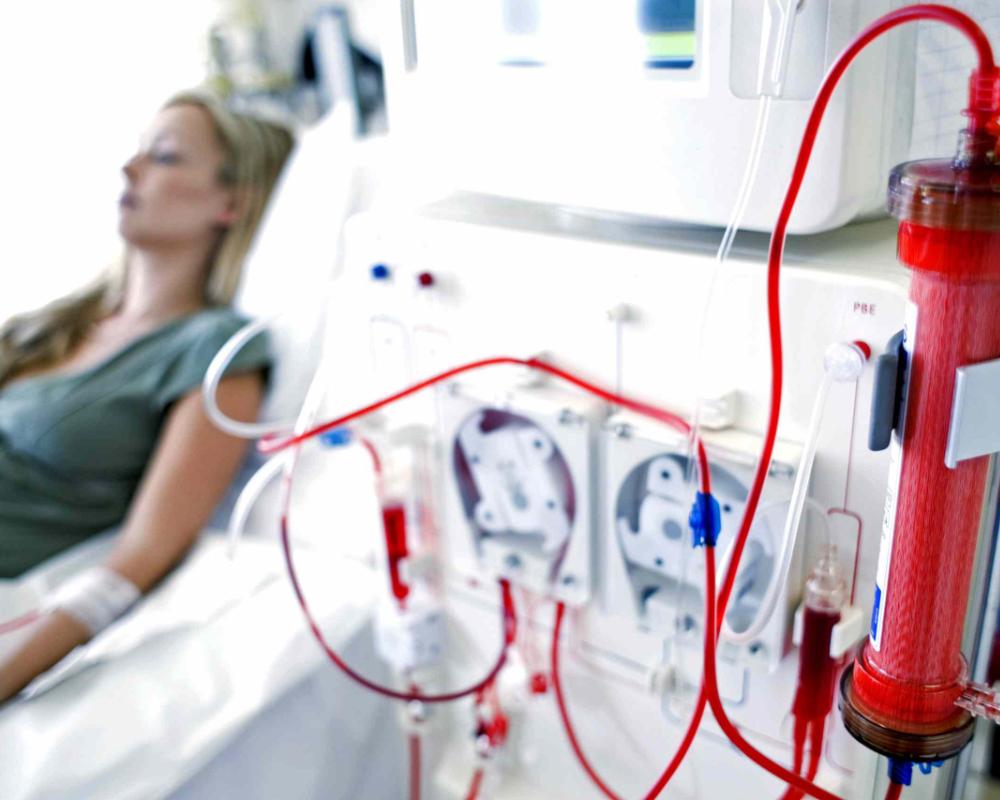
Are you tired of living under the shadow of kidney disease? Are you yearning for a life free from the shackles of dialysis, kidney failure, and the looming threat of kidney transplants? If so, you're in the right place at the right time. Imagine waking up every morning with boundless energy, feeling rejuvenated and ready to take on the day. Envision a life where your kidneys are functioning optimally, and you no longer dread the burdensome routines of dialysis sessions. The Kidney Disease Solution Program is here to turn that vision into reality for you.