When dealing with a chronic illness, the primary focus is naturally on major organs, treatments, and overall survival. However, systemic diseases have a way of impacting the body in unexpected, highly personal ways. For many individuals navigating renal health challenges, noticing thinning hair or sudden shedding can be a distressing surprise.
It raises a stressful but deeply important question: can kidney failure cause hair loss?
The short answer is yes, there is a distinct physiological link between declining renal function and the health of your hair follicles. While hair loss is not typically a direct symptom of kidney failure itself, it is a frequent secondary consequence of the systemic changes, treatments, and nutritional shifts that accompany chronic kidney disease (CKD) and end-stage renal disease (ESRD).
Understanding this connection is the first step toward managing it. By looking at how kidney function influences the hair growth cycle, we can unravel why your hair might be thinning and what you can do to address it.
Why Does Chronic Kidney Disease Lead to Hair Thinning?
To understand why renal health impacts your hair, it helps to look at the sheer amount of stress kidney disease places on the body. The kidneys are responsible for filtering waste products, balancing fluids, and regulating vital hormones. When they begin to fail, uremic toxins build up in the bloodstream. This toxic environment alters normal cellular functions, including the rapid cell division required to sustain healthy hair follicles.
Furthermore, chronic illness frequently triggers a condition known as telogen effluvium.
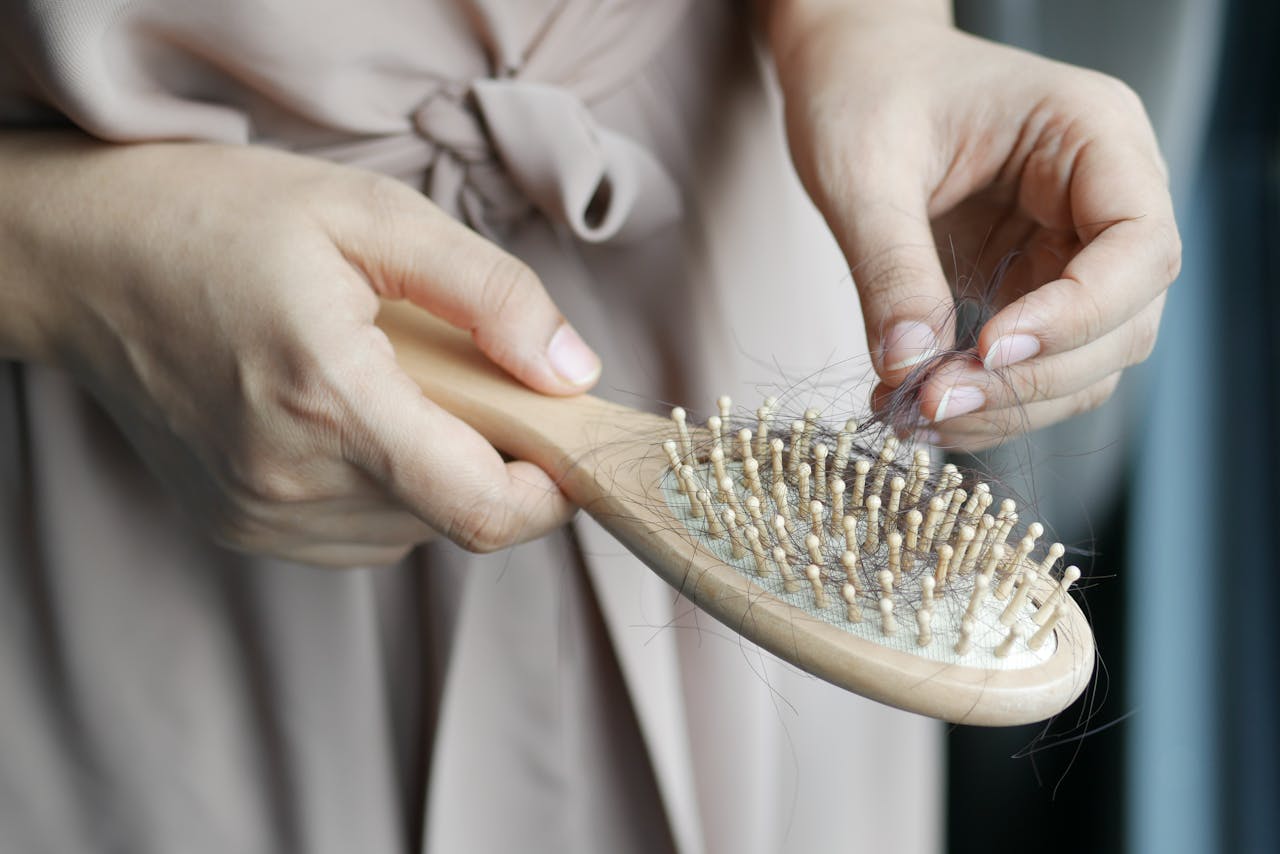
This occurs when a severe physical stressor forces a large number of hair follicles prematurely into the resting (telogen) phase of the growth cycle. A few months after the initial stressor—such as a sharp decline in kidney function or a major surgical procedure—the hair sheds en masse, leading to noticeable diffuse thinning across the entire scalp.
Finally, the emotional and psychological toll of managing a long-term illness cannot be ignored. High stress levels stimulate the release of cortisol, a hormone known to disrupt the hair growth cycle. When you combine metabolic stress, hormonal imbalances, and psychological anxiety, the hair follicles simply do not have the supportive environment they need to thrive.
Can Kidney Failure Cause Hair Loss Due to Nutritional Deficiencies?
The dietary restrictions required to manage advanced kidney disease are notoriously strict. Patients are often told to limit their intake of potassium, phosphorus, sodium, and sometimes protein to prevent dangerous build-ups in the blood. Unfortunately, these exact dietary modifications can inadvertently lead to nutritional deficiencies that compromise hair quality and growth.
Protein restriction, while sometimes necessary to ease the workload on failing kidneys, deprives the body of the essential amino acids needed to build keratin, the primary structural component of hair.
Beyond macronutrients, specific vitamin and mineral imbalances play a major role. Iron deficiency anemia is incredibly common in kidney failure patients because the kidneys produce less erythropoietin, a hormone vital for red blood cell production. Without sufficient iron, oxygen delivery to the hair roots is drastically reduced, causing hair to become brittle and shed.
Furthermore, many individuals on dialysis experience a loss of water-soluble vitamins, including B-complex vitamins and zinc, during the filtration process. Zinc is a crucial trace mineral for hair tissue growth and repair. When zinc levels plummet alongside vital proteins and iron, the body prioritizes core survival mechanisms, effectively shutting down non-essential functions like hair production.
Does Dialysis or Kidney Medication Affect Hair Loss?
For those undergoing renal replacement therapy, dialysis is a life-saving intervention. However, the process itself can contribute to hair shedding. The rapid shifts in fluid balance, blood pressure, and biochemistry during a dialysis session place a recurring physical stress on the body. Additionally, as mentioned, the dialysis membrane can filter out essential micronutrients alongside waste products, exacerbating existing nutritional gaps.
Medications prescribed to manage kidney failure and its complications are another frequent culprit. Many renal patients are prescribed blood thinners (like heparin, often used during dialysis), blood pressure medications (such as beta-blockers), and immunosuppressants if they are preparing for or recovering from a transplant. Telogen effluvium is a known side effect of several of these pharmaceutical interventions.
If you suspect your medications are accelerating your hair thinning, it is vital never to stop taking them abruptly. Instead, initiate an open dialogue with your nephrologist. In some cases, adjusting the dosage or switching to an alternative medication can help mitigate hair shedding without compromising your renal health.
How Can You Manage and Treat Hair Loss with Kidney Disease?
Addressing hair thinning when you have kidney failure requires a careful, collaborative approach. The most critical step is optimizing your nutritional intake within the boundaries of your renal diet. Working closely with a renal dietitian is essential; they can help you safely maximize your protein intake and identify kidney-safe ways to incorporate iron, zinc, and B-vitamins into your daily routine without overloading your system with dangerous electrolytes.
Topical treatments and gentle hair care practices can also preserve the hair you have. Avoid harsh chemical treatments, excessive heat styling, and tight hairstyles that pull on the scalp, as hair compromised by chronic illness is inherently more fragile. While minoxidil is a popular over-the-counter hair growth treatment, you must consult your medical team before using it, as systemic absorption can sometimes impact blood pressure.
Lastly, patience is required. Because the hair growth cycle operates on a delay, it often takes several months of stable health, optimized nutrition, and stress management before you will see a reduction in shedding or signs of new growth. Focus on holistic wellness, sleep, and emotional support to help your body heal from the inside out.