
Managing Chronic Kidney Disease (CKD) alongside type 2 diabetes requires a careful approach to medication. Protecting long-term filtration capacity is a primary focus for healthcare providers. For individuals exploring treatment options to manage blood sugar and preserve kidney performance, understanding the medication known medically as canagliflozin—and often searched online as ivocana (a common misspelling of the brand name Invokana)—presents an important therapeutic consideration.
As a first-in-class selective sodium-glucose cotransporter-2 (SGLT2) inhibitor, this medication has fundamentally shifted how clinicians approach cardio-renal risk management (Fala, 2013; Watson, 2021). Originally developed to target glycemic control, extensive global clinical data has revealed its profound secondary capabilities in altering the progression of diabetic nephropathy (kidney disease caused by diabetes).
Navigating the landscape of advanced prescription drugs while managing a chronic illness can feel overwhelming. By focusing on the scientific mechanisms, clinical intent, and safety parameters of this therapy, patients can engage in more informed, proactive collaborations with their nephrology teams.
What is ivocana and How Does It Work for Kidney Patients?
To understand how ivocana (canagliflozin) impacts the body, it helps to look at the microscopic filters in your kidneys, known as nephrons. In a healthy system, the kidneys filter waste out of the blood while reabsorbing essential nutrients, including glucose, back into the bloodstream. This reabsorption process is heavily mediated by SGLT2 receptors located in the proximal renal tubules (Khalid, 2023).
When someone has type 2 diabetes, these transporters often overperform, reabsorbing too much glucose and compounding high blood sugar levels (Fala, 2013). The active compound in ivocana works by selectively inhibiting these SGLT2 receptors (Khalid, 2023). By blocking the reabsorption pathway, the drug forces the kidneys to excrete excess glucose directly through the urine, thereby lowering circulating blood sugar levels independent of insulin secretion (Aschenbrenner, 2013).
Beyond blood sugar management, this mechanism offers vital hemodynamic benefits for individuals with CKD. In diabetic kidney disease, the filtering units experience "hyperfiltration"—a state of dangerously high internal blood pressure that accelerates tissue scarring. By altering sodium and glucose handling in the tubules, SGLT2 inhibitors restore a natural feedback loop that constricts incoming blood vessels to the filtering units (Perkovic et al., 2015). This process lowers the internal pressure of the kidney, acting like a relief valve to reduce physical wear and tear.
How Does ivocana Protect the Kidneys From Failing?
The protective nature of ivocana centers on its ability to delay the progressive loss of kidney function over time. Clinical trials, such as the landmark CREDENCE study, evaluated the impact of SGLT2 inhibition specifically in populations with established chronic kidney disease and significant protein leakage (Watson, 2021). The data demonstrated a substantial reduction in the risk of reaching end-stage kidney disease (ESKD) or requiring life-sustaining interventions like dialysis or a transplant (Khalid, 2023).
Additionally, this class of medication helps control a major clinical marker of kidney damage: albuminuria, or excess protein in the urine. When the kidney filters are stressed, they leak albumin into the urine. By relieving internal pressure and stabilizing the glomerular filtration barrier, ivocana helps lower protein excretion levels (Khalid, 2023). This reduction is directly associated with a slower long-term decline in the estimated glomerular filtration rate (eGFR).
It is common for patients to notice a slight, early dip in their eGFR values within the first few weeks of starting ivocana. Clinical evidence confirms this is a functional, temporary shift resulting from the drop in filtration pressure rather than structural cellular damage (Perkovic et al., 2015). After this initial adjustment period, the eGFR curve typically stabilizes, showing a much gentler, protected long-term decline compared to patients not taking an SGLT2 inhibitor.
What Side Effects and Risks Should CKD Patients Watch For?
While the cardio-renal advantages are well-documented, introducing ivocana into a CKD regimen requires close attention to specific safety parameters. Because the drug intentionally routes excess glucose through the urinary tract, it creates an environment where bacteria and yeast can more easily thrive. As a result, patients face an increased risk of genital mycotic infections and urinary tract infections, some of which can progress to more serious complications if left untreated (Aschenbrenner, 2013; Khalid, 2023).
Another crucial factor for kidney patients is fluid volume balance. The excretion of glucose through the urine causes a mild osmotic diuresis, meaning it acts like a mild water pill (Perkovic et al., 2015). While this can help lower systemic blood pressure, it can also lead to dehydration, low blood pressure (hypotension), and dizziness, especially in individuals already taking prescription diuretics or renin-angiotensin system (RAS) inhibitors (Aschenbrenner, 2013; Khalid, 2023).
Finally, patients must be aware of rare but serious systemic risks, such as euglycemic diabetic ketoacidosis (DKA)—a life-threatening condition where the blood becomes too acidic even though blood sugar levels appear relatively normal (Gelaye et al., 2016). For safety reasons, "sick-day protocols" are frequently recommended; this involves temporarily pausing ivocana during acute illnesses, periods of prolonged fasting, or prior to major surgeries to prevent severe dehydration or ketoacidosis (Bouwmans, 2025).
References
-
Aschenbrenner, D. S. (2013). First drug in a new class treats type 2 diabetes. AJN, American Journal of Nursing, 113(7), 22.
Cited by: 1
-
Bouwmans, P. (2025). Drug stewardship for RAS inhibitors and SGLT2 inhibitors in chronic kidney disease: stay on, restart. Nephrology Dialysis Transplantation. https://doi.org/10.1093/ndt/gfag008
Cited by: 1
-
Fala, L. (2013). Invokana (Canagliflozin): First-in-class SGLT2 inhibitor approved for the treatment of type 2 diabetes. American Health & Drug Benefits.
Cited by: 1
-
Gelaye, A., Haidar, A., Kassab, C., Kazmi, S., & Sinha, P. (2016). Severe ketoacidosis associated with canagliflozin (Invokana): A safety concern. Case Reports in Critical Care, 2016, 1–3. https://doi.org/10.1155/2016/1656182
Cited by: 39
-
Khalid, Z. (2023). Canagliflozin. StatPearls. https://www.ncbi.nlm.nih.gov/books/NBK603733/
Cited by: 2
-
Perkovic, V., Jardine, M., Vijapurkar, U., & Meininger, G. (2015). Renal effects of canagliflozin in type 2 diabetes mellitus. Current Medical Research and Opinion, 31(2), 2219–2231. https://doi.org/10.1185/03007995.2015.1092128
Cited by: 77
-
Watson, M. M. (2021). UK Kidney Association clinical practice guideline: Sodium-glucose co-transporter-2 (SGLT-2) inhibition in adults with kidney disease. UK Kidney Association.
Medical Disclaimer: This article is for informational and educational purposes only and does not constitute medical advice, diagnosis, or treatment. Always consult with a qualified nephrologist, primary care physician, or healthcare provider regarding changes to your medication regimen, managing chronic kidney disease, or addressing specific health concerns.
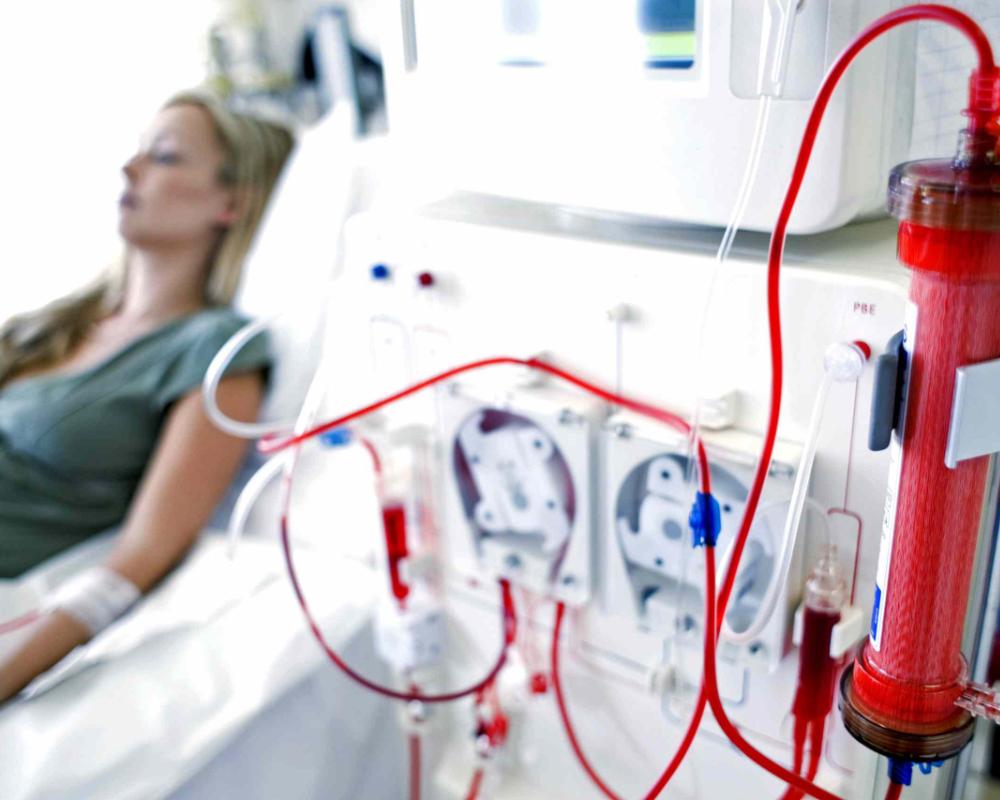
Are you tired of living under the shadow of kidney disease? Are you yearning for a life free from the shackles of dialysis, kidney failure, and the looming threat of kidney transplants? If so, you're in the right place at the right time. Imagine waking up every morning with boundless energy, feeling rejuvenated and ready to take on the day. Envision a life where your kidneys are functioning optimally, and you no longer dread the burdensome routines of dialysis sessions. The Kidney Disease Solution Program is here to turn that vision into reality for you.