
Dealing with chronic kidney disease (CKD) is a challenging journey, both for the individual diagnosed and their loved ones. As the disease progresses to its advanced phases, understanding what to expect becomes crucial for managing comfort, making informed medical decisions, and ensuring the highest possible quality of life.
When a person reaches Stage 5 CKD—also known as end-stage renal disease (ESRD)—the kidneys have lost nearly all their ability to filter waste and excess fluids from the blood. Recognizing the symptoms of end stage ckd is vital for timely intervention and palliative care alignment.
What Are the Warning Signs of Kidney Failure?
In the earlier stages of renal disease, symptoms can be subtle or entirely absent. However, as kidney function drops below 15%, waste products and toxins build up rapidly in the bloodstream. This buildup, known as uremia, triggers noticeable physical changes.
The most common warning signs include:
-
Severe Fatigue and Lethargy: A profound, crushing exhaustion that doesn't improve with rest, often compounded by anemia (a drop in red blood cells because the kidneys aren't producing enough erythropoietin).
-
Significant Fluid Retention: Swelling (edema) in the legs, ankles, feet, hands, and face as the body loses its ability to excrete excess water.
-
Changes in Urination: A marked decrease in urine output, or in some cases, urinating more frequently but with clear, ineffective fluid. The urine may also appear foamy or dark.
-
Persistent Nausea and Loss of Appetite: A metallic taste in the mouth (ammonia breath) and a total distaste for food, frequently leading to unintentional weight loss.
How Does End-Stage CKD Affect the Body and Mind?
The systemic nature of kidney failure means that the symptoms of end stage ckd impact multiple organs and cognitive functions simultaneously.
Cardiovascular and Respiratory Impact
Because the kidneys regulate fluid balance and blood pressure, fluid overload can accumulate in the lungs, a condition known as pulmonary edema. This causes shortness of breath, especially when lying flat. Additionally, unmanaged fluid buildup puts an immense strain on the heart, leading to congestive heart failure or severe hypertension.
Neurological and Cognitive Changes
Uremic toxins directly affect the central nervous system. Patients and caregivers often report:
-
Difficulty concentrating or "brain fog"
-
Severe sleep disturbances, including insomnia and restless legs syndrome
-
Muscle twitching, cramping, or sudden spasms
-
In advanced, untreated stages, confusion, seizures, or a uremic coma
Skin and Bone Complications
The buildup of phosphorus and uremic toxins can cause severe, unrelenting skin itching (pruritus) that doesn't respond well to standard moisturizers. Mineral and bone disorders also develop, making bones fragile and prone to pain.
What Are the Behavioral and Emotional Changes in End-Stage Renal Disease?
Navigating advanced illness takes an undeniable toll on mental and emotional well-being. It is entirely normal for individuals experiencing the symptoms of end stage ckd to undergo behavioral shifts.
-
Anxiety and Depression: Coping with a chronic, life-limiting illness frequently brings about deep feelings of grief, anxiety regarding the future, and clinical depression.
-
Social Withdrawal: Physical exhaustion and cognitive fatigue can cause individuals to pull away from family, hobbies, and social interactions.
-
Increased Irritability: Dealing with chronic pain, constant nausea, and lack of sleep can understandably lower a person's patience and alter their usual demeanor.
Support groups, counseling, and open communication with a nephrology care team are essential components of holistic management during this phase.
What Treatments Manage Symptoms of End Stage CKD?
When a patient reaches end-stage kidney failure, treatment shifts toward replacing kidney function or prioritizing comfort. The primary pathways include:
1. Renal Replacement Therapy (RRT)
-
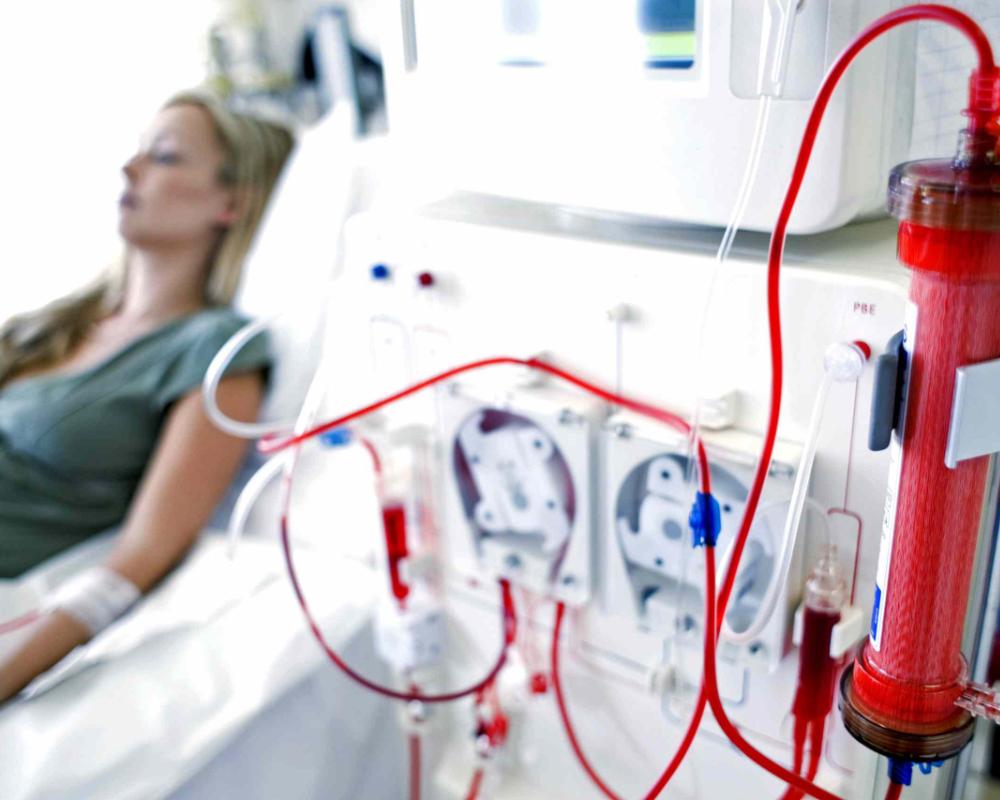
Hemodialysis: A machine filters the blood, typically performed three times a week at a clinic or at home.
-
Peritoneal Dialysis: A treatment utilizing the lining of the abdomen to filter waste inside the body, offering more daily flexibility.
-
Kidney Transplantation: Replacing the failed organ with a healthy kidney from a living or deceased donor, which offers the best long-term outcomes for eligible candidates.
2. Conservative Kidney Management (Comfort Care)
For some individuals, particularly those with advanced age or other severe medical conditions, dialysis may not improve their quality of life. In these cases, conservative management focuses entirely on controlling the symptoms of end stage ckd using medications, dietary adjustments, and palliative care to ensure peace, dignity, and comfort without invasive procedures.
Questions About Symptom Management & Disease Progression
-
Given my current lab results and GFR, what stage of CKD am I in, and what does that mean for my daily life?
-
What specific symptoms of end stage ckd should I be watching for at home that would require immediate medical attention?
-
How can we better manage my current symptoms, such as severe fatigue, fluid retention, or chronic itching?
-
Will my current medications need to be adjusted or stopped as my kidney function changes?
Questions About Treatment Choices & Quality of Life
-
What are the pros and cons of hemodialysis versus peritoneal dialysis based on my lifestyle and overall health?
-
Am I a candidate for a kidney transplant, and if so, what are the next steps to get on the evaluation list?
-
What does "conservative kidney management" (comfort-focused care without dialysis) look like for me, and how would it impact my life expectancy and comfort?
-
Can you connect me with a palliative care specialist to help manage my pain and symptom burden alongside my kidney treatments?
Questions About Diet, Lifestyle, & Support
-
What specific dietary changes (such as restricting potassium, phosphorus, sodium, or fluids) do I need to make right now?
-
Can you recommend a renal dietitian who can help me plan meals that support my remaining kidney function?
-
Are there safe ways for me to maintain light exercise or physical activity to help with my energy levels?
-
What mental health resources, counseling, or patient support groups are available to help my family and me cope with the emotional toll of this diagnosis?
Medical Disclaimer
This article is for informational and educational purposes only and should not be considered professional medical advice, diagnosis, or treatment. Always consult with a qualified healthcare provider, nephrologist, or physician regarding any changes in health, medical conditions, or treatment plans.