When you or a loved one receives a chronic kidney disease (CKD) diagnosis, it is completely normal to feel overwhelmed. The immediate question that usually surfaces is simple yet critical: what helps kidney disease from worsening?
While damaged kidney tissue cannot always be fully repaired, modern medicine and targeted lifestyle adaptations offer powerful ways to protect remaining function, manage symptoms, and preserve your quality of life. This guide addresses the most common questions people face when seeking effective strategies to protect their renal health.
Understanding the stages of chronic kidney disease (CKD) is essential for mapping out an effective treatment plan. The stages are primarily determined by an eGFR (Estimated Glomerular Filtration Rate) score, which is a blood test that measures how efficiently your kidneys filter waste.
Doctors divide CKD into five distinct stages, ranging from mild kidney damage to complete kidney failure.
Stage 1: Mild Kidney Damage with Normal Kidney Function
-
eGFR: 90 or higher
-
What it means: Your kidneys are still functioning at $90\%$ or greater capacity, but there are physical signs of kidney damage. This damage is typically detected through protein in the urine (albuminuria), blood in the urine, or abnormal kidney structure seen on an ultrasound.
-
The Goal: Focus on managing underlying health conditions like high blood pressure or diabetes to prevent damage from advancing.
Stage 2: Mild Kidney Damage with Slight Loss of Function
-
eGFR: 60 to 89
-
What it means: There is a mild reduction in your kidney's filtering ability alongside physical evidence of kidney damage. Like Stage 1, this stage is usually asymptomatic, meaning you likely won't feel physically ill.
-
The Goal: Establish healthy lifestyle habits, control blood pressure, review medications with your doctor, and monitor your eGFR closely.
Stage 3: Moderate Loss of Kidney Function
Stage 3 is divided into two sub-stages because treatment strategies and risk levels shift as function drops below $45\%$. At this stage, you may begin to experience subtle symptoms like fatigue, mild swelling in the hands or feet, or changes in how often you urinate.
-
Stage 3A (Early Moderate): eGFR of 45 to 59.
-
Stage 3B (Late Moderate): eGFR of 30 to 44.
-
The Goal: This is typically when a patient is referred to a nephrologist (kidney specialist). The focus is heavily placed on slowing progression using medications like ACE inhibitors, ARBs, or SGLT2 inhibitors, and managing complications like anemia or bone health.
Stage 4: Severe Loss of Kidney Function
-
eGFR: 15 to 29
-
What it means: Your kidneys are significantly damaged and working at a fraction of their normal capacity. Symptoms are much more prominent and can include severe fatigue, nausea, loss of appetite, muscle cramps, and pronounced fluid retention (edema).
-
The Goal: At this stage, care intensifies. Your medical team will focus on preventing complications, managing symptoms, and actively planning for the future, which includes educating you on renal replacement therapies (dialysis options or a kidney transplant).
Stage 5: Kidney Failure (End-Stage Renal Disease)
-
eGFR: Less than 15
-
What it means: The kidneys have either failed or are very close to complete failure. Waste products and excess fluid build up to dangerous levels in the bloodstream, which is life-threatening without intervention.
-
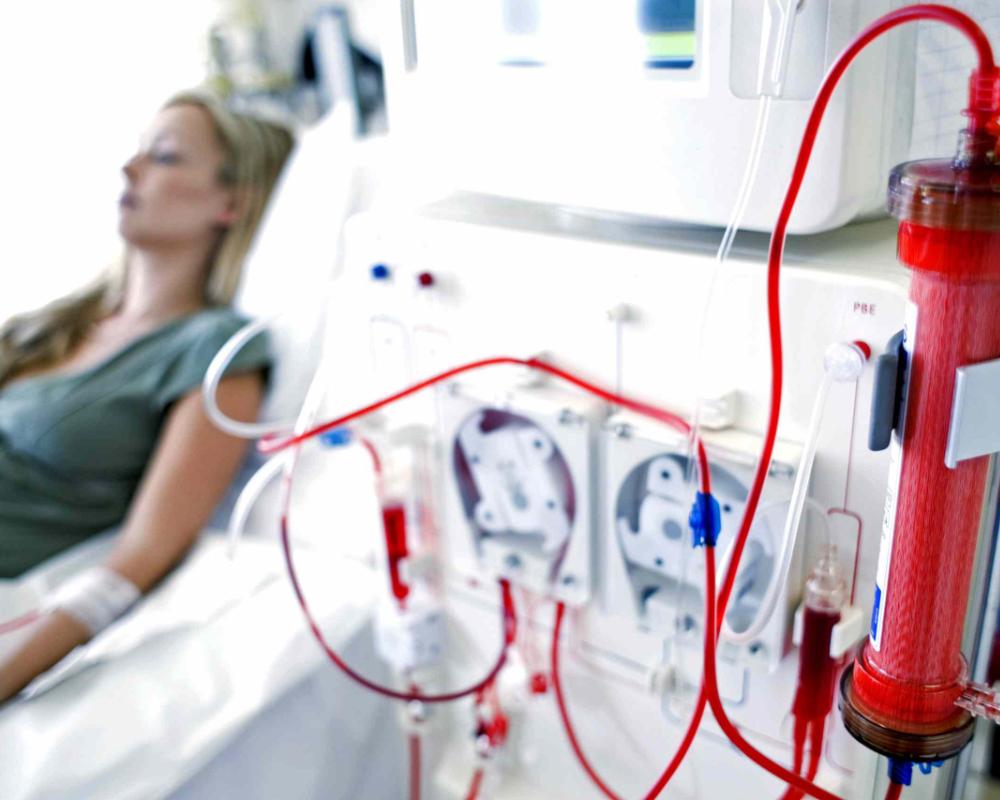
The Goal: Transitioning to active treatment for survival. This involves starting dialysis (hemodialysis or peritoneal dialysis), pursuing a kidney transplant, or managing symptoms through supportive, palliative care.
What helps kidney disease progression slow down?
The primary goal of renal care is to halt or drastically delay the progression toward end-stage renal disease (ESRD). Clinical research shows that protecting your filtration system requires a dual approach: robust medical therapies and targeted lifestyle adjustments.
Gold-Standard Medical Interventions
-
Renin-Angiotensin System (RAS) Blockers: Medications like ACE inhibitors (e.g., Ramipril or Enalapril) and Angiotensin Receptor Blockers (ARBs like Losartan or Valsartan) are foundational. They lower systemic blood pressure and minimize pressure inside the kidney's delicate filtering units, reducing protein leakage (albuminuria).
-
SGLT2 Inhibitors: Originally developed for type 2 diabetes, medications such as dapagliflozin and empagliflozin have emerged as breakthrough treatments. They significantly lower the risk of eGFR decline and cardiovascular events, even in patients without diabetes.
-
GLP-1 Receptor Agonists: Newer clinical evidence supports medications like semaglutide for protecting kidney function, particularly by reducing systemic inflammation and managing metabolic risk factors.
Vital Lifestyle Interventions
To support medical therapies, managing systemic numbers is vital. Keeping your blood pressure at or below 130/80 mm Hg decreases stress on the renal blood vessels. If you have diabetes, managing your blood glucose tightly and maintaining a target A1C level prevents glucose-induced damage to the nephrons.
What foods and dietary changes support kidney health?
Dietary modification is one of the most effective, self-directed tools available for managing renal stress. Because the kidneys filter everything you consume, adjusting your nutrient intake alters their workload.
-
Sodium Reduction: Restricting your sodium intake to around 2,000 milligrams per day helps control blood pressure and minimizes fluid retention (edema), which frequently causes swelling in the legs and ankles. Avoid ultra-processed foods, canned soups, and cured meats.
-
Protein Moderation: While protein is essential, an excess forces the kidneys to work harder to eliminate urea, a toxic waste product. Working with a renal dietitian to transition toward a plant-dominant or lower-protein diet can ease this burden.
-
Monitoring Potassium and Phosphorus: As function declines, the body struggles to balance these minerals. If your blood tests show elevated levels, you may need to limit high-potassium options (like bananas, spinach, and tomatoes) and high-phosphorus foods (such as dairy, nuts, and certain dark sodas).
What lifestyle habits protect your kidneys from further damage?
Beyond what you eat and the prescriptions you take, daily behavioral patterns significantly impact your long-term cardiovascular and renal prognosis.
-
Avoid Nephrotoxic Medications: Over-the-counter Non-Steroidal Anti-Inflammatory Drugs (NSAIDs), including ibuprofen and naproxen, restrict blood flow to the kidneys and can trigger acute decline. Opt for kidney-safe pain management alternatives recommended by your doctor.
-
Stay Hydrated, But Avoid Fluid Overload: Drinking adequate water is vital for toxin clearance, but if you have advanced stages of CKD, your team may recommend a fluid restriction to prevent fluid buildup.
-
Engage in Regular Physical Activity: Gentle, consistent exercise supports healthy cardiovascular function, controls weight, and improves insulin sensitivity—all of which decrease the burden on your renal system.
Partnering with a multidisciplinary care team—including a nephrologist, primary care physician, and renal dietitian—ensures a comprehensive management strategy tailored precisely to your current eGFR and staging.
Medical Disclaimer: The information provided in this article is for educational and informational purposes only and should not be construed as medical advice. Chronic kidney disease requires highly individualized care. Always consult with a qualified physician, nephrologist, or healthcare professional before making changes to your diet, medication regimen, or lifestyle habits.