
Facing a diagnosis of Stage 5 Chronic Kidney Disease (CKD) can feel completely overwhelming. If you or a loved one is searching for how to reverse chronic kidney disease stage 5, you are likely dealing with immense anxiety about the future, dialysis, and overall quality of life. It is entirely natural to look for a way to undo the damage and restore your health.
To address this burning question directly: structurally and biologically, chronic kidney disease stage 5 cannot be fully reversed. Stage 5 is classified as End-Stage Renal Disease (ESRD), meaning kidney function or the estimated glomerular filtration rate (eGFR) has dropped below 15 mL/min. At this point, the kidneys have sustained permanent scarring and can no longer filter waste effectively on their own.
However, while "reversal" in the literal sense isn't medically possible for chronic damage, hope is far from lost. There is a massive difference between a complete cure and managing Stage 5 CKD effectively to maximize remaining function, improve your well-being, and explore life-prolonging treatments.
Understanding Stage 5 CKD and "Reversal" vs. "Management"
When people ask about reversing kidney damage, they are often experiencing severe symptoms like extreme fatigue, nausea, swelling (edema), and changes in urination.
While chronic scarring cannot be undone, certain acute factors can temporarily plunge your kidney numbers into Stage 5 territory. If an underlying acute issue—such as severe dehydration, a sudden medication toxicity (like high doses of NSAIDs), or a urinary tract obstruction—is resolved, your eGFR may improve slightly.
For true chronic ESRD, the clinical focus shifts from a cure to stabilization and renal replacement therapies.
Managing Stage 5 CKD: Your Action Plan
To optimize your health, protect your remaining kidney tissue, and address your daily pain points, a multi-faceted approach is required.
1. Adopting a Strict Kidney-Friendly Diet
Dietary changes are your most powerful tool for managing symptoms and preventing the dangerous buildup of toxins. At Stage 5, your nutritional needs change drastically:
-
Lower Protein Consumption: High protein intake forces the kidneys to work harder to filter urea. A carefully monitored, low-protein diet guided by a renal dietitian can reduce workload.
-
Managing Potassium and Phosphorus: Failed kidneys cannot filter these minerals. High potassium can cause dangerous heart arrhythmias, while excess phosphorus weakens bones. Limit dairy, nuts, bananas, and processed foods with phosphorus additives.
-
Sodium and Fluid Restrictions: To prevent fluid overload, swelling, and dangerously high blood pressure, strictly limit your salt and daily fluid intake.
2. Medical Treatments and Renal Replacement Therapy
Because the kidneys can no longer sustain life on their own at Stage 5, you will need to discuss advanced treatment options with your nephrologist:
-
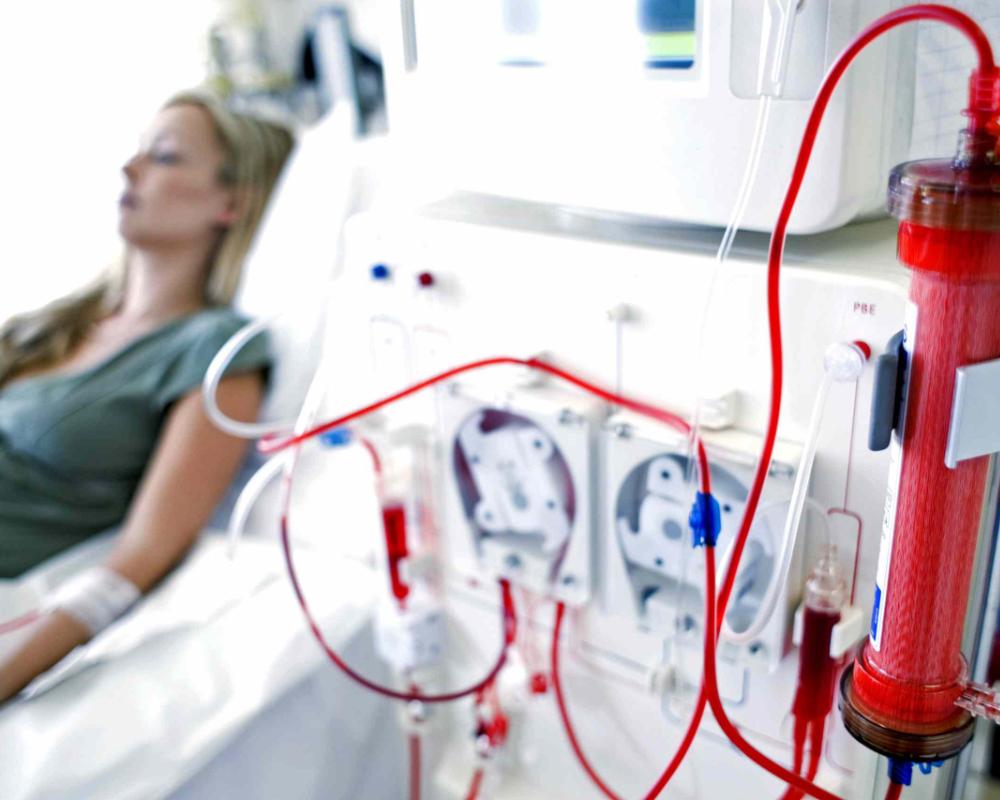
Dialysis: This life-saving process cleans your blood when your kidneys cannot. You may choose hemodialysis (done at a center or home via a machine) or peritoneal dialysis (which uses the lining of your abdomen and can be done comfortably at home or while you sleep).
-
Kidney Transplant: Receiving a healthy donor kidney is the closest medical option to "reversing" the lifestyle impacts of Stage 5 CKD. A successful transplant can restore high-quality kidney function and eliminate the need for dialysis.
3. Aggressive Management of Root Causes
To prevent further systemic damage, any underlying conditions must be tightly controlled:
-
Blood Pressure Control: Keep blood pressure within target ranges using prescribed medications (like ACE inhibitors or ARBs, if recommended by your specialist) to protect remaining blood vessels.
-
Blood Sugar Management: If diabetes caused your CKD, maintaining strict glycemic control prevents further damage to the body's microvasculature.
Proactive Steps for Your Peace of Mind
-
Avoid Nephrotoxins: Never take over-the-counter pain relievers like ibuprofen or naproxen, which further damage the kidneys.
-
Partner with a Nephrologist: Regular blood work to monitor tracking metrics like creatinine and BUN is essential.
-
Seek Emotional Support: Managing end-stage kidney disease takes a toll on mental health. Lean on support groups and counselors who understand renal disease.
While you may not be able to erase chronic Stage 5 kidney disease, taking active control of your diet, treatments, and lifestyle can dramatically improve your daily life and help you look forward to a brighter, manageable future.
Essential Questions to Ask Your Doctor at Every Checkup
When managing Chronic Kidney Disease (CKD), your checkups are the best opportunity to stay ahead of the disease. Preparing a specific set of questions ensures you maximize your time with your nephrologist or primary care physician. Consider printing this list or keeping it in your phone for your next visit:
Tracking Disease Progression
-
What is my exact eGFR today, and how does it compare to my last test? (This helps you understand the trajectory of your kidney health).
-
What is my urine albumin (protein) level, and has it changed?
-
Is my kidney disease progressing at a expected rate, or has it accelerated?
Medication & Treatment Safety
-
Do any of my current medication dosages need to be adjusted based on my kidney function? * Are there any over-the-counter medications, supplements, or herbal remedies I must strictly avoid?
-
Are my blood pressure and blood sugar levels exactly where they need to be to protect my kidneys?
Diet & Daily Management
-
Do I need to adjust my daily limits for sodium, potassium, phosphorus, or protein?
-
Should I be restricting my fluid intake at this stage?
-
Can you refer me to a registered renal dietitian to help customize my meal plans?
Symptoms & Future Planning
-
What specific symptoms (e.g., swelling, fatigue, changes in urination) should I be monitoring at home?
-
At what point or symptom threshold should I call your office or go to the emergency room?
-
Based on my current stage, what does the timeline look like for discussing advanced treatments like dialysis or a kidney transplant evaluation?
How to Track Your eGFR Numbers
Your estimated Glomerular Filtration Rate (eGFR) is the metric doctors use to determine your stage of kidney disease. It measures how many milliliters of blood your kidneys filter per minute ($mL/min/1.73m^2$), calculated from a standard blood test using your blood creatinine levels, age, and sex.
1. Consolidate Your Lab Reports
To accurately track your numbers, consistency is key.
-
Request physical or digital copies of your complete Basic Metabolic Panel (BMP) or Comprehensive Metabolic Panel (CMP) after every blood draw.
-
Access your healthcare provider's online patient portal (such as MyChart). Most portals feature a built-in graphing tool under the "Test Results" section that automatically plots your eGFR over time.
2. Create a Dedicated Kidney Health Log
Because eGFR numbers can fluctuate slightly based on day-to-day hydration, diet, or muscle exertion, tracking the long-term trend is far more critical than an isolated result. Maintain a simple spreadsheet, notebook, or tracking app with the following columns:
| Date | eGFR Value (mL/min) | Serum Creatinine Level | Blood Pressure | Weight | Notes (Dehydration, Illness, Diet changes) |
3. Know What the Numbers Mean
When reviewing your log, reference the standard CKD staging framework to understand where your tracking numbers fall:
-
Stage 1 (eGFR 90+): Normal function with mild kidney damage.
-
Stage 2 (eGFR 60–89): Mild decrease in kidney function.
-
Stage 3a & 3b (eGFR 30–59): Moderate decrease in kidney function.
-
Stage 4 (eGFR 15–29): Severe decrease in kidney function.
-
Stage 5 (eGFR below 15): Kidney failure / End-Stage Renal Disease (ESRD).
Pro-Tip for Tracking: Always ensure you are comparing apples to apples. Different commercial laboratories (such as Labcorp vs. Quest Diagnostics) may use slightly different variations of calculation equations (like CKD-EPI vs. MDRD). Try to have your blood drawn at the same laboratory facility consistently to keep your tracking data precise.
Medical Disclaimer: The information provided in this article is for educational and informational purposes only and should not be construed as medical advice. Chronic Kidney Disease (CKD) Stage 5 is a critical medical condition that requires direct, specialized supervision. Always consult with a qualified nephrologist, physician, or registered renal dietitian before making any changes to your diet, medication regimen, or treatment plan.