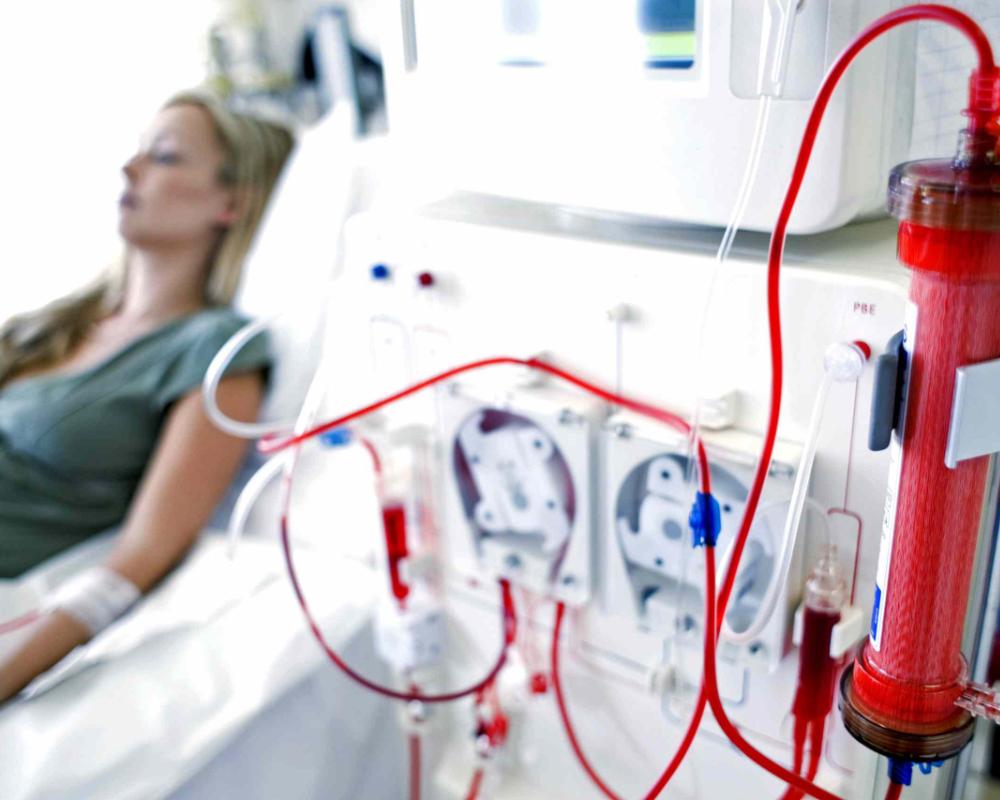

When people experience a sudden ache in their lower back or sides, one of the first questions that comes to mind is: Does kidney disease hurt? There is a common misconception that if an organ is failing or diseased, it will naturally cause intense pain. However, when it comes to the kidneys, the reality is much more complex. For millions of people worldwide, kidney disease is a quiet, progressive condition that causes no physical discomfort until it reaches its advanced stages.
If you are experiencing discomfort and wondering whether your kidneys are the culprit, this guide will break down how kidney disease behaves, when it actually causes pain, and what other symptoms you need to watch out for.
The Silent Nature of Chronic Kidney Disease (CKD)
To answer the core question directly: Early-stage chronic kidney disease (CKD) usually does not hurt at all. The kidneys are two bean-shaped organs located just below your ribcage, on either side of your spine. They filter waste, excess fluid, and toxins from your blood. Because the kidneys have a massive reserve capacity, they can lose up to 80% of their function before you begin to feel physically sick or experience pain. This is why medical professionals frequently refer to CKD as a "silent killer."
Why Doesn't CKD Hurt?
The kidney tissue itself lacks a high concentration of pain-sensing nerves. The outer covering of the kidney, known as the renal capsule, does have nerve endings, but it only transmits pain signals when it is stretched, inflamed, or under sudden pressure. Because chronic kidney disease causes a slow, gradual decline over months or years, the renal capsule rarely stretches quickly enough to trigger pain.
When Does Kidney Disease Actually Hurt?
While chronic kidney disease is usually painless, there are several specific kidney-related conditions and complications that do cause significant discomfort. If you are feeling physical pain in your kidney area, it is more likely due to one of the following acute conditions rather than early-stage CKD.
1. Kidney Stones (Nephrolithiasis)
If you have ever had a kidney stone, you know it is anything but silent. Kidney stones are hard deposits made of minerals and salts that form inside your kidneys.
-
The Pain Mechanism: A stone resting quietly inside the kidney rarely hurts. However, the moment that stone moves into the ureter (the narrow tube connecting the kidney to the bladder), it blocks the flow of urine. This causes the kidney to swell and the ureter to spasm, resulting in excruciating pain.
-
What it Feels Like: Sharp, cramping pain in the back and side (flank), which often radiates to the lower abdomen and groin. The pain typically comes in waves.
2. Kidney Infections (Pyelonephritis)
A kidney infection is a type of urinary tract infection (UTI) that has traveled upward from the bladder into one or both kidneys.
-
The Pain Mechanism: The bacterial infection causes sudden inflammation and swelling of the kidney tissue, stretching the renal capsule.
-
What it Feels Like: A constant, dull ache in your lower back or side. Unlike muscle strain, this pain is usually accompanied by a high fever, chills, nausea, and painful or frequent urination.
3. Polycystic Kidney Disease (PKD)
Polycystic kidney disease is a genetic disorder that causes numerous fluid-filled cysts to grow in the kidneys.
-
The Pain Mechanism: As these cysts multiply and enlarge, they cause the kidneys to expand significantly, putting intense pressure on the renal capsule and surrounding organs. Cysts can also rupture or bleed, causing sudden spikes in pain.
-
What it Feels Like: A chronic, aching feeling or heavy sensation in the back, sides, or abdomen.
4. Acute Kidney Injury (AKI) or Sudden Blockage
An acute kidney injury is a sudden episode of kidney failure or damage that happens within a few hours or days. If it is caused by a rapid blockage—such as a blood clot, severe tumor growth, or enlarged prostate obstructing urine flow—the sudden backup of urine stretches the kidney capsule rapidly, causing acute flank pain.
Kidney Pain vs. Back Pain: How to Tell the Difference
Because the kidneys sit right against the muscles of your lower back, people frequently confuse routine back pain with kidney pain. Distinguishing between the two is crucial for getting the right medical treatment.
| Feature | Kidney Pain | Muscle Back Pain |
| Location | High back, just under the ribs, usually on one side. Can radiate to the groin. | Lower back, buttocks, or running down the legs (sciatica). |
| Type of Pain | Constant, deep, dull ache (infections) or sharp, stabbing waves (stones). | Dull ache, stiffness, or sharp spasms triggered by movement. |
| Movement | Does not change or improve when you shift positions or lie down. | Often changes when you bend, twist, sit, or walk. |
| Other Symptoms | Fever, chills, changes in urine color, painful urination, nausea. | No systemic symptoms like fever or nausea. Localized tenderness. |
Silent Signs of Kidney Damage: What to Watch For
Since pain is an unreliable indicator of chronic kidney disease, you must look for other metabolic and systemic changes. If your kidneys are struggling to filter your blood, waste products build up in your body, leading to a cluster of secondary symptoms.
Changes in Urination
-
Foamy or Bubbling Urine: This indicates the presence of protein (albumin) in your urine, which leaks out when the kidney’s filters are damaged.
-
Changes in Frequency: Needing to urinate more often, especially at night (nocturia), or noticing a significant decrease in your overall urine output.
-
Blood in the Urine (Hematuria): Healthy filters keep blood cells in the body. When filters are compromised, blood can leak into the urine, making it look pink, red, or cola-colored.
Fluid Retention and Swelling (Edema)
When kidneys cannot remove excess sodium and fluid, water builds up in your tissues. This manifests as noticeable swelling in your:
-
Ankles, feet, and legs
-
Hands
-
Puffiness around your eyes, particularly in the morning
Fatigue, Brain Fog, and Anemia
Your kidneys produce a hormone called erythropoietin (EPO), which signals your body to make red blood cells. When kidney function drops, EPO production declines, leading to a shortage of red blood cells—a condition known as anemia. This results in constant fatigue, weakness, feeling cold, and difficulty concentrating.
Skin Rashes and Severe Itching (Pruritus)
As kidney function fails, waste products like urea and phosphorus build up in the bloodstream. This accumulation can cause intense, deep itching that topical lotions cannot soothe.
Risk Factors: Who Should Be Screened?
Because chronic kidney disease rarely hurts in its early stages, routine medical screening is the only definitive way to catch it early. If you have any of the following high-risk conditions, you should proactively ask your primary care physician for annual kidney function tests:
-
Diabetes: High blood sugar damages the micro-blood vessels inside the kidneys over time. Diabetes is the leading cause of kidney failure.
-
High Blood Pressure (Hypertension): Uncontrolled high blood pressure narrows and weakens the arteries around the kidneys, reducing their ability to filter blood effectively.
-
Heart Disease: Cardiovascular health and kidney health are deeply linked; poor circulation affects kidney performance.
-
Family History: A genetic predisposition to kidney failure or polycystic kidney disease increases your risk profile.
How Doctors Diagnose Kidney Issues
If you present with flank pain or systemic symptoms, a healthcare provider will use specific diagnostic tools to assess your renal health:
-
eGFR (Estimated Glomerular Filtration Rate): A routine blood test that measures your creatinine levels to determine how well your kidneys are filtering waste. A score below 60 for three months or more indicates chronic kidney disease.
-
Urinalysis (ACR Test): A urine test to check for the albumin-to-creatinine ratio, measuring if protein is leaking into your urine.
-
Imaging Studies: Ultrasound, CT scans, or MRIs to visualize the physical structure of your kidneys, allowing doctors to look for kidney stones, cysts, tumors, or blockages.
When to See a Doctor Immediately
While early chronic kidney disease is a long-term condition managed with lifestyle and medication, certain kidney symptoms require urgent medical care. Seek immediate medical attention if your pain is accompanied by:
-
An inability to pass urine
-
A high fever (above 101°F or 38.3°C) along with severe back or side pain
-
Persistent vomiting that prevents you from keeping fluids down
-
Visible, dark blood clots in your urine
-
Sudden, severe shortness of breath or chest pain (which can indicate dangerous fluid buildup around your lungs or heart)
Protecting Your Kidneys: Proactive Steps
Preventing kidney disease—or slowing its progression—revolves around managing your systemic health.
-
Manage Blood Sugar and Blood Pressure: Keep these numbers within your target range using prescribed medications and lifestyle adjustments.
-
Stay Hydrated, But Don't Overdo It: Drink plenty of water to help your kidneys clear sodium and toxins, but match your fluid intake to your activity level and climate.
-
Be Cautious with Over-the-Counter Painkillers: Overusing Nonsteroidal Anti-inflammatory Drugs (NSAIDs) like ibuprofen and naproxen can cause direct kidney damage. If you have underlying kidney vulnerability, talk to your doctor before using these medications.
-
Eat a Balanced Diet: Reduce excessive sodium and processed food intake to lower the workload on your renal system.
By understanding that kidney disease is primarily a silent condition, you can shift your focus from waiting for pain to proactively tracking your health metrics. Regular checkups remain your best defense.
Medical Disclaimer
The information provided in this article is for educational and informational purposes only and should not be construed as medical advice. Always consult with a qualified healthcare professional, urologist, or nephrologist for diagnosis, treatment options, or answers regarding a specific medical condition.