When you or a loved one is diagnosed with kidney disease, the very first question that usually comes to mind is simple yet heavy: How do you cure kidney disease?
It is completely natural to look for a definitive cure. You want to know if your kidneys can heal completely, if you can avoid dialysis, and what steps you need to take right now to reclaim your health. Facing a chronic illness brings up a flood of anxiety, confusion, and fear about the future.
To answer your question directly with the medical honesty you deserve: Chronic kidney disease (CKD) cannot be cured or reversed once permanent scarring has occurred. However, that is only half the story.
The true, modern approach to "managing" kidney disease is focused on slowing its progression to a near-halt, protecting your remaining kidney function, and in some cases, preventing early-stage damage from getting worse. There are also groundbreaking advancements in treatments, medications, and technology that are completely changing what it means to live with this condition.
This comprehensive guide breaks down the clinical realities of kidney disease, addresses the most common pain points, and explores the lifestyle shifts and medical therapies available today.
Chronic vs. Acute Kidney Disease: Is Reversal Ever Possible?
To understand if kidney damage can be fixed, we first have to distinguish between the two main types of kidney injury. The potential for a "cure" depends entirely on which type you are facing.
Acute Kidney Injury (AKI)
An acute kidney injury is a sudden, rapid decline in kidney function. It is usually triggered by a specific event, such as severe dehydration, a massive infection (sepsis), certain toxic medications, or a sudden blockage in the urinary tract.
-
Can it be cured? Yes. If the underlying cause is identified and treated quickly, the kidneys can often recover completely, returning to their normal function.
Chronic Kidney Disease (CKD)
Chronic kidney disease is a gradual, progressive loss of function over months or years. It is most commonly caused by long-term conditions like high blood pressure or diabetes, which slowly damage the delicate filtering units inside your kidneys (nephrons).
-
Can it be cured? No. Once nephrons are damaged and replaced by scar tissue, they cannot regenerate. However, early detection allows you to preserve the remaining healthy tissue, effectively stalling the disease for years or even decades.
The Core Medical Strategy: Protecting Your Remaining Kidney Function
If a literal cure isn't on the table for chronic conditions, what is the medical plan? The gold standard of care focuses on aggressive stabilization. Think of it as putting the brakes on a car rolling down a hill; the goal is to stop the movement before it reaches the bottom.
1. Tight Blood Pressure Management
High blood pressure (hypertension) is both a leading cause and a dangerous consequence of kidney disease. When blood pressure is too high, it forces blood through your kidney's delicate filters with too much force, tearing them down over time.
-
The Target: For most people with CKD, doctors aim for a blood pressure reading below $130/80 \text{ mmHg}$.
-
First-Line Medications: Doctors frequently prescribe ACE inhibitors (like lisinopril) or ARBs (like losartan). These specific medications do double duty: they lower systemic blood pressure and reduce the internal pressure inside the kidney filters, significantly slowing down kidney decline.
2. Blood Sugar Control for Diabetic Nephropathy
Diabetic nephropathy is kidney damage caused directly by poorly managed diabetes. High levels of sugar in the blood act like tiny shards of glass, inflaming and scarring the kidney's blood vessels. Keep your $A1C$ levels within the target range recommended by your doctor to prevent further damage.
3. Modern Breakthrough Medications
The landscape of kidney care has shifted dramatically with the introduction of new therapies that offer unprecedented kidney protection:
-
SGLT2 Inhibitors: Originally developed for type 2 diabetes, medications like dapagliflozin (Farxiga) and empagliflozin (Jardiance) have proven to be game-changers for CKD. They alter how the kidneys handle glucose and fluid, reducing workload and delaying the progression to kidney failure by years.
-
Finerenone (Kerendia): This medication targets specific receptors that cause tissue inflammation and scarring, offering a vital shield for adults with CKD associated with type 2 diabetes.
-
GLP-1 Receptor Agonists: Medications like semaglutide (Ozempic) are approved to reduce the risk of kidney failure, progression of kidney disease, and cardiovascular complications in patients with type 2 diabetes and CKD.
Actionable Lifestyle Interventions: The "At-Home" Strategy
Medical treatments are only one side of the coin. What you choose to put into your body every single day plays an equally massive role in how well your kidneys hold up.
Shifting to a Kidney-Friendly Diet
Your kidneys are responsible for filtering out waste products from the food you eat. When their capacity drops, certain nutrients can build up to dangerous levels in your blood.
-
Sodium Reduction: Excess sodium causes your body to hold onto fluid, spiking your blood pressure. Aim to drop your sodium intake well below $2,000 \text{ mg}$ per day by avoiding processed foods and relying on herbs and spices for flavor.
-
Protein Management: While protein is essential, processing large amounts of it puts a heavy filtering burden on your kidneys. Your doctor or a renal dietitian may recommend switching from heavy red meats to moderate portions of high-quality plant proteins or lean poultry.
-
Potassium and Phosphorus Monitoring: In advanced stages of CKD (Stages 3 to 5), the kidneys struggle to eliminate potassium and phosphorus. You may need to limit foods like bananas, avocados, dairy, and dark sodas to keep your heart and bones safe.
Mindful Hydration and Medication Safety
-
Avoid NSAIDs: Common over-the-counter pain relievers like ibuprofen, naproxen, and high-dose aspirin are highly toxic to the kidneys because they temporarily constrict blood flow to the organ. Opt for acetaminophen instead, or consult your doctor for alternatives.
-
Balanced Hydration: Unless you are on severe fluid restrictions due to advanced kidney failure or heart failure, stay steadily hydrated. Do not over-hydrate, but ensure you drink enough fluid to help your kidneys flush out metabolic waste smoothly.
Navigating Advanced Kidney Disease: Dialysis and Beyond
If kidney disease progresses despite your best efforts and reaches Stage 5 (End-Stage Renal Disease or ESRD), the kidneys can no longer sustain life on their own. At this crossroad, treatment switches from preserving kidney function to replacing it.
Dialysis: An External Filter
Dialysis is a life-sustaining treatment that takes over the job of filtering toxins and excess fluid from your blood.
-
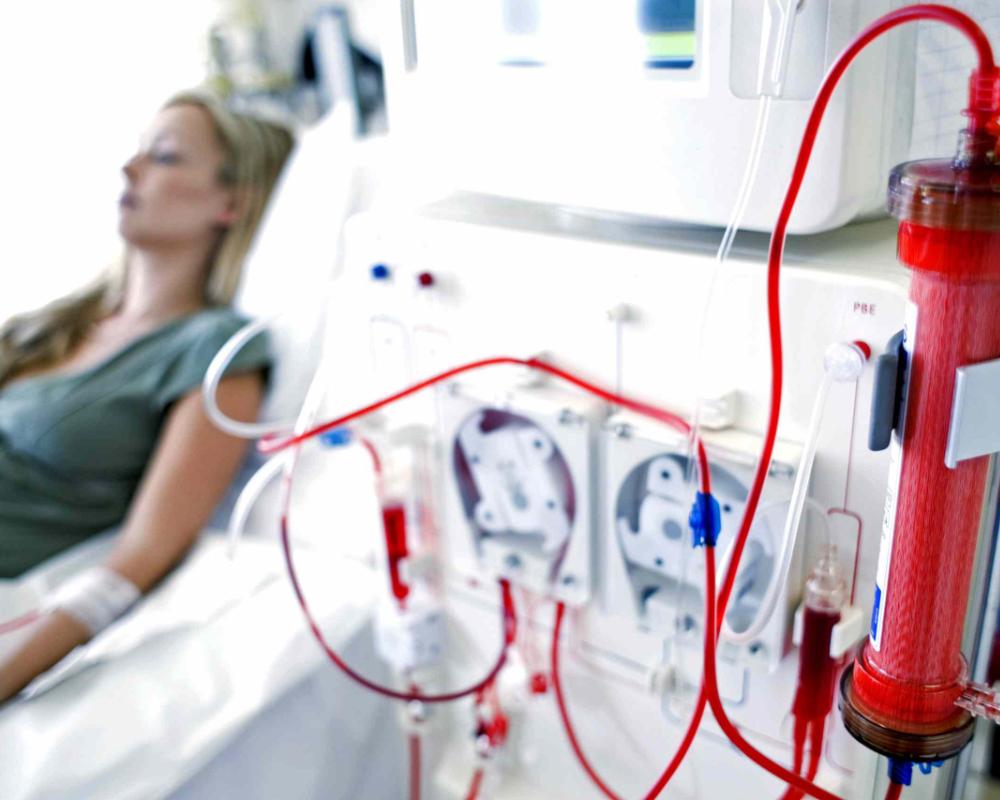
Hemodialysis: Done either at a clinic or at home, this process circulates your blood through an external machine called a dialyzer to clean it.
-
Peritoneal Dialysis: A more flexible, home-based option that uses the natural lining of your abdomen (peritoneum) and a specialized fluid to clean the blood internally.
Kidney Transplantation: The Closest Thing to a Cure
For many, a kidney transplant represents the most definitive alternative to a traditional cure. A successful transplant from a living or deceased donor can restore near-normal kidney function, eliminate the need for dialysis, and dramatically improve your energy levels and long-term quality of life.
While a transplant requires a lifetime commitment to taking immunosuppressant medications to keep your body from rejecting the new organ, it remains the absolute gold standard for treating end-stage kidney failure.
The Horizon of Kidney Research: Hope on the Way
Medical science is moving closer to true revolutionary treatments every day. Researchers worldwide are evaluating incredible innovations that may alter the future of renal care:
-
Artificial and Implantable Kidneys: Bio-engineering teams are working diligently on implantable, bio-artificial kidneys that combine mechanical filtration with living human kidney cells to eliminate the need for traditional dialysis entirely.
-
Xenotransplantation: Recent, historic clinical trials involving the temporary transplantation of genetically modified animal organs into humans are opening up massive possibilities for ending the organ donor shortage.
-
Regenerative Medicine: Stem cell therapies are being actively studied to see if scientists can eventually trigger the body to repair damaged nephrons, moving us one step closer to a true bio-cellular cure.
Medical Disclaimer
The information provided in this article is intended strictly for educational and informational purposes. It does not constitute formal medical advice, diagnosis, or treatment. Chronic kidney disease is a complex and highly individualized medical condition that requires close professional supervision. Always consult a qualified physician, nephrologist, or healthcare provider before making any changes to your diet, medication regimen, or lifestyle habits, or if you have specific questions regarding a medical condition.