Finding out that you or a loved one has chronic renal failure—more commonly known today as Chronic Kidney Disease (CKD)—can feel like the world is shifting beneath your feet. It is completely normal to feel overwhelmed, anxious, or even angry. The kidneys do a massive amount of invisible work every day, and learning that they are struggling brings up valid fears about the future, lifestyle changes, and medical treatments.
The good news is that the landscape of kidney care has changed dramatically. Chronic renal failure is no longer a straight line toward a single outcome. With early intervention, modern medications, and specific dietary changes, you can protect your remaining kidney function and live a full, active life.
This comprehensive guide breaks down exactly how to treat chronic renal failure, answers the most pressing questions patients face, and highlights the latest medical advancements.
Understanding the Battle: What Happens in Chronic Renal Failure?
To treat chronic kidney disease effectively, it helps to understand what we are protecting. Your kidneys contain millions of tiny filtering units called nephrons. In chronic renal failure, these nephrons become damaged over time and lose their ability to filter waste products, toxins, and excess fluids from your blood.
Doctors measure how well your kidneys are filtering using the Estimated Glomerular Filtration Rate (eGFR), which is calculated via a simple blood test for creatinine (a waste product from muscle breakdown). This score determines the stage of kidney disease:
-
Stages 1 & 2: Mild kidney damage, but the eGFR is still normal or near-normal (90 or higher).
-
Stage 3 (3a & 3b): Moderate decrease in kidney function (eGFR between 30 and 59). This is often when symptoms like fatigue or mild swelling begin to appear.
-
Stage 4: Severe reduction in kidney function (eGFR between 15 and 29). This requires intensive management to prepare for potential kidney failure.
-
Stage 5: Kidney failure (eGFR less than 15). The kidneys can no longer sustain life on their own, requiring advanced therapies.
The Pillars of Medical Treatment: Slowing Progression
While damaged nephrons cannot usually be repaired, the primary goal of medical treatment is to protect the healthy ones you have left. Healthcare teams use a multi-pronged approach targeting the root causes of kidney strain.
1. Advanced Blood Pressure Control
High blood pressure (hypertension) is both a leading cause and a major consequence of kidney damage. When blood rushes through vulnerable kidney filters with too much force, it causes scarring.
Medical guidelines emphasize keeping blood pressure tightly controlled, typically aiming for less than 130/80 mmHg (and in some specific guidelines, less than 120 mmHg systolic if safely tolerated). Two specific classes of blood pressure medications are considered the gold standard because they dilate the blood vessels leading out of the kidney, reducing internal pressure and stopping protein leakage (proteinuria):
-
ACE Inhibitors: Such as lisinopril or enalapril.
-
Angiotensin Receptor Blockers (ARBs): Such as losartan or valsartan.
2. Next-Generation Medications
The pharmaceutical options for kidney protection have expanded significantly. If you have diabetic kidney disease or high levels of protein in your urine, your doctor may prescribe:
-
SGLT2 Inhibitors: Originally developed for type 2 diabetes (like empagliflozin or dapagliflozin), these drugs have revolutionized kidney care. They alter fluid pressures inside the kidney filters, significantly slowing the progression of CKD and lowering cardiovascular risks, even in patients without diabetes.
-
GLP-1 Receptor Agonists: Medications like semaglutide (Ozempic) have gained approval specifically to help protect kidney function, lower the risk of kidney failure, and protect the heart in adults dealing with both type 2 diabetes and chronic kidney disease.
Managing Symptoms and Preventing Complications
As kidney function declines, your body struggles to balance fluids and chemical levels. Treating chronic renal failure means actively managing these downstream side effects.
Addressing Fluid Retention and Swelling
When kidneys cannot remove excess sodium and water, fluid builds up in body tissues, causing swelling (edema) in the legs, ankles, or hands. Doctors frequently prescribe diuretics (commonly called water pills, such as furosemide) to help the body flush out excess fluid and reduce the workload on your heart.
Treating Anemia of Chronic Kidney Disease
Healthy kidneys produce a hormone called erythropoietin, which tells your bone marrow to create red blood cells. Damaged kidneys produce less of it, leading to anemia—the primary reason many kidney patients experience crushing fatigue and weakness. This is treated with synthetic hormone injections (Erythropoiesis-Stimulating Agents) and iron supplements, either orally or via an intravenous (IV) infusion.
Balancing Minerals and Bone Health
Kidneys regulate the balance between calcium and phosphorus in your blood. When phosphorus levels climb too high, it draws calcium out of your bones, making them brittle. To combat this, treatments include a low-phosphorus diet and phosphate binders taken with meals to prevent the body from absorbing phosphorus from food.
The Renal Diet: Eating to Protect Your Kidneys
What you eat plays a massive role in how hard your kidneys have to work. A proper kidney diet isn't about deprivation; it's about balance. Working with a specialized renal dietitian is highly recommended, as nutritional needs change drastically based on your lab results.
-
Sodium Reduction: Excess sodium drives up blood pressure and worsens fluid retention. Aim for less than 2,000 milligrams of sodium per day by eliminating processed foods, canned soups, and heavy salt use. Be careful with salt substitutes, as many replace sodium with potassium.
-
Protein Moderation: When your body breaks down protein, it creates a waste product called urea, which the kidneys must filter. In mild to moderate CKD, lowering protein intake can ease the burden on your kidneys. However, you must still get enough calories to prevent malnutrition.
-
Potassium and Phosphorus Monitoring: If your blood tests show rising levels of these minerals, you may need to limit high-potassium foods (like bananas, potatoes, and tomatoes) and high-phosphorus foods (like dairy products, nuts, and dark colas).
When Kidneys Fail: Advanced Kidney Replacement Therapy
If chronic renal failure progresses to Stage 5, the kidneys can no longer keep up with basic filtration. At this point, discuss kidney replacement therapies with your nephrologist.
Hemodialysis
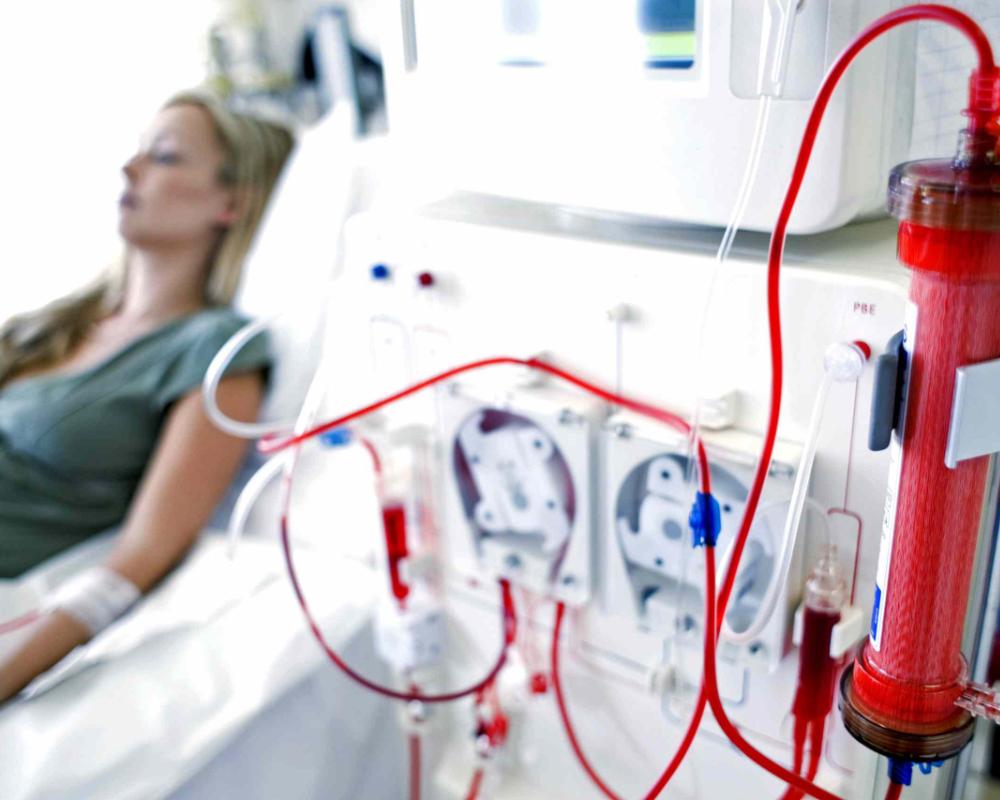
This approach uses a machine to act as an artificial kidney. Blood is gently drawn from a vascular access point (usually in your arm), pumped through an external filter called a dialyzer to clean out toxins and balance fluids, and then returned to your body. This is typically done three times a week at a clinic, though home hemodialysis options exist.
Peritoneal Dialysis
This therapy uses the lining of your own abdomen (the peritoneum) to filter your blood. A permanent catheter is placed in your abdomen, and a specialized cleansing fluid is washed in and out. The fluid absorbs waste products directly from the blood vessels lining your stomach area. This can often be done at home while you sleep, offering greater independence.
Kidney Transplantation
For many eligible candidates, a kidney transplant offers the highest quality of life and the best long-term outcomes. A healthy kidney can come from a deceased donor or a living donor (such as a relative, friend, or altruistic stranger). While it requires major surgery and a lifelong commitment to taking immunosuppressant medications to prevent organ rejection, it removes the need for dialysis entirely.
Lifestyle Modifications: Steps You Can Take Today
Beyond prescriptions and medical procedures, daily choices have a profound impact on the speed of kidney decline.
-
Avoid Over-the-Counter NSAIDs: Common pain relievers like ibuprofen, naproxen, and high-dose aspirin can actively reduce blood flow to the kidneys and cause acute damage. Switch to safer alternatives like acetaminophen, always under medical guidance.
-
Stay Physically Active: Aim for 150 minutes of moderate exercise per week, such as brisk walking. Regular movement helps control blood pressure, improves insulin sensitivity, and boosts your energy.
-
Quit Smoking: Tobacco use accelerates blood vessel damage throughout the body, including the delicate vessels inside your kidneys. Quitting smoking is one of the most direct ways to protect your cardiovascular and renal systems.
Finding Support and Coping
Living with a chronic medical condition takes a toll on your mental health. Stress, anxiety, and depression are common side effects of dealing with kidney disease. Do not isolate yourself. Seek out chronic kidney disease support groups, talk openly with your healthcare team, and consider speaking with a mental health professional who specializes in chronic illness. You are a whole person, not just a set of lab results.
Medical Disclaimer
The information provided in this article is for educational and informational purposes only and should not be construed as medical advice. Chronic renal failure and kidney disease are complex medical conditions that require individualized diagnosis, treatment, and monitoring by a qualified healthcare professional, such as a nephrologist or primary care physician. Always consult your doctor or a registered renal dietitian before making changes to your medications, diet, or lifestyle routine.