
Receiving a diagnosis of chronic renal failure—more commonly referred to today as chronic kidney disease (CKD)—can feel overwhelming. Many individuals facing this condition experience a quiet anxiety, wondering how their daily routines must change, whether they can stop the damage from worsening, or if they will inevitably face dialysis.
The good news is that the landscape of kidney care has shifted dramatically. With modern, evidence-based interventions, it is entirely possible to slow the progression of renal decline, protect your heart, and preserve your quality of life. This guide breaks down the essential clinical strategy on how to treat chronic renal failure, answering the urgent questions patients and families ask most.
1. Early-Stage Management: Protecting Existing Kidney Function
In the early stages of renal impairment (Stages 1 through 3), the primary objective is to preserve the remaining nephrons—the microscopic filtering units of the kidneys. Kidneys generally cannot regenerate scarred tissue, making early protective measures incredibly high-stakes.
Optimizing Blood Pressure and Cardiovascular Health
High blood pressure is both a primary cause and a direct consequence of kidney damage. When systemic blood pressure remains elevated, it strains the delicate capillaries within the kidney's filters (glomeruli).
Standard medical guidelines heavily emphasize the use of specific antihypertensive medications that offer targeted renal protection:
-
ACE Inhibitors (Angiotensin-Converting Enzyme inhibitors)
-
ARBs (Angiotensin II Receptor Blockers)
These classes of medication do more than lower systemic blood pressure; they selectively dilate the blood vessels leaving the kidney's filters, lowering the structural pressure inside the filtration system itself. This stabilization prevents further mechanical wear and tear on the organ.
Blood Sugar Control for Diabetic Nephropathy
If diabetes is the underlying driver of renal failure, managing blood glucose is non-negotiable. Chronic high blood sugar damages the blood vessels within the kidney over time. Modern clinical practice has been revolutionized by medications originally designed for type 2 diabetes that show massive benefits for kidney health:
-
SGLT2 Inhibitors: These medications alter how the kidneys process glucose, dropping internal kidney pressure and significantly slowing down functional decline.
-
GLP-1 Receptor Agonists: These help regulate metabolic health and significantly reduce systemic inflammatory markers that worsen kidney disease.
2. Dietary Adjustments: Working Closely with a Renal Dietitian
When filtering capacity drops, the accumulation of metabolic waste products in the blood begins to trigger symptoms like fatigue, nausea, and changes in taste. Adjusting your nutritional intake reduces the operational burden on your kidneys. Because nutritional needs change drastically depending on the stage of your condition, working with a specialized renal dietitian is critical.
The Balancing Act of Protein Intake
-
Pre-Dialysis (Stages 1–4): A lower-protein diet is often recommended. When your body metabolizes protein, it creates a waste product called urea. Restricting protein intake minimizes urea accumulation, which directly alleviates symptoms like nausea and fatigue.
-
On Dialysis (Stage 5): The requirement flips completely. Dialysis treatments filter out vital amino acids along with waste. Consequently, individuals on dialysis require a high-protein diet to prevent muscle wasting and malnutrition.
Managing Micronutrients: Sodium, Potassium, and Phosphorus
As filtration drops, your body struggles to maintain precise balance of critical minerals.
+--------------------------------------------------------------------------+
|                       CRITICAL RENAL MINERAL MANAGEMENT                  |
+-------------------+------------------------------------------------------+
| Mineral           | Clinical Management Strategy                         |
+-------------------+------------------------------------------------------+
| Sodium            | Limit to manage fluid retention, swelling (edema),   |
|                   | and blood pressure. Avoid processed foods.           |
+-------------------+------------------------------------------------------+
| Potassium         | Monitored closely via blood tests. High levels       |
|                   | can disrupt heart rhythms. May require limiting      |
|                   | bananas, potatoes, and tomatoes.                     |
+-------------------+------------------------------------------------------+
| Phosphorus        | Failing kidneys cannot excrete it, drawing calcium   |
|                   | from bones. Requires avoiding dark sodas and packaged|
|                   | foods, often using prescription phosphorus binders.  |
+-------------------+------------------------------------------------------+
3. Addressing the Complications of Advanced Kidney Decline
As renal failure progresses toward advanced stages, the drop in systemic filtration affects multiple organ systems. Treating the disease means managing these secondary complications aggressively.
Treating Anemia of Chronic Kidney Disease
Healthy kidneys produce a hormone called erythropoietin (EPO), which signals the bone marrow to manufacture red blood cells. Damaged kidneys produce progressively less EPO, leading directly to anemia. This explains the profound, unyielding fatigue that many advanced kidney patients experience. Treatment routinely involves synthetic EPO injections alongside specialized iron supplements to restore vitality and oxygen-carrying capacity.
Mineral and Bone Disorder
When the kidneys fail to activate Vitamin D and cannot clear phosphorus, a chemical imbalance signals the body to pull calcium directly out of the skeletal structure. Left unmanaged, bones become brittle and prone to fractures. Doctors counter this by prescribing active forms of Vitamin D and dietary phosphorus binders taken directly with meals.
Fluid Overload and Cardiovascular Edema
When the kidneys can no longer produce adequate urine, fluid pools in the extremities (peripheral edema) or shifts into the lungs, making breathing difficult. Physicians utilize carefully managed diuretic medications to encourage the kidneys to excrete excess water and sodium, protecting the heart from acute strain.
4. Advanced Interventions: Renal Replacement Therapy
When kidney function drops below 15% (Stage 5 or End-Stage Renal Disease), natural filtration is no longer sufficient to sustain life. At this juncture, the care plan pivots to options that actively replace or replicate kidney function.
Hemodialysis
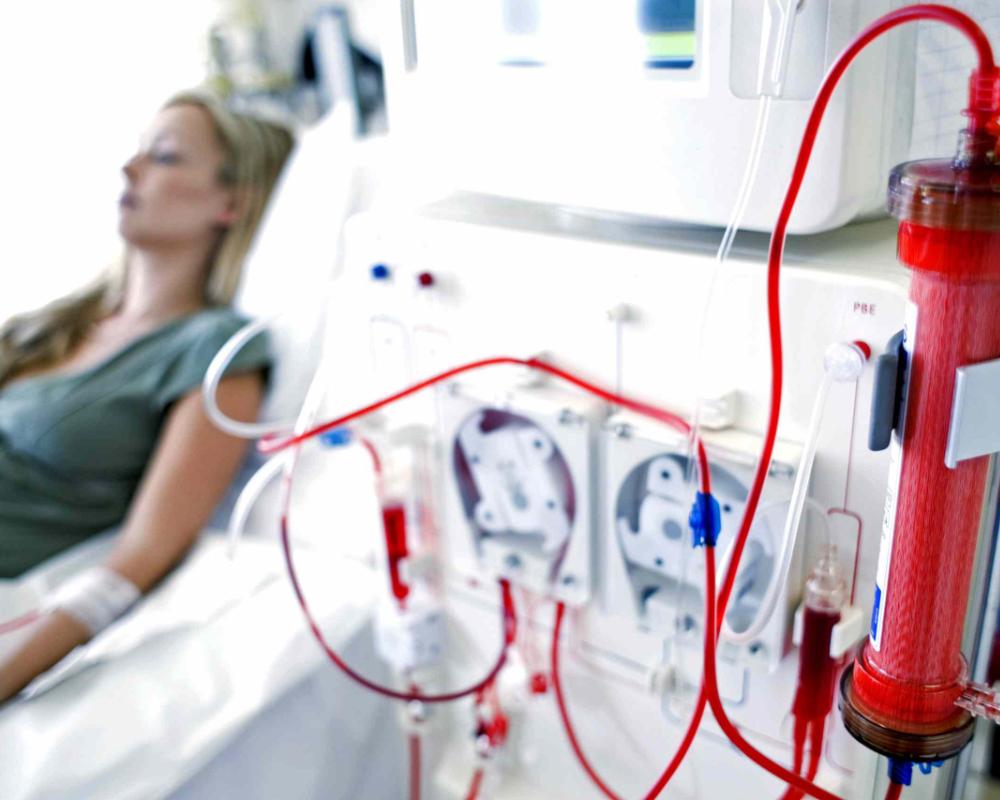
This method utilizes an external machine (an artificial kidney) to clean the blood. Blood is drawn from a surgically created vascular access point, cycled through a specialized filter (dialyzer) to strip away toxins and excess fluid, and returned to the body. This is typically performed three times a week at a specialized clinic, though home-based configurations are an option for some patients.
Peritoneal Dialysis
An alternative option that takes place entirely inside the body, utilizing the natural lining of your abdomen (the peritoneum) as the filter. A sterile cleaning solution is introduced into the abdominal cavity through a permanent catheter. The solution absorbs waste products directly from the surrounding blood vessels over several hours before being drained and replaced. This option offers far greater lifestyle flexibility, as it can be performed at home or overnight while sleeping.
Kidney Transplantation
For many qualified individuals, a kidney transplant represents the gold standard of treatment. A successful transplant replaces the need for dialysis entirely, restoring long-term freedom and vitality. The organ can originate from a living donor or a deceased donor. Receiving a transplant requires a commitment to taking lifelong immunosuppressant medications to ensure the body does not reject the new organ.
Comprehensive Conservative Management
Dialysis or transplantation may not be the optimal path for everyone, particularly for individuals navigating other severe health conditions. Conservative management focuses strictly on symptom control, keeping fluid balances comfortable, and maximizing daily quality of life without utilizing invasive filtration machines.
5. Daily Self-Care and Medication Stewardship
Beyond clinical procedures, daily lifestyle choices serve as the foundational floor for managing kidney disease.
-
Avoid Nephrotoxic Medications: Common over-the-counter pain relievers, specifically Non-Steroidal Anti-Inflammatory Drugs (NSAIDs) like ibuprofen and naproxen, reduce blood flow to the kidneys and can drastically accelerate renal failure. Opt for kidney-safe alternatives under explicit medical guidance.
-
Stay Physically Active: Aim for roughly 150 minutes of mild to moderate physical activity per week, such as walking or light gardening. Regular exercise stabilizes blood pressure and improves metabolic health.
-
Review All Supplements: Many herbal preparations and over-the-counter supplements contain hidden minerals or natural compounds that are actively toxic to damaged kidneys. Always clear new items with your care team.
Living with a chronic renal condition requires patience, close tracking, and an active partnership with a nephrologist. By taking a proactive approach to medication, diet, and lifestyle, you can exert immense control over the trajectory of your health.
Medical Disclaimer
The information provided in this article is for educational and informational purposes only and should not be construed as medical advice, diagnosis, or treatment. Chronic kidney disease and renal failure are complex medical conditions requiring precise, individualized clinical oversight. Always consult with a qualified physician, nephrologist, or licensed healthcare professional before making changes to your diet, medication regimen, or lifestyle choices.