
Receiving a chronic kidney disease (CKD) diagnosis can feel overwhelming. It is entirely normal to feel anxious, confused, or uncertain about the future. You might be wondering how this will impact your daily life, your energy levels, and your long-term health. The good news is that a kidney disease diagnosis is not a dead end. Instead, it is a powerful roadmap. Understanding exactly what to do if you have kidney disease allows you to take proactive control, slow down the progression of the condition, and protect your quality of life.
Your kidneys are your body's unsung heroes. These two bean-shaped organs constantly filter waste, excess fluid, and toxins out of your blood while regulating your blood pressure and balancing vital minerals. When they are damaged, waste products build up in the blood, which can make you feel fatigued, nauseous, or generally unwell.
By executing a proactive strategy built on clinical guidelines from organizations like the National Kidney Foundation (NKF), you can protect your remaining renal function. This comprehensive guide outlines the exact tactical steps you must take immediately following a diagnosis.
1. Interpret Your Lab Numbers and Staging
Before you can effectively treat kidney disease, you need to know exactly where you stand. Doctors classify chronic kidney disease into five distinct stages based on how well your organs are functioning. These stages are determined primarily by two crucial lab values.
-
eGFR (Estimated Glomerular Filtration Rate): This number tracks how well your kidneys filter waste. A normal eGFR is typically above 90. If your number drops below 60 for three consecutive months or longer, it indicates kidney disease.
-
uACR (Urine Albumin-to-Creatinine Ratio): This test checks for albumin, a type of protein, in your urine. Healthy kidneys keep protein in the blood. If your uACR is greater than 30 mg/g, it means your kidneys are leaking protein, which is an early sign of structural damage.
| Stage | eGFR Range | Kidney Function Level | Primary Clinical Objective |
| Stage 1 | 90 or higher | Normal function with signs of damage | Identify cause, manage risk factors |
| Stage 2 | 60 to 89 | Mildly decreased function | Monitor progression, optimize lifestyle |
| Stage 3 (3a/3b) | 30 to 59 | Moderately decreased function | Treat complications, slow down decline |
| Stage 4 | 15 to 29 | Severely decreased function | Prepare for renal replacement therapies |
| Stage 5 | Less than 15 | Kidney failure / End-stage renal disease | Dialysis, transplant, or conservative care |
What to look for: Always request a physical or digital copy of your lab work. Watch your eGFR trend over time rather than panicking over a single minor fluctuation. Consistent downward trends require immediate medical intervention.
2. Optimize Blood Pressure and Blood Sugar Control
The absolute single most critical thing you can do to preserve your kidney function is to closely control your cardiovascular health. High blood pressure (hypertension) and high blood sugar (diabetes) are the two leading causes of kidney failure worldwide. They damage the delicate, microscopic filtering units—called nephrons—inside your kidneys.
Target Your Blood Pressure Numbers
According to the Kidney Disease: Improving Global Outcomes (KDIGO) guidelines, most individuals with chronic kidney disease should aim for a systolic blood pressure target of 120 mmHg or less, if they can safely tolerate it without feeling dizzy.
To achieve this, your medical team will likely prescribe specific classes of blood pressure medications that pull double duty by actively protecting the kidneys:
-
ACE Inhibitors (e.g., lisinopril)
-
ARBs (Angiotensin Receptor Blockers, e.g., losartan)
These medications lower pressure inside the kidney's filtering units, slowing down long-term wear and tear.
Manage Blood Sugar Tight Loops
If you live with type 2 diabetes, keeping your hemoglobin A1C level close to your target (typically below 7.0%) is paramount. Modern treatment plans often utilize advanced medications like SGLT2 inhibitors (e.g., dapagliflozin). While originally developed to lower blood glucose, extensive clinical trials show these medications are profoundly effective at reducing stress on the kidneys and stopping the progression of renal decline, even for some individuals without diabetes.
3. Rebuild Your Plate with a Kidney-Safe Diet
What you put into your body directly impacts how hard your kidneys have to work. A kidney-friendly diet isn't about extreme deprivation; it is about strategic balance. Because your kidneys can no longer filter out electrolytes and protein byproducts as efficiently, modifying your nutritional intake is essential.
Strict Sodium Limits
Excess sodium causes your body to retain fluid, driving up your blood pressure and straining your kidneys. Aim to limit your daily sodium intake to less than 2,000 milligrams (roughly one teaspoon of table salt).
-
Avoid processed meats, frozen dinners, and canned soups.
-
Flavor your food with fresh herbs, garlic, and citrus instead of table salt.
-
Warning: Avoid commercial salt substitutes, as they are frequently formulated with potassium chloride, which can be highly dangerous for compromised kidneys.
Manage Protein Intake
When your body metabolizes protein, it creates a waste product called urea, which your kidneys must eliminate. Eating excessive amounts of protein forces your remaining nephrons to work in overdrive. Working closely with a registered renal dietitian can help you calculate your precise daily protein allowance. Many modern clinical protocols favor a transition toward high-quality, plant-based proteins, which generate fewer metabolic acids and place less structural strain on the renal system.
Watch Potassium and Phosphorus Levels
As kidney function declines (typically around Stage 3b and Stage 4), your body may struggle to balance potassium and phosphorus.
-
High Potassium: Can cause severe heart rhythm complications. If your lab results show elevated potassium, you may need to reduce your consumption of high-potassium foods like bananas, oranges, potatoes, and cooked spinach.
-
High Phosphorus: Pulls calcium out of your bones, making them weak and brittle. Be highly cautious of inorganic phosphorus additives frequently hidden in dark sodas, processed cheeses, and packaged baked goods.
4. Eliminate Kidney Toxins and Hidden Dangers
When you have kidney disease, your organs are highly vulnerable to acute injuries. Certain everyday products can accelerate kidney damage or trigger sudden drops in your eGFR.
-
Avoid Over-the-Counter NSAIDs: Non-steroidal anti-inflammatory drugs like ibuprofen, naproxen, and high-dose aspirin actively constrict the blood vessels supplying your kidneys. This sudden drop in blood flow can cause acute kidney injury (AKI) on top of your existing chronic condition. Use kidney-safe alternatives like acetaminophen for pain relief, but always clear medications with your physician first.
-
Be Mindful of Medical Contrast Dyes: If you need an imaging study like a CT scan or an MRI, notify the technician and radiologist that you have kidney disease. Intravenous iodinated contrast dyes can be toxic to vulnerable kidneys, particularly in advanced stages. Your healthcare team may need to provide pre-procedural hydration or select alternative diagnostic methods.
-
Vet All Supplements Safely: Many herbal supplements and heavy doses of certain vitamins contain hidden minerals or natural toxins that can heavily damage your filtration system. Never start a new supplement without explicit clearance from your care provider.
5. Build Your Interdisciplinary Medical Care Team
Managing chronic kidney disease requires a collaborative, multi-disciplinary approach. You are the captain of your health team, but you need the right experts supporting you.
                  [ YOUR HEALTH TEAM ]
                           │
         ┌─────────────────┼─────────────────┐
         ▼                 ▼                 ▼
[ Primary Care ]     [ Nephrologist ]   [ Renal Dietitian ]
Coordinates overall  Kidney specialist  Tailors specific
health & labs        for advanced care  nutritional plans
-
Primary Care Physician (PCP): Manages your everyday health, monitors routine lab work, and coordinates care for co-existing conditions like diabetes or high blood pressure.
-
Nephrologist: A specialized physician who focuses entirely on kidney health. If your eGFR drops below 30 (Stage 4), if you have a sudden unexplained drop in kidney function, or if your urine shows massive amounts of leaking protein, you should be referred to a nephrologist immediately to coordinate specialized care.
-
Registered Renal Dietitian: Translates complex laboratory trends into highly customized, delicious daily meal plans that protect your organs while ensuring you receive adequate nutrition.
6. Prepare Proactively for the Future
For the vast majority of individuals diagnosed in the early stages, aggressive lifestyle and medical management can successfully prevent the disease from ever progressing to kidney failure. However, if your kidney function continues to slowly decline toward Stage 4 or Stage 5, taking a proactive, educated approach to future care models is key.
Understanding your options well in advance prevents emergency scenarios and gives you maximum autonomy over your treatment path. The three primary pathways for advanced kidney care include:
-
Kidney Transplantation: Often considered the gold standard for individuals reaching end-stage renal failure. A successful transplant from a living or deceased donor can fully restore normal kidney function and eliminate the need for ongoing dialysis treatments. Exploring transplant center evaluations early—even before reaching Stage 5—can dramatically reduce your eventual wait time.
-
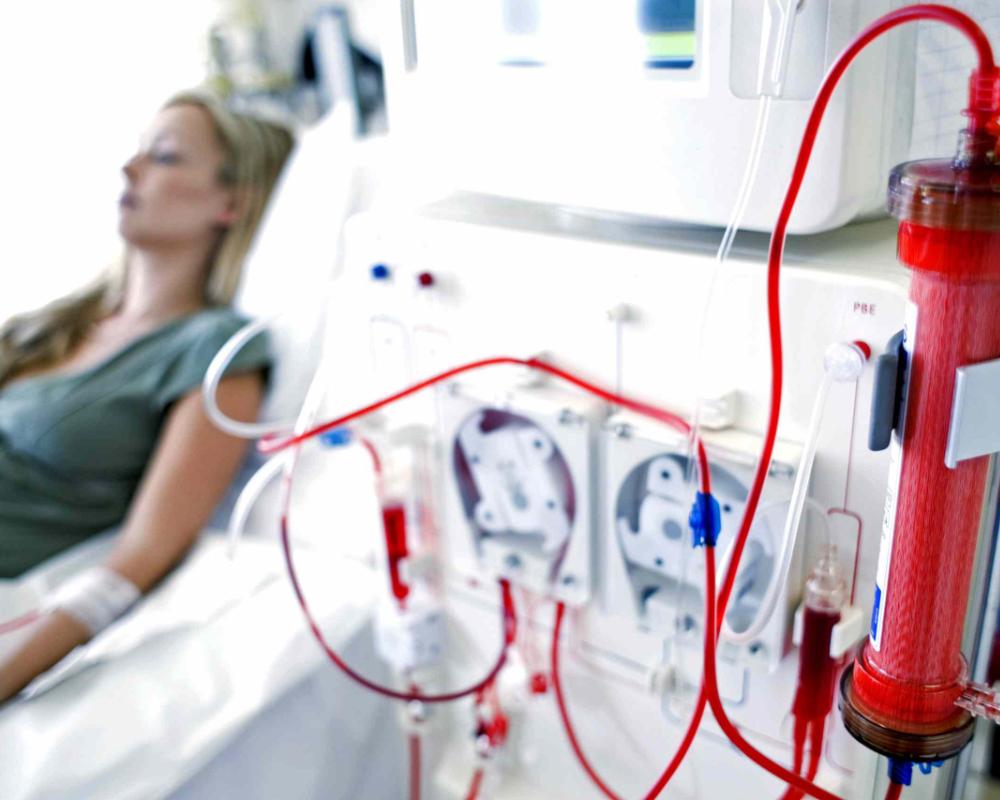
Dialysis Therapy: When the kidneys can no longer sustain life on their own, dialysis works to artificially filter the bloodstream. This can be accomplished via hemodialysis (utilizing a specialized external machine, typically done three times per week in a center or at home) or peritoneal dialysis (using the natural lining of your abdomen to filter waste, which is frequently completed overnight in the comfort of your own home).
-
Conservative Medical Management: Also known as supportive or palliative care, this pathway focuses entirely on optimizing comfort, reducing symptoms, and preserving overall lifestyle quality without introducing invasive dialysis or surgical transplantation procedures.
Living with kidney disease requires deliberate consistency, continuous learning, and active self-advocacy. By tracking your lab work, aggressively managing your blood pressure, eating a tailored diet, and protecting your organs from harmful toxins, you can successfully preserve your renal health and confidently look forward to a bright, active future.
Medical Disclaimer
The information presented in this article is intended strictly for educational and informational purposes. It does not constitute formal medical advice, diagnosis, or treatment guidelines. Chronic kidney disease is a highly complex medical condition that requires individualized monitoring. Always consult with a qualified physician, nephrologist, or registered healthcare provider before making changes to your therapeutic plan, medication dosages, or dietary habits.