Hearing that you or someone you love has been diagnosed with chronic kidney disease (CKD) triggers immediate, heavy anxiety. If you have been searching online to ask can you die from kidney disease, you are looking for straightforward, honest, and medically accurate answers to help ease that fear.
The direct answer is yes, kidney disease can be fatal. However, that simple "yes" leaves out context. Millions of people live with CKD for decades without it ever becoming a death sentence.
An essential truth about kidney disease changes how we view the condition: most people with chronic kidney disease do not die from kidney failure itself. Instead, they are at a much higher risk of dying from cardiovascular complications, like heart attacks or strokes, caused by the extra strain the disease places on the body.
The Link Between Kidney Disease and Mortality
Your kidneys act as your body’s internal filtration system. They process about 200 quarts of blood daily to sift out waste products, excess water, and toxins. When kidneys are damaged, these toxins build up in your bloodstream, a state known as uremia.
According to data from the Centers for Disease Control and Prevention (CDC), roughly 14% of U.S. adults—about 37 million people—live with CKD. Alarmingly, nearly 90% of them do not even know they have it because early-stage kidney disease rarely shows obvious symptoms.
When the kidneys fail to filter blood efficiently, the body retains excess fluid and sodium. This creates a severe ripple effect:
-
High Blood Pressure: The extra fluid volume elevates blood pressure, putting intense pressure on artery walls.
-
Vascular Calcification: Advanced kidney disease alters how your body processes minerals, causing calcium to deposit directly into your blood vessels, stiffening them.
-
Heart Strain: The heart must pump significantly harder to move blood through damaged, stiffened vessels, which can lead to congestive heart failure.
Because of these connected systems, a person with stage 3 or stage 4 kidney disease is statistically far more likely to experience a fatal cardiac event than they are to progress to total kidney failure.
How Long Can You Live With Kidney Disease?
Your life expectancy depends heavily on the stage of your diagnosis, your age, and how well your underlying conditions are managed. Doctors measure kidney function using the Estimated Glomerular Filtration Rate (eGFR), which tells them how efficiently your kidneys filter waste.
Stage 1 and Stage 2 CKD (eGFR 90 or higher / 60–89)
In these early stages, kidney damage is mild. Your kidneys are still doing an excellent job of filtering your blood. If you discover CKD at this point, your life expectancy is often completely unaffected. With simple lifestyle adjustments and blood pressure management, you can prevent the disease from progressing entirely.
Stage 3 CKD (eGFR 30–59)
Stage 3 is a critical turning point and is split into Stage 3A (mild to moderate decline) and Stage 3B (moderate to severe decline). At this point, you may start noticing mild symptoms like fatigue, slight swelling in the ankles, or changes in how often you urinate.
Statistical surveys indicate that the 10-year survival rate for individuals diagnosed with Stage 3 kidney disease ranges from 50% to over 90%, heavily dictated by whether the patient manages their blood pressure and diabetes. Many people stay in Stage 3 for the rest of their lives without ever needing dialysis.
Stage 4 CKD (eGFR 15–29)
This indicates severe kidney damage. Your kidneys are functioning at a fraction of their normal capacity. Symptoms become more pronounced and may include noticeable swelling (edema), shortness of breath, nausea, and brain fog. Life expectancy is reduced at this stage, but strict medical intervention can still delay the final stage for years.
Stage 5 CKD / Kidney Failure (eGFR below 15)
Also known as End-Stage Renal Disease (ESRD), this is the point where life cannot be sustained without medical intervention. Toxins build up rapidly in the blood, leading to severe complications.
End-Stage Renal Disease: Dialysis vs. Kidney Transplant
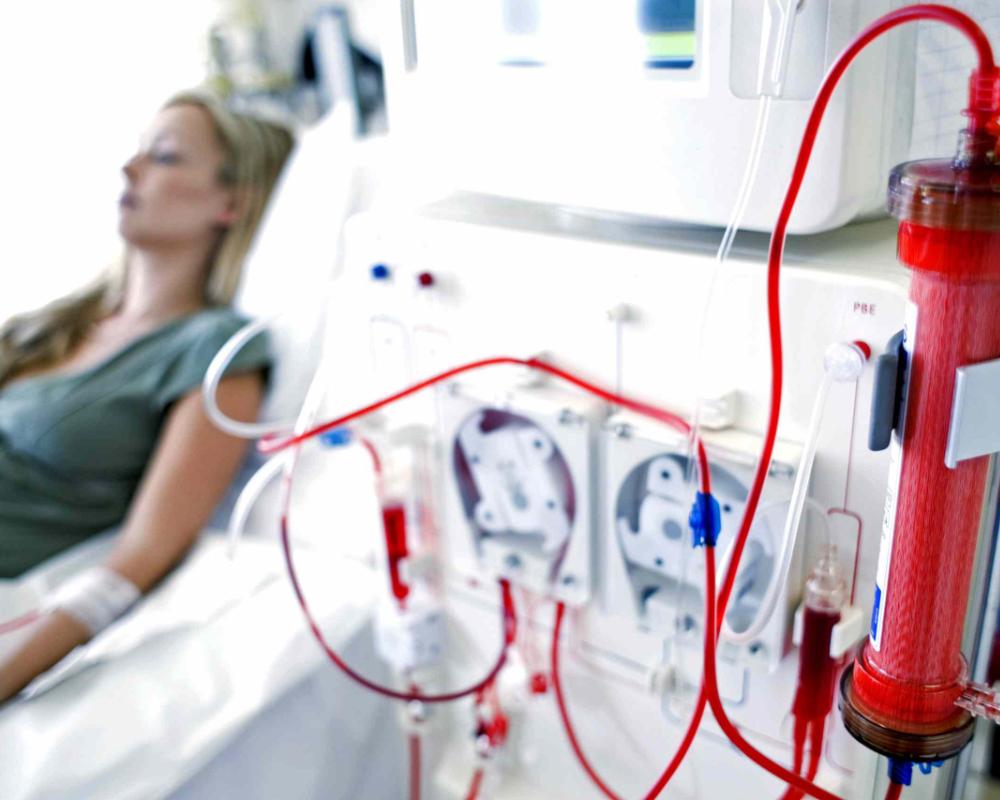
When a person reaches Stage 5, they must choose a path for kidney replacement therapy. The choice they make drastically impacts both their quality of life and their life expectancy.
| Treatment Option | Average Life Expectancy | Key Considerations |
| Hemodialysis / Peritoneal Dialysis | 5 to 10 years (varies by age) | Safely filters blood mechanically but places continuous, heavy stress on the cardiovascular system over time. |
| Kidney Transplant (Living Donor) | 15 to 20+ years | Offers the best long-term survival rates and restores a near-normal lifestyle, though requires lifelong immunosuppressant drugs. |
| Kidney Transplant (Deceased Donor) | 10 to 15 years | Excellent survival advantage over dialysis, though the wait time for a matching organ can take several years. |
Can You Die Suddenly From Kidney Failure?
While chronic kidney disease is a slow, progressive illness, a separate condition called Acute Kidney Injury (AKI) can cause sudden, life-threatening kidney failure within a matter of hours or days.
AKI typically happens as a secondary complication to an existing medical emergency, such as severe sepsis (a blood infection), a major heart attack, severe dehydration, or toxic medication reactions. When AKI strikes, the sudden loss of kidney function causes potassium levels in the blood to spike rapidly (hyperkalemia). High potassium disrupts the electrical signals in your heart, which can cause sudden cardiac arrest and death.
Up to 50% of patients who develop severe AKI while in a hospital intensive care unit do not survive, making immediate medical intervention critical.
Red Flag Symptoms You Should Never Ignore
If you or a loved one has been diagnosed with kidney issues, you must know when a symptom shifts from a typical daily annoyance to an immediate medical emergency. Seek emergency medical care if you experience any of the following:
-
Sudden Shortness of Breath: This can mean fluid is actively backing up into your lungs (pulmonary edema).
-
Chest Pain or Pressure: A warning sign of a heart attack or pericarditis (inflammation of the sac surrounding the heart due to toxin buildup).
-
Severe Heart Palpitations: A fluttery or skipping heartbeat can indicate dangerous potassium spikes.
-
Confusion, Extreme Lethargy, or Seizures: Signs that uremic toxins have begun affecting brain function.
-
A Total Cessation of Urination: Indicates your kidneys have completely stopped processing fluids.
Taking Control: How to Protect Your Kidneys and Extend Your Life
While the statistics can feel overwhelming, you are not powerless. The progression of chronic kidney disease can be significantly slowed, and in some cases halted, through intentional, daily health management.
1. Rigorous Blood Pressure and Blood Sugar Control
Diabetes and high blood pressure are the primary causes of kidney failure. Work with your doctor to keep your blood pressure below 130/80 mmHg. If you have diabetes, managing your A1C levels protects the delicate blood vessels inside your kidneys from further degradation.
2. Medication Management
Many common over-the-counter medications are nephrotoxic, meaning they damage kidney cells. Avoid frequent use of Non-Steroidal Anti-Inflammatory Drugs (NSAIDs) like ibuprofen and naproxen. Always consult your nephrologist (kidney doctor) before starting any new medication or herbal supplement.
3. Adopt a Kidney-Friendly Diet
As kidney function declines, your body struggles to process certain minerals. A kidney-safe diet typically requires:
-
Reducing Sodium: Lowers fluid retention and reduces blood pressure.
-
Monitoring Potassium and Phosphorus: Prevents dangerous heart rhythms and protects bone health.
-
Managing Protein Intake: Consuming the right amount of high-quality protein reduces the workload on your filtering units.
Kidney disease is serious, and it does carry a real risk of mortality. But a diagnosis is a roadmap, not a final conclusion. By understanding how the kidneys affect the rest of your body—especially your heart—and actively working with your healthcare team, you can take control of your health, protect your remaining kidney function, and live a long, fulfilling life.
Medical Disclaimer
The information provided in this article is for educational and informational purposes only and should not be construed as medical advice, diagnosis, or treatment.
Kidney disease is a complex medical condition that requires individualized care. Always seek the advice of your physician, nephrologist, or other qualified healthcare provider with any questions you may have regarding a medical condition, dietary changes, or treatment plans. Never disregard professional medical advice or delay in seeking it because of something you have read online. If you are experiencing symptoms of a medical emergency, such as sudden shortness of breath, chest pain, or severe heart palpitations, seek immediate emergency medical attention.