The Reality of Kidney Health: Can Kidney Disease Be Cured?
If you or a loved one has recently been diagnosed with kidney disease, or if a routine blood test showed elevated creatinine levels, your mind is likely racing with questions. The biggest one usually is: Can kidney disease be cured?
Hearing that your kidneys are struggling is frightening. It is completely normal to feel overwhelmed, anxious, or even a bit defeated. The internet is full of conflicting information, promising miracle herbal cures on one page and delivering bleak statistics on the next.
To give you the direct answer right away: Whether kidney disease can be cured depends entirely on the type of kidney injury you have.
-
Acute Kidney Injury (AKI): This is a sudden, temporary loss of kidney function. It can often be completely reversed or "cured" if the underlying cause is treated quickly.
-
Chronic Kidney Disease (CKD): This is a long-term, progressive condition. Damage to the kidney filters develops slowly over months or years. Once nephrons (the tiny filtering units inside your kidneys) are scarred and destroyed, they cannot regenerate. Therefore, CKD cannot be cured.
However, "no cure" does not mean "no hope." Far from it. With modern medicine, targeted dietary shifts, and proper management, you can slow down the progression of chronic kidney disease, prevent kidney failure, and live a long, vibrant life.
Acute Kidney Injury vs. Chronic Kidney Disease
To truly answer the question of a cure, we have to look at how the kidney damage happened in the first place. Medical professionals divide kidney disease into two primary categories.
Acute Kidney Injury (AKI)
AKI is like a sudden glitch in the system. It happens rapidly—often within a few hours or days. It is usually triggered by a severe event, such as:
-
Severe dehydration or heatstroke
-
Major blood loss or physical trauma
-
Severe infections (like sepsis)
-
Certain medications or toxins that poison the kidneys (nephrotoxicity)
Because the underlying architecture of the kidney isn't permanently scarred right away, treating the root cause (like giving IV fluids for dehydration or stopping the offending drug) allows the kidneys to heal. In many cases, kidney function returns entirely to normal.
Chronic Kidney Disease (CKD)
CKD is different. It is a slow, silent process that takes place over years. Think of it less like a sudden accident and more like wear-and-tear on a highway. The two leading causes of CKD are high blood pressure (hypertension) and diabetes.
Over time, high blood sugar and high pressure damage the delicate blood vessels in the kidneys. Once these filters are scarred, they lose their ability to clean your blood. Because human bodies cannot grow new nephrons, this structural damage is permanent.
The Stages of Chronic Kidney Disease (CKD)
Doctors measure kidney function using a metric called eGFR (Estimated Glomerular Filtration Rate). Your eGFR number essentially tells you what percentage of your kidney capacity is working normally. CKD is broken down into five distinct stages based on this number.
| Stage | eGFR Range | Meaning | Clinical Focus |
| Stage 1 | 90 or higher | Normal function, but signs of kidney damage (like protein in urine) | Identify cause, manage blood pressure |
| Stage 2 | 60 to 89 | Mild loss of kidney function | Monitor progression, lifestyle changes |
| Stage 3 | 30 to 59 | Moderate loss of kidney function | Manage complications, adjust medications |
| Stage 4 | 15 to 29 | Severe loss of kidney function | Prepare for potential kidney replacement therapy |
| Stage 5 | Less than 15 | Kidney failure (End-Stage Renal Disease) | Dialysis or kidney transplantation |
When people ask if kidney disease can be cured, they are often in Stages 1, 2, or 3. In these early-to-moderate stages, your primary goal is remission and stabilization, not a cure. If you can keep your eGFR stable at 45 for the next twenty years, you have successfully managed the disease, even without a cure.
Why Can’t Chronic Kidney Disease Be Cured? The Cellular Problem
To understand why a cure remains elusive, we have to look at the microscopic structure of the kidney. Each kidney contains about one million nephrons. Inside each nephron is a tiny cluster of blood vessels called a glomerulus, which acts as a molecular sieve.
When these sieves are exposed to chronic inflammation, high hydrostatic pressure, or toxicity, they undergo a process called glomerulosclerosis (scarring of the kidney tissue).
The Cellular Reality: Unlike skin cells or liver tissue, which can regenerate after an injury, adult kidney cells have a highly limited capacity to multiply. Once a glomerulus is replaced by scar tissue, that specific filtering unit is gone forever.
If too many nephrons stop working, the remaining healthy nephrons have to work twice as hard to pick up the slack. This overwork causes them to burn out faster, creating a progressive loop of declining kidney function.
If There Is No Cure, What Can You Do?
While you cannot reverse existing structural scars, you can absolutely protect the healthy kidney tissue you have left. The strategy for managing CKD relies on a multi-pronged approach that targets the root drivers of kidney stress.
1. Tight Management of Blood Sugar and Blood Pressure
If diabetes or hypertension caused the damage, controlling them is your absolute best defense.
-
Blood Pressure: Keeping your blood pressure below your doctor’s target (often less than 130/80 mmHg) drastically reduces the physical stress on your kidney filters.
-
Blood Sugar: Keeping your Hemoglobin A1c in check prevents sugar molecules from chemically damaging the delicate blood vessel linings in your nephrons.
2. Medical Therapies and Kidney-Protective Drugs
In recent years, nephrology has seen massive breakthroughs in medications that protect the kidneys.
-
ACE Inhibitors and ARBs: These standard blood pressure medications do something special: they dilate the blood vessels leaving the kidney, which lowers the internal pressure inside the filtering units.
-
SGLT2 Inhibitors: Originally designed as diabetes medications, clinical trials have proven that these drugs significantly reduce the risk of CKD progression, even in people without diabetes. They act like a relief valve for overworked nephrons.
3. The Kidney-Friendly Diet Shift
What you eat directly changes the workload placed on your kidneys. Because the kidneys are responsible for filtering out metabolic waste products, a specialized diet can give them a much-needed break.
-
Sodium Reduction: Excess sodium raises blood pressure and forces the kidneys to retain water, putting immense strain on your cardiovascular system. Aim for fresh, whole foods instead of processed products.
-
Protein Management: Breaking down dietary protein creates a waste product called urea. If you have advanced CKD, eating massive amounts of protein can overload your kidneys. Your doctor or a renal dietitian might recommend switching toward high-quality, plant-based proteins.
-
Phosphorus and Potassium Monitoring: As kidney function drops, the body struggles to balance these minerals. High phosphorus can weaken your bones, while high potassium can cause dangerous heart rhythms.
Facing the Advanced Stages: Dialysis and Transplantation
If chronic kidney disease progresses to Stage 5, it means the kidneys can no longer keep up with the basic demands of filtering waste and maintaining fluid balance. This is called Kidney Failure or End-Stage Renal Disease (ESRD).
While ESRD is a severe medical diagnosis, it is not a death sentence. There are two primary treatments that step in to perform the work your kidneys can no longer do.
Dialysis
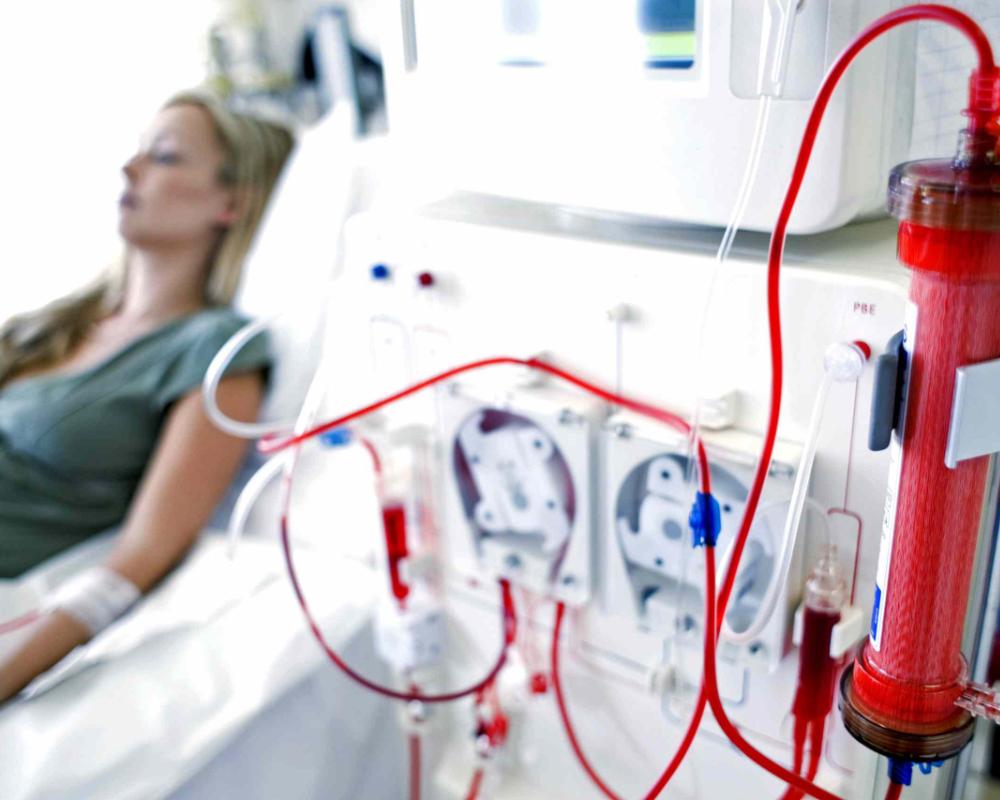
Dialysis is a life-sustaining treatment that artificially filters your blood. There are two main types:
-
Hemodialysis: Your blood is pumped out of your body, run through a machine called a dialyzer (an artificial kidney) to clean out toxins and excess fluid, and then returned to you. This is typically done three times a week at a clinic.
-
Peritoneal Dialysis: This type uses the lining of your own abdomen (the peritoneum) to filter your blood inside your body. A special fluid is washed in and out of your abdomen daily, often while you sleep at home.
Kidney Transplantation
A kidney transplant is the closest thing medicine has to a functional cure for kidney failure. During surgery, a healthy kidney from a living or deceased donor is placed into your body.
A successful transplant allows you to live without the restrictions of dialysis. However, it still requires lifelong medical management; you must take daily immunosuppressant medications to prevent your immune system from rejecting the new, foreign organ.
Debunking Alternative Myths: Beware of False Cures
When people are desperate for a solution, they become vulnerable to predatory marketing. If you search online, you will find endless supplements, alkaline water lines, and herbal protocols claiming they can "reverse kidney damage naturally" or "cure kidney disease without doctors."
Please exercise extreme caution. Many herbal supplements are highly dangerous for people with kidney disease.
Because your kidneys cannot filter toxins efficiently, concentrated herbs can build up rapidly in your bloodstream, causing acute toxicity and accelerating kidney failure. Always run every single vitamin, supplement, or over-the-counter medication past your nephrologist before taking it.
The Path Forward: Hope Through Management
Discovering that chronic kidney disease cannot be cured is difficult news to process. But it is vital to shift your mindset from curing to controlling.
Many people diagnosed with early-stage CKD live decades without ever needing dialysis. By working hand-in-hand with a nephrologist, eating a thoughtful diet, taking kidney-protective medications, and keeping your blood pressure stable, you take back control of your health. Your kidneys are resilient, and protecting what you have today is the key to a healthy tomorrow.
Medical Disclaimer
This article is for informational and educational purposes only. It does not constitute medical advice, diagnosis, or treatment. Kidney disease is a complex condition that requires individualized medical care. Always consult with a qualified healthcare professional, physician, or nephrologist before making any changes to your diet, medication regimen, lifestyle, or treatment plan.