Hearing that you or someone you love has been diagnosed with a chronic illness brings an overwhelming flood of emotions. One of the most urgent, frightening questions that instantly comes to mind is simply: Is chronic kidney disease fatal?
It is completely natural to feel scared. When an organ as vital as your kidneys is compromised, the mind naturally jumps to the worst-case scenario. To answer the question directly: Chronic kidney disease (CKD) itself is not an immediate death sentence. It is a progressive, long-term condition. While advanced, untreated kidney failure is fatal, millions of people diagnosed with early-stage CKD live full, long lives without ever reaching that point.
The real key to managing CKD lies in catch-it-early intervention. By understanding how the disease moves through different phases, what causes it to accelerate, and how to protect your body, you can actively alter its trajectory.
What Happens to the Body in Chronic Kidney Disease?
To understand how CKD affects your lifespan, it helps to look at what these two bean-shaped organs actually do. Your kidneys are your body's ultimate filtration system. Every day, they process about 200 quarts of blood to filter out waste products, toxins, and excess water. They also regulate your blood pressure, signal your bone marrow to produce red blood cells, and maintain the delicate balance of minerals like potassium, calcium, and sodium.
When you develop chronic kidney disease, the kidneys suffer gradual, permanent structural damage. Over months or years, their filtering units—called nephrons—scar and lose functionality. As a result:
-
Waste buildup: Toxins remain in your bloodstream instead of exiting through urine, a condition known as uremia.
-
Fluid retention: Your body struggles to eliminate extra water, causing swelling in your legs, ankles, or lungs.
-
Systemic imbalance: Blood pressure skyrockets, bones weaken, and red blood cell production drops, leaving you chronically exhausted.
The rate at which this damage occurs varies heavily from person to person. This progress is tracked through five distinct stages based on an estimated Glomerular Filtration Rate (eGFR) test, which measures how many milliliters of blood your kidneys clean per minute.
The 5 Stages of CKD and Lifespan Impact
A diagnosis of CKD does not mean your kidneys are on the verge of stopping tomorrow. The impact on your long-term health depends almost entirely on which stage you are currently in and how quickly the disease is progressing.
Early Stages (Stages 1 to 3)
In Stage 1 (eGFR greater than 90) and Stage 2 (eGFR 60–89), kidney function is normal or slightly reduced. There are usually zero physical symptoms. At this phase, CKD has virtually no impact on your life expectancy, provided the underlying cause is addressed.
Stage 3 (eGFR 30–59) is divided into 3a and 3b. This is a critical crossroads. At this point, you have mild-to-moderate kidney damage. While it does begin to statistically shorten life expectancy compared to someone with perfectly healthy organs, the vast majority of people in Stage 3 do not progress to kidney failure. With proper blood pressure control and dietary changes, many people remain stable in Stage 3 for decades.
Advanced Stages (Stages 4 and 5)
Stage 4 (eGFR 15–29) represents severe kidney damage. Symptoms like fatigue, nausea, and swelling become noticeable. This stage requires intensive medical oversight because it is the final buffer before complete failure.
Stage 5 (eGFR less than 15) is also known as End-Stage Renal Disease (ESRD) or kidney failure. At this juncture, the kidneys can no longer keep you alive on their own. Without medical intervention, Stage 5 CKD is fatal, typically within days to a few weeks, due to the severe buildup of toxic waste and fluid overload in the body.
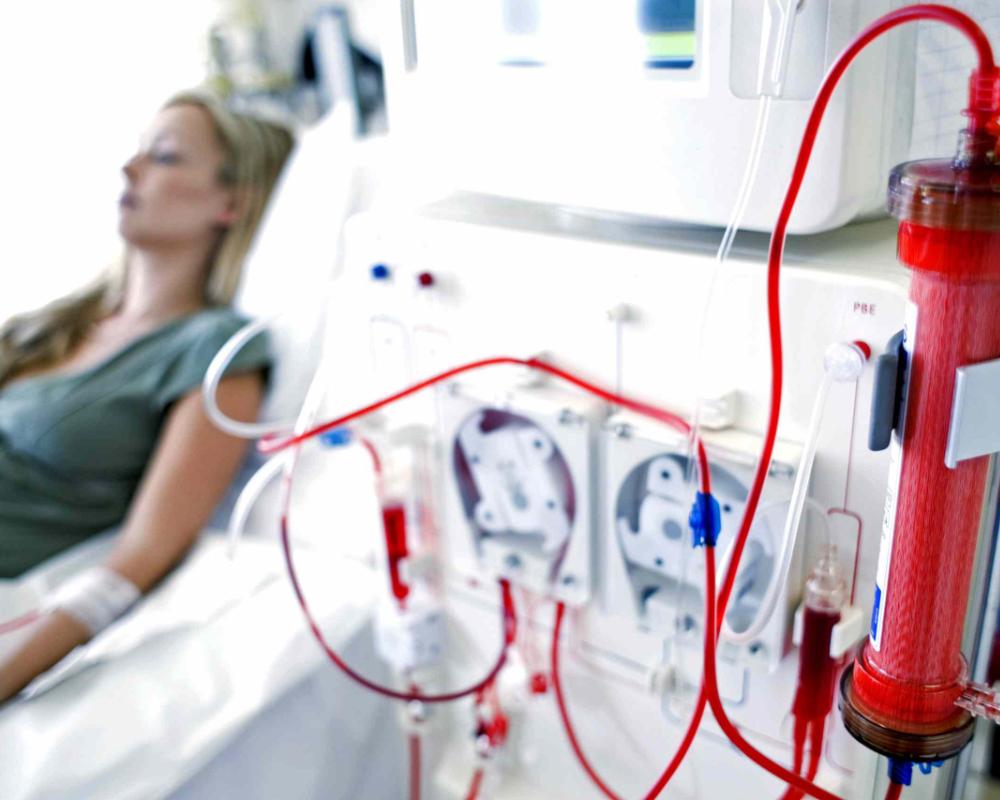
However, "untreated" is the key word. Stage 5 is highly treatable through renal replacement therapies:
| Treatment Type | How It Works | Impact on Survival |
| Hemodialysis | A machine filters your blood at a clinic or home 3–4 times a week. | Life-sustaining; 5-year survival rates sit around 35–50%, though many live much longer. |
| Peritoneal Dialysis | The lining of your abdomen is used to filter blood daily via a catheter. | Offers comparable survival rates to hemodialysis with greater lifestyle flexibility. |
| Kidney Transplant | A healthy kidney from a living or deceased donor replaces failed organs. | The gold standard. 5-year survival rates jump above 80%, drastically extending life expectancy. |
The Hidden Danger: Cardiovascular Complications
When looking at the statistics, an unexpected truth emerges about kidney health: Most people with early-to-moderate CKD do not pass away from kidney failure. Instead, they face a much higher risk of dying from cardiovascular disease.
The heart and the kidneys share a deeply codependent relationship. Think of them as a closed plumbing system. When the kidneys are damaged, they cannot properly regulate blood pressure. The resulting high blood pressure forces your heart to pump harder, damaging blood vessels throughout the body. Furthermore, the fluid retention and mineral imbalances caused by CKD place immense strain on the cardiovascular system.
This means that protecting your life when you have CKD isn't just about protecting your kidneys—it is equally about protecting your heart. Managing cholesterol, maintaining a healthy weight, and stopping smoking are critical lifelines for a kidney patient.
Primary Triggers and Accelerated Progression
To keep CKD from becoming life-threatening, you must pinpoint and aggressively manage what caused the damage in the first place. Two primary chronic conditions account for up to two-thirds of all CKD cases:
-
Diabetes: Consistently high blood sugar levels acts like sandpaper inside your blood vessels, gradually destroying the delicate filters within the kidneys (diabetic nephropathy).
-
Hypertension (High Blood Pressure): Chronic high pressure stretches and weakens the renal arteries, reducing blood supply to the kidneys and causing tissue scarring.
Other conditions like glomerulonephritis (inflammation of the kidney filters), polycystic kidney disease (a genetic condition causing cysts), and the prolonged use of certain medications like over-the-counter NSAID pain relievers (ibuprofen, naproxen) can also cause rapid declines in function.
Actionable Steps to Protect Your Kidneys and Extend Life
If you are living with a CKD diagnosis, you are far from powerless. There are evidence-backed strategies you can implement right now alongside your nephrologist to slow down tissue damage and safeguard your long-term health.
-
Aggressively Optimize Blood Pressure and Blood Sugar: Keep your blood pressure below your doctor’s target (often 130/80 mmHg). If you have diabetes, strict management of your A1C levels is the single most effective way to prevent progression.
-
Adopt a Kidney-Conscious Diet: Work with a renal dietitian. In later stages, you may need to reduce your intake of sodium, potassium, and phosphorus. Keeping protein intake moderate can also reduce the workload on your remaining healthy nephrons.
-
Review Your Medications Safely: Always consult your care team before taking any new medication, supplement, or herbal remedy. Common painkillers like ibuprofen can act as direct toxins to already strained kidneys.
-
Stay Active and Hydrated: Regular, moderate exercise lowers blood pressure and protects cardiovascular health. Unless you are in advanced stages and have been placed on a strict fluid restriction by your doctor, stay consistently hydrated to help your kidneys clear waste easily.
Receiving a kidney disease diagnosis is incredibly stressful, but the numbers prove that proactive care changes lives. Talk openly with your physician, get your eGFR tracked regularly, and focus on the daily lifestyle adjustments that keep both your heart and your kidneys filtering safely for years to come.
Medical Disclaimer
The information provided in this article is for educational and informational purposes only and should not be construed as medical advice, diagnosis, or treatment. Chronic kidney disease is a complex medical condition that requires individualized clinical oversight. Always seek the advice of a qualified physician, nephrologist, or other licensed healthcare provider with any questions you may have regarding a medical condition, dietary changes, or treatment options. Never disregard professional medical advice or delay seeking it because of something you have read online.