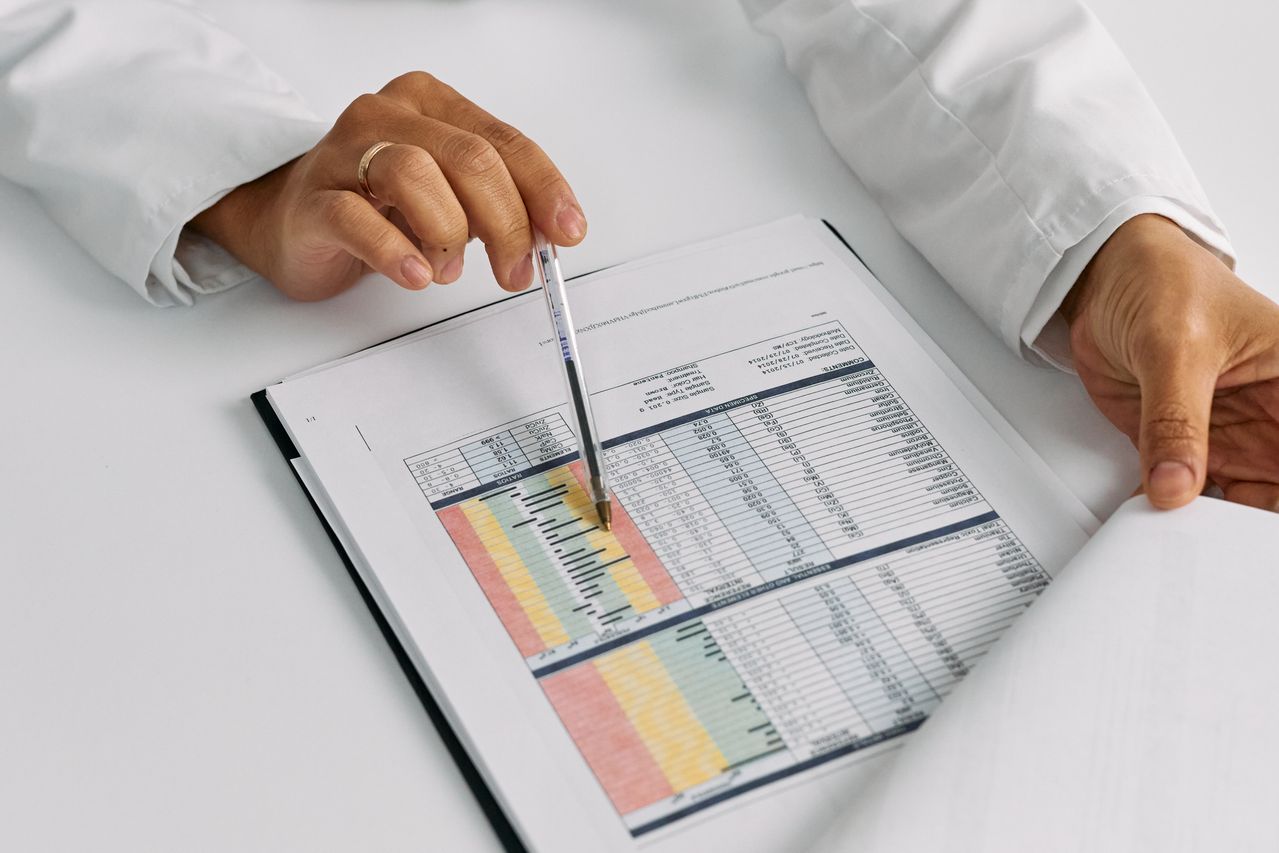
Finding out that you or a loved one has chronic kidney disease (CKD) is often a stressful experience. For many, the anxiety begins the moment a lab report arrives in an online portal, showing a confusing abbreviation: eGFR (estimated Glomerular Filtration Rate), followed by a number that seems to be dropping.
It is completely natural to feel overwhelmed. You might immediately wonder: Does this mean I need dialysis? Can I reverse this? What did I do wrong?
Let’s take a deep breath. First, your kidneys are incredibly resilient, and a lower-than-normal GFR reading is not an immediate medical emergency. Rather, it is a roadmap. It tells your healthcare team exactly how your kidneys are performing and, more importantly, how to protect them from further damage.
To help make sense of these numbers, let us break down exactly what GFR is, explore the five stages of chronic kidney disease, and look at practical steps you can take today to protect your health.
When looking at the visual above, pay close attention to how the stages are categorized. The red portions of the kidneys represent the gradual decline in filtration capacity as you move from Stage 1 to Stage 5. This visual guide mirrors the GFR percentages, showing why medical interventions shift from prevention in the early stages to active replacement therapy in the final stage.
What Exactly is GFR?
To understand kidney disease, we first have to understand what kidneys do. Your kidneys are your body's sophisticated filtration system. Inside each kidney are about a million tiny filtering units called nephrons. Within these nephrons are microscopic clumps of blood vessels called glomeruli.
Your Glomerular Filtration Rate (GFR) is a calculation of how much blood these tiny filters clean every minute.
-
Normal GFR: In healthy young adults, a normal GFR is typically around 90 to 120 mL/min/1.73 m².
-
eGFR vs. GFR: Because measuring actual filtration directly is incredibly complex, doctors use an estimated GFR (eGFR). This estimate is calculated using a simple blood test that measures creatinine—a waste product from normal muscle breakdown. Your age, biological sex, and body size are then factored in to estimate your true kidney function.
Key Takeaway: Think of your GFR like a battery percentage for your kidneys. A higher number means more energy and filtering capacity, while a lower number indicates that the filters are working at a reduced pace.
The 5 Stages of Chronic Kidney Disease based on GFR
Doctors use your eGFR to place chronic kidney disease into five distinct stages. This staging system helps nephrologists (kidney specialists) determine the best treatment plan to preserve your remaining kidney function.
| CKD Stage | Description | GFR Range (mL/min/1.73 m²) | What it Means for Your Body |
| Stage 1 | Normal or high kidney function with signs of kidney damage | 90 or higher | Kidneys work fine, but urine tests show protein, or imaging shows physical damage. |
| Stage 2 | Mildly decreased kidney function with signs of kidney damage | 60 to 89 | Mild decline in filtering speed; typically asymptomatic. |
| Stage 3a | Mild-to-moderate decrease in function | 45 to 59 | Early moderate kidney disease. Some waste may begin building up. |
| Stage 3b | Moderate-to-severe decrease in function | 30 to 44 | Late moderate kidney disease. Symptoms like fatigue or mild swelling can appear. |
| Stage 4 | Severely decreased kidney function | 15 to 29 | Severe damage. High risk of progression to kidney failure; preparation for treatment is key. |
| Stage 5 | Kidney failure (End-Stage Renal Disease) | Less than 15 | Kidneys can no longer keep up with waste removal. Requires dialysis or a transplant. |
Deep Dive Into Each Stage
To better understand what a diagnosis means, we must look closer at how each stage actually affects your body and what actions are typically taken.
Stage 1: GFR 90 or Higher
At Stage 1, your kidneys are still filtering waste at 100% capacity. However, you are diagnosed with CKD because there is other evidence of kidney damage. This is usually discovered through a routine urine test showing albuminuria (protein in the urine) or an ultrasound showing structural abnormalities (such as cysts or scarring).
-
Symptoms: None.
-
Primary Goal: Manage underlying conditions like high blood pressure or diabetes to prevent any damage from progressing.
Stage 2: GFR 60 to 89
Similar to Stage 1, your kidneys are still doing an excellent job of keeping your blood clean, but there is a mild drop in filtration along with physical signs of kidney damage.
-
Symptoms: Usually none.
-
Primary Goal: Continue tight blood pressure and blood sugar control, eat a balanced diet, and avoid medications that can stress the kidneys (like NSAID pain relievers).
Stage 3 (Divided into 3a and 3b): GFR 30 to 59
Stage 3 is a critical turning point. At this stage, you have chronic kidney disease even if there is no protein in your urine, simply because your GFR has remained below 60 for more than three months.
-
Stage 3a (GFR 45–59): Many people live for decades in Stage 3a without ever progressing to kidney failure. You might experience mild fatigue or no symptoms at all.
-
Stage 3b (GFR 30–44): As filtration drops further, waste products can build up. You might notice mild swelling (edema) in your ankles or feet, changes in how often you urinate, or mild anemia (which causes tiredness).
-
Primary Goal: This is the time to establish a relationship with a nephrologist. Focus shifts to slowing down progression, managing complications like high blood pressure, and adjusting medication doses.
Stage 4: GFR 15 to 29
Stage 4 means your kidneys are working at a highly reduced capacity. This is a serious stage that requires close medical supervision.
-
Symptoms: Fatigue, swelling in legs and hands, back pain, changes in taste (metallic taste in mouth), nausea, and sleep problems.
-
Primary Goal: Actively prepare for the future. Your doctor will discuss renal replacement therapy options, such as kidney transplantation or dialysis, so you are prepared if your kidneys fail.
Stage 5: GFR Less than 15
Also known as End-Stage Renal Disease (ESRD) or kidney failure, the kidneys can no longer keep up with the demands of filtering blood. Toxins build up in the bloodstream, which can become life-threatening without treatment.
-
Symptoms: Severe swelling, shortness of breath, nausea, vomiting, loss of appetite, and brain fog.
-
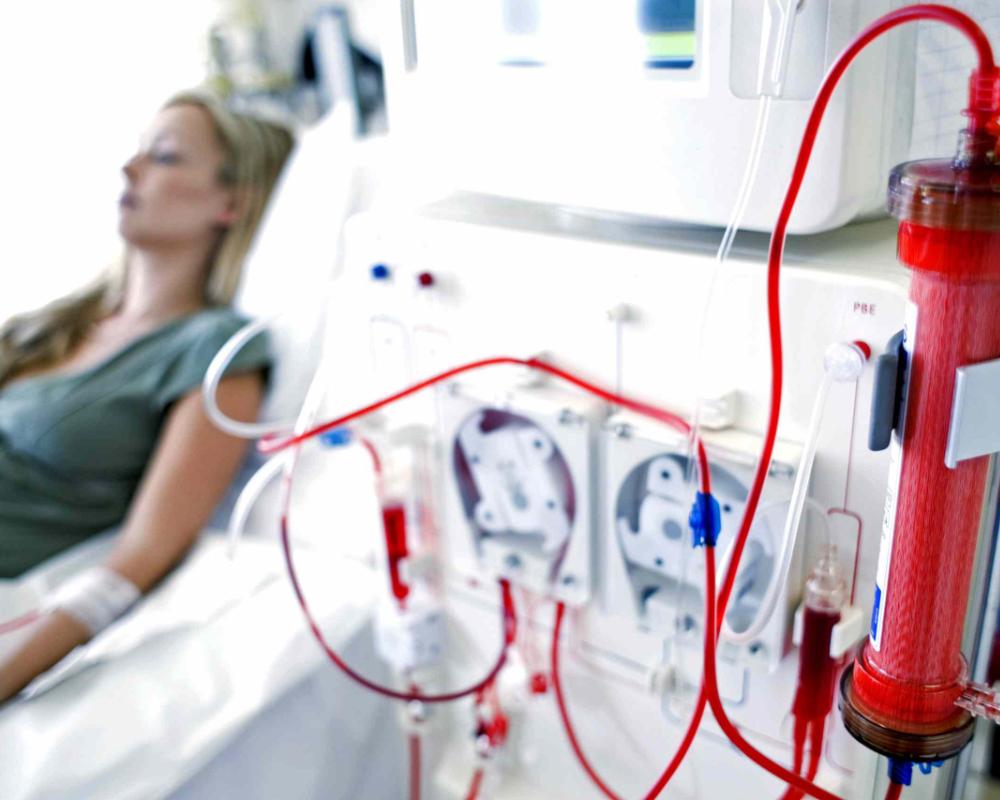
Primary Goal: Transitioning to dialysis (hemodialysis or peritoneal dialysis) or receiving a kidney transplant to take over the work of the kidneys.
Answering Your Most Common Concerns
When people search for GFR and CKD stages, they are usually looking for practical answers to deeply personal, anxiety-inducing questions. Let's tackle those directly.
Can a Low GFR Be Reversed?
This is the most common question patients ask. The answer depends on whether your low GFR is caused by Acute Kidney Injury (AKI) or Chronic Kidney Disease (CKD).
-
If it's Acute Kidney Injury: A sudden drop in GFR caused by severe dehydration, a reaction to a medication, or a sudden infection can often be completely reversed once the underlying issue is treated.
-
If it's Chronic Kidney Disease: True chronic damage (scarring of the nephrons over months or years) cannot be reversed. However, you can "freeze" the progression. With proper management, many people with Stage 2 or Stage 3 CKD prevent their GFR from ever dropping lower.
What Causes a Sudden Drop in GFR?
If your GFR was stable and suddenly took a plunge, check for these common culprits with your doctor:
-
Dehydration: If you aren't drinking enough water, or if you've been sick with vomiting or diarrhea, your blood volume drops, which temporarily lowers your GFR.
-
NSAIDs: Over-the-counter pain medications like ibuprofen (Advil, Motrin) or naproxen (Aleve) constrict blood flow to the kidneys and can cause a rapid decline in function.
-
New Medications: Certain blood pressure drugs (like ACE inhibitors or ARBs) can cause a temporary, expected drop in GFR when you first start taking them. This is usually harmless and stabilizes, but must be monitored.
What Should I Eat to Protect My Kidneys?
Nutrition is one of your most powerful tools. A kidney-friendly diet isn't a one-size-fits-all plan—it changes depending on your CKD stage. However, some general principles apply to early and moderate stages:
-
Slash the Sodium: High sodium raises blood pressure, which damages delicate kidney blood vessels. Aim for less than 2,000 mg of sodium per day.
-
Watch the Protein: While protein is essential, processing too much protein puts extra strain on your kidneys. Your doctor or a renal dietitian might recommend moderate, high-quality protein intake.
-
Be Mindful of Potassium and Phosphorus: In later stages (Stages 4 and 5), kidneys struggle to clear these minerals. If your blood work shows high levels, you may need to limit foods like bananas, potatoes, dairy, and processed foods with added phosphorus additives.
Actionable Steps to Protect Your Remaining Kidney Function
Regardless of what stage of CKD you are in, there are proven lifestyle habits that can preserve your GFR and keep your kidneys working for as long as possible.
-
Keep Blood Pressure in Check: High blood pressure is the second leading cause of kidney failure. Work with your doctor to keep your blood pressure below your target goal (usually less than 130/80 mmHg).
-
Manage Blood Sugar: If you have diabetes, managing your A1C is the single most important thing you can do. High blood sugar damages the microscopic filters in your kidneys over time.
-
Audit Your Medications: Always ask your doctor or pharmacist: "Is this drug safe for my kidneys?" Avoid NSAID pain relievers and be cautious with herbal supplements, as some can be toxic to the kidneys.
-
Quit Smoking: Smoking slows blood flow to important organs, including the kidneys, and can make kidney disease worse.
-
Stay Moderately Active: Aim for at least 150 minutes of moderate exercise (like brisk walking) per week to maintain heart health, which directly supports kidney health.
Your GFR is an essential tool, but it is just a number on a page. Armed with the right information, a supportive medical team, and proactive lifestyle habits, you have the power to protect your kidneys and live a vibrant, healthy life.
Medical Disclaimer
Disclaimer: The information provided in this article is for educational and informational purposes only and is not intended as medical advice. Always consult with a qualified healthcare professional or nephrologist before making any changes to your diet, medication regimen, or treatment plan.