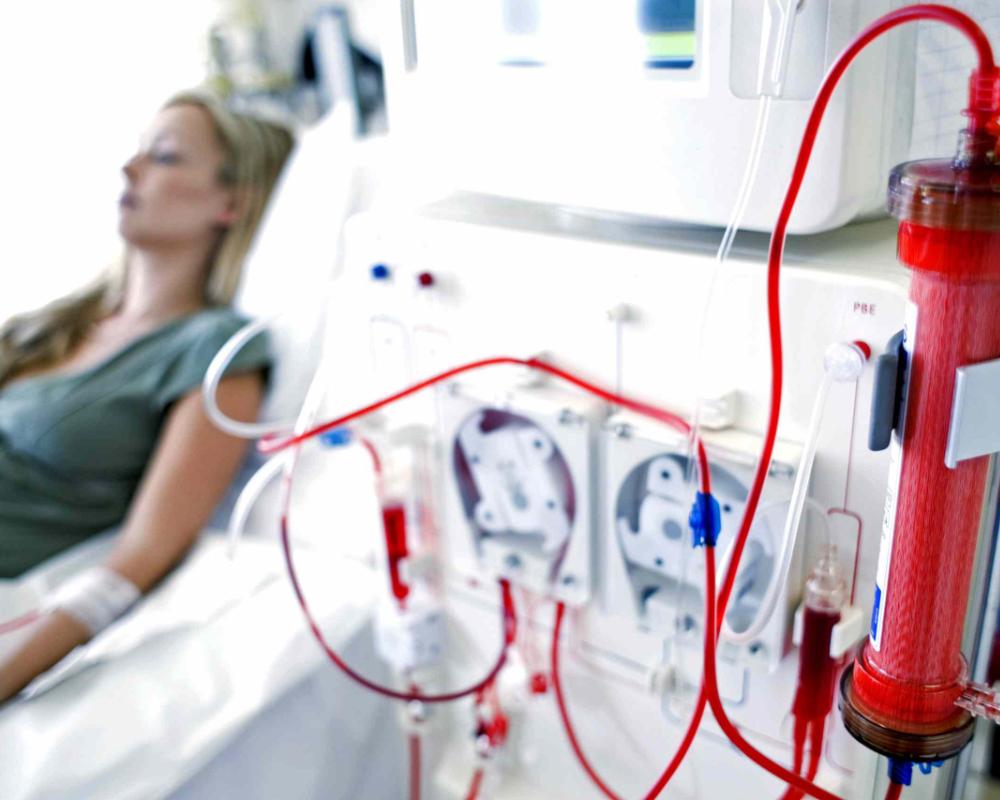

Hearing the words "you have chronic kidney disease" can feel like a heavy weight drops onto your shoulders. It is incredibly common to immediately begin searching for a lifeline. You might find yourself late at night typing queries like "how to reverse CKD" or "can kidney damage be cured" into search engines, hoping to find a simple, definitive fix to restore your health.
The anxiety is entirely valid. The kidneys are your body's silent chemical factories, working 24/7 to filter waste, manage fluid balance, regulate blood pressure, and keep your bones strong. When they start to struggle, your entire system feels the ripple effects.
This guide is designed to clarify the science of kidney function, separate medical reality from internet myths, and outline a clear roadmap of what you can actually do to protect and preserve your kidney health.
The Core Medical Reality: Can Kidneys Truly "Reverse"?
To understand if you can reverse chronic kidney disease (CKD), we have to look closely at the architecture of the kidney itself. Inside each kidney are about one million tiny filtering units called nephrons. These structures filter your blood and remove metabolic waste.
When nephrons are severely damaged over a long period—usually due to long-term high blood pressure or diabetes—they develop scarring (fibrosis).
-
The Hard Truth: Once a nephron is scarred and dead, modern medicine cannot bring it back to life. In this strict anatomical sense, established, chronic kidney damage cannot be fully "reversed".
-
The Hopeful Reality: Your kidneys have an incredible reserve capacity. If you catch kidney disease in its early stages (Stage 1, 2, or 3), you can often halt its progression completely. In some cases, managing an acute trigger (like a medication side effect or dehydration) can result in a significant bounce-back in your eGFR (estimated Glomerular Filtration Rate), which is the primary measure of your kidney function.
For an in-depth evaluation of holistic approaches and resources that many individuals use alongside conventional care to manage these stages, you can read The Kidney Disease Solution review.
Demystifying Kidney Decline: What Do the Stages Mean?
Kidney health is tracked using your eGFR, which essentially calculates how many milliliters of fluid your kidneys filter per minute. This number determines your CKD stage:
| Stage | eGFR Range | What is Happening? | Can We Stop/Improve It? |
| Stage 1 | 90+ | Normal or high filtration, but other signs of mild kidney damage exist (like protein in urine). | Highly manageable. Progression can often be completely halted. |
| Stage 2 | 60–89 | Mild loss of kidney function. Often silent. | Highly manageable. Focus is on strict control of blood pressure and blood sugar. |
| Stage 3 (A & B) | 30–59 | Moderate loss of kidney function. You might begin to experience mild fatigue or fluid retention. | The Critical Turning Point. Active, aggressive intervention can prevent progression to Stage 4. |
| Stage 4 | 15–29 | Severe loss of kidney function. Preparing for kidney replacement therapy is discussed. | Focus shifts to saving remaining function and managing symptoms. |
| Stage 5 | Under 15 | Kidney failure. Dialysis or transplant is generally required to sustain life. | Focus is on treatment options like hemodialysis, peritoneal dialysis, or transplant. |
Actionable Steps to Protect and Maximize Your Remaining Kidney Function
If you want to maximize your kidney function, you must take a multi-faceted approach. Think of your remaining nephrons like employees in a short-staffed office; if you reduce their workload and give them a supportive environment, they can successfully manage the daily task load indefinitely.
1. Optimize Your Diet and Nutrition
What you eat has a profound impact on how hard your kidneys have to work to filter waste. A kidney-friendly diet aims to minimize metabolic waste buildup.
-
-
Watch Your Protein Intake: When your body metabolizes protein, it creates a waste product called urea, which the kidneys must filter out. Eating moderate, high-quality portions instead of excessive protein reduces this workload.
-
Manage Sodium Intake: Excess sodium raises blood pressure, putting physical strain on the delicate blood vessels in your kidneys. Aim for fresh, whole foods and limit processed items.
-
Monitor Potassium and Phosphorus: As kidney function drops, these minerals can build up in your blood. High potassium can affect your heart rhythm, while high phosphorus weakens bones.
-
2. Control Your Blood Pressure and Blood Sugar
High blood pressure and diabetes are the leading causes of chronic kidney disease.
-
Keep your blood pressure within the range recommended by your doctor (often below 130/80 mmHg or 140/90 mmHg depending on protein excretion levels).
-
If you have diabetes, managing your HbA1c (average blood sugar over three months) is non-negotiable for preserving kidney filters.
3. Avoid Nephrotoxins (Kidney Poisons)
Many common, over-the-counter medications are cleared through your kidneys and can cause sudden drops in kidney function.
-
Avoid nonsteroidal anti-inflammatory drugs (NSAIDs) like ibuprofen and naproxen.
-
Always consult your doctor before starting any new herbal supplements, as some can contain compounds that are directly toxic to your kidneys.
A Protocol for Proactive Kidney Management
If you have been diagnosed with early to mid-stage kidney disease, establishing a standard daily and weekly routine is the best way to safeguard your health.
Empowering Yourself with Information
While the physical scars on kidney tissue cannot be erased, your story is far from written. Millions of people diagnosed with moderate kidney decline live long, active, fulfilling lives without ever progressing to kidney failure or requiring dialysis.
By educating yourself, working closely with specialists, adjusting your nutrition, and avoiding further injury to your system, you can play an active, powerful role in preserving your health. For those looking to explore a highly structured approach to alternative, complementary therapies and dietary adjustments designed to support kidney healing, check out this comprehensive review of chronic kidney disease solutions.
Take it one day, one meal, and one positive choice at a time. Your kidneys—and your body—will thank you.
Medical Disclaimer
Medical Disclaimer: The information provided in this article is for educational and informational purposes only and is not intended as medical advice, diagnosis, or treatment. Always seek the advice of your physician, nephrologist, or other qualified health provider with any questions you may have regarding a medical condition or dietary changes. Never disregard professional medical advice or delay in seeking it because of something you have read in this article.