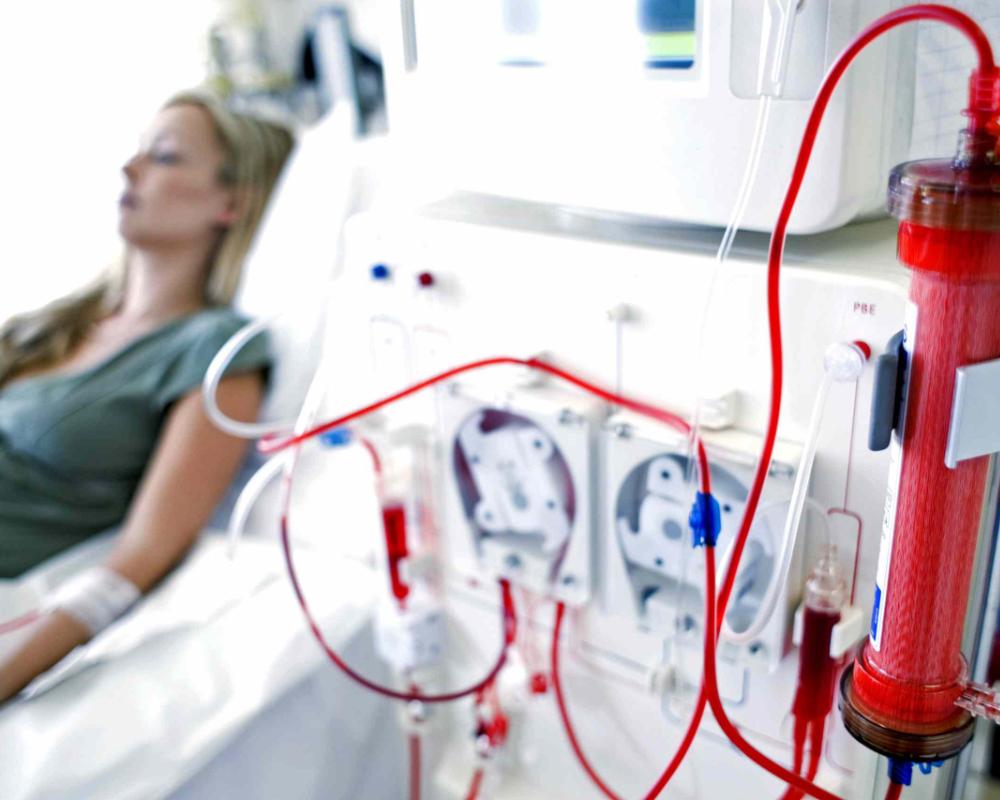

Hearing a doctor mention "moderate kidney damage" can feel like a heavy weight dropping into your stomach. For many people, a diagnosis of Stage 3 Chronic Kidney Disease (CKD) is the first time they realize their kidneys are in trouble. It is completely normal to feel a sudden wave of panic, confusion, or fear about the future. Your mind might immediately jump to the worst-case scenarios, wondering if this guarantees a path toward dialysis or a kidney transplant.
But here is the truth that medical data supports: a Stage 3 diagnosis is not a final sentence. It is a critical crossroads and an opportunity to take massive action. While fully restoring scarred, permanently damaged filtering units is generally not considered medically possible, you can dramatically shift the trajectory of your health. Many individuals find that with the right combination of targeted lifestyle changes, nutritional adjustments, and medical support, they can stop the progression of the disease in its tracks, stabilize their numbers, and live a long, vibrant life without ever needing dialysis.
Defining Stage 3 Kidney Disease: What the Numbers Tell You
To know how to address your health moving forward, it helps to look closely at what is happening inside your body. Doctors evaluate your kidney health using a metric called the estimated Glomerular Filtration Rate (eGFR). Your eGFR measures how efficiently your kidneys are filtering waste, toxins, and excess fluids from your bloodstream. A normal, healthy eGFR for an adult is typically around 100 or above.
Stage 3 CKD occurs when your eGFR lands between 30 and 59 mL/min/1.73 m² for three months or more. Because this is a broad spectrum, the medical community breaks Stage 3 into two distinct substages to provide more precise care:
-
Stage 3A (Mild to Moderate Loss): Your eGFR is between 45 and 59. At this phase, many people experience no physical symptoms at all, and the condition is often discovered during routine blood work.
-
Stage 3B (Moderate to Severe Loss): Your eGFR falls between 30 and 44. This is the lower half of the stage, where the accumulation of waste products in the blood is more pronounced, and minor symptoms or complications may begin to surface.
At this stage, your kidneys have lost a noticeable portion of their filtering capacity. The remaining nephrons—the microscopic filtering units inside your kidneys—are working overtime to compensate. The goal of any modern therapeutic approach is to protect those remaining healthy nephrons from burning out.
Addressing the Core Question: Can the Damage Be Overcome?
When searching for answers on whether Stage 3 kidney disease can be reversed, the answer depends entirely on how "reversal" is defined.
If reversal means erasing every bit of historical scar tissue and returning the kidneys to a completely pristine state, the mainstream medical consensus is generally no. Once kidney tissue undergoes chronic scarring (known as fibrosis), that specific tissue cannot typically regenerate.
However, if reversal means improving your eGFR numbers, relieving systemic symptoms, and halting further decline, the answer is a resounding yes.
It is incredibly common for an individual's eGFR to fluctuate. For example, a person might be diagnosed with an eGFR of 38 during a period of severe dehydration, high stress, or while taking a medication that strains the kidneys. By addressing those external stressors, optimizing their diet, and managing blood pressure, that same person might see their eGFR climb back up into the mid-50s or higher. This upward trend represents a significant recovery of functional capacity and a massive reduction in long-term health risks.
Protecting Your Filters: Managing the Primary Drivers of Decline
To stabilize your kidney function, you must address the underlying root causes that caused the strain in the first place. The kidneys are dense networks of delicate blood vessels, meaning that whatever harms your cardiovascular system harms your kidneys.
Controlling Blood Pressure
High blood pressure (hypertension) acts like a high-pressure power washer inside your delicate kidney filters, tearing away at their structure over time. Clinical guidelines strongly recommend keeping your blood pressure strictly managed, often targeting a reading of 120/80 mm Hg or lower if tolerated well.
Balancing Blood Sugar
If you manage diabetes, chronic high blood sugar creates advanced glycation end-products that stiffen and damage the filtration barriers in the kidneys. Keeping your A1C within your target range—frequently below 7% for many adults—is one of the most defensive strategies available to preserve your remaining kidney tissue.
Reviewing Everyday Medications
Many common over-the-counter medications can cause sudden drops in eGFR. Non-Steroidal Anti-Inflammatory Drugs (NSAIDs), such as ibuprofen and naproxen, constrict the blood vessels leading into the kidneys, cutting off vital oxygen and blood flow. Switching to kidney-safe alternatives for pain management can immediately stop preventable stress on your filtration system.
The Power of the Plate: Designing a Renal-Supportive Diet
What you eat plays a massive role in how hard your kidneys have to work. Because your kidneys are responsible for balancing minerals and filtering the waste products of digestion, altering your food choices directly lightens their daily workload.
+-----------------------------------------------------------------+
|                    STAGE 3 CKD DIETARY FOCUS                    |
+------------------------------+----------------------------------+
| Reduce Daily Sodium          | Keep under 2,300 mg per day to   |
|                              | protect blood pressure.          |
+------------------------------+----------------------------------+
| Moderate Protein Intake      | Reduces the accumulation of urea |
|                              | and metabolic waste.             |
+------------------------------+----------------------------------+
| Monitor Vital Minerals       | Watch potassium and phosphorus   |
|                              | levels based on lab trends.      |
+-----------------------------------------------------------------+
Modifying Protein Intake
When your body breaks down protein, it produces a waste product called urea. In Stage 3, excessive protein intake can force the remaining filters to overwork to clear this waste, leading to a phenomenon known as hyperfiltration. Shifting toward a moderate, high-quality protein structure—or incorporating more plant-based proteins like lentils and beans under supervision—can significantly lower the stress on your kidneys.
Watching Sodium and Mineral Balances
Excess sodium causes your body to hold onto fluid, driving up blood pressure and causing swelling (edema) in your ankles, feet, or hands. Reducing sodium intake to less than 2,300 mg per day helps keep fluid volumes stable. Additionally, depending on your specific blood panel trends, your doctor may recommend tracking your intake of potassium and phosphorus to avoid toxic buildups that the kidneys can no longer flush out efficiently.
Exploring Supportive Pathways to Longevity
Beyond standard medical targets, finding proactive, holistic strategies can provide a structured roadmap for your daily routine. Many individuals looking for comprehensive, step-by-step guidance turn to dedicated programs designed to optimize kidney health from every angle.
For instance, looking into natural and lifestyle-driven protocols can offer highly practical steps for stabilizing your biomarkers. You can explore a deep dive into how structured lifestyle adjustments impact renal decline by reading about the kidney disease solution does it actually help reverse ckd. Implementing a cohesive plan that addresses sleep, systemic inflammation, specific herbal supports, and targeted nutrition often helps bridge the gap between basic medical monitoring and true vitality.
Furthermore, integrating moderate physical activity—like 150 minutes of walking or light cycling per week—improves insulin sensitivity and vascular health, directly benefiting renal blood flow. To see how specialized holistic frameworks can complement your current medical treatments, you can learn more about practical, daily wellness regimens by visiting kidneyaid.org.
Recognizing Early Warnings: Tracking Subtle Bodily Signals
During Stage 3, your body may start sending quiet signals that waste products are starting to accumulate or that fluid balance is shifting. Paying close attention to these indicators helps you make proactive adjustments alongside your healthcare team before further complications arise:
-
Persistent Fatigue: A buildup of uremic toxins or a drop in red blood cell production (anemia) can leave you feeling chronically drained.
-
Changes in Urination: Noticing foamy or bubbly urine can indicate that protein is leaking through damaged filters into your waste stream.
-
Fluid Retention: Puffiness around the eyes or swelling in the lower extremities indicates that your kidneys are working harder to regulate fluid and sodium levels.
If you notice any of these signs changing or intensifying, it is simply a reminder to check back in with your doctor, run an updated metabolic panel, and refine your management plan.
Taking Charge of Your Health Narrative
Receiving a Stage 3 kidney disease diagnosis is undeniably stressful, but it also marks the exact moment you can take control. By treating this stage as an early warning system rather than an inevitable decline, you open the door to impactful lifestyle modifications. Commit to working closely with a nephrologist, collaborate with a renal dietitian, keep your blood pressure steady, and embrace a nourishing lifestyle. Your kidneys are remarkably resilient, and taking focused action today can protect your health for decades to come.
Medical Disclaimer
The information provided in this article is for educational and informational purposes only and should not be construed as medical advice, diagnosis, or treatment. Chronic kidney disease is a complex medical condition that requires individualized clinical oversight. Always consult with a qualified physician, nephrologist, or certified renal dietitian before making any changes to your diet, medication regimen, or lifestyle habits.