
Comprehensive End Stage Kidney Disease Treatment Options and Practical Management Strategies
Receiving a diagnosis of end-stage renal disease (ESRD) or Stage 5 chronic kidney disease (CKD) represents a pivotal moment for patients and their families. At this stage, the kidneys have lost roughly 85% to 90% or more of their filtering capacity, resulting in an estimated glomerular filtration rate (eGFR) dropping below 15 mL/min/1.73 $m^2$. When functional kidney tissue declines to this level, waste products, toxins, and excess fluids accumulate rapidly in the bloodstream.
This accumulation leads to a cluster of severe physical challenges known as uremia. Patients frequently experience debilitating fatigue, chronic nausea, persistent itching, peripheral swelling (edema), shortness of breath, and changes in mental clarity. Beyond physical symptoms, the diagnosis often triggers overwhelming anxiety regarding lifestyle adjustments, treatment longevity, and overall quality of life.
Finding the right end stage kidney disease treatment requires evaluating personal medical needs, daily routines, emotional readiness, and long-term health goals. Modern nephrology provides several clinical pathways—including hemodialysis, peritoneal dialysis, preemptive kidney transplantation, and comprehensive conservative management.
Comparing Primary Dialysis Modalities
When kidneys can no longer cleanse the blood, dialysis serves as an artificial filtration method. Dialysis removes excess fluid, balances essential electrolytes like sodium and potassium, and clears metabolic waste products such as urea and creatinine. Choosing between the primary types of dialysis depends heavily on medical candidacy, vascular health, home support, and personal preference.
Hemodialysis: Mechanism, Access, and Options
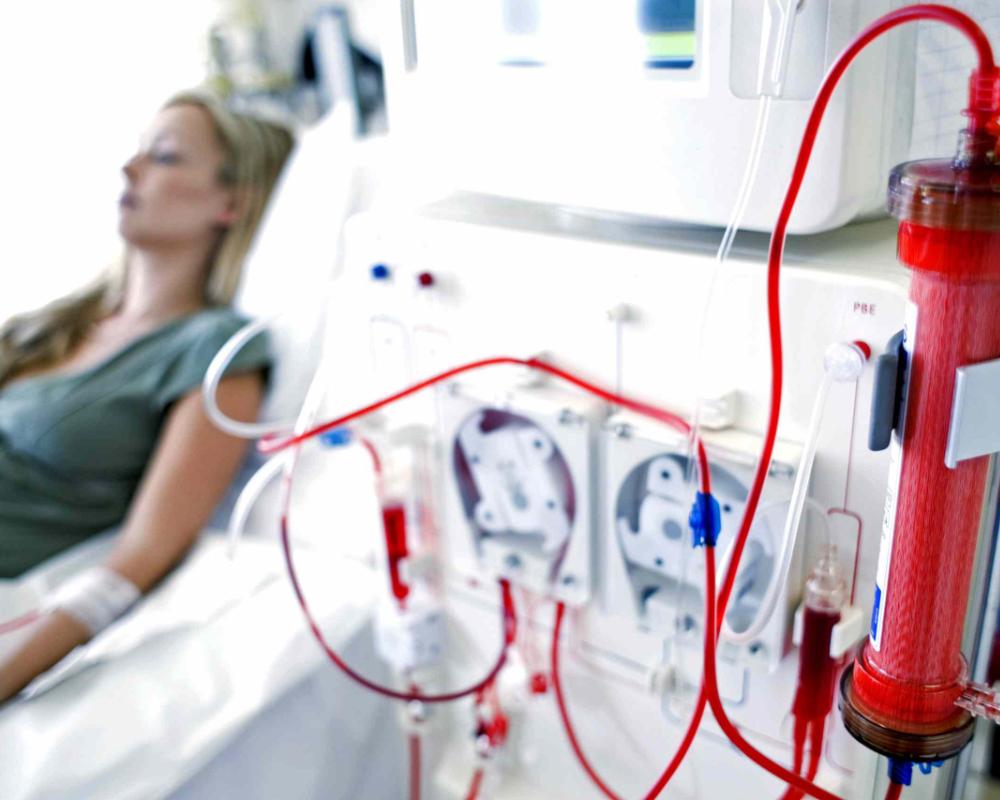
Hemodialysis routes blood through an external machine containing a specialized synthetic filter called a dialyzer. Inside the dialyzer, microscopic fibers separate blood from a cleaning fluid (dialysate), allowing waste products to diffuse out while returning purified blood back into the body.
To perform hemodialysis, a surgeon must create a durable vascular access point:
-
Arteriovenous (AV) Fistula: The gold standard for hemodialysis access. Created by joining a native artery to a vein (usually in the forearm), an AV fistula matures over several weeks or months into a strong vessel capable of handling high blood flow rates.
-
Arteriovenous (AV) Graft: A synthetic tube connecting an artery and vein. Grafts mature faster than fistulas but carry a slightly higher risk of clotting and infection over time.
-
Central Venous Catheter: A temporary plastic tube placed into a large vein in the neck or chest, reserved primarily for urgent situations while a permanent access matures.
Patients can receive hemodialysis in two distinct settings:
-
In-Center Hemodialysis: Treatments occur at a clinical dialysis center, typically three times per week for approximately four hours per session. Medical personnel manage every aspect of the procedure.
-
Home Hemodialysis (HHD): Trained patients or care partners run treatments at home using compact machines. HHD offers flexible schedules, including more frequent or longer nocturnal sessions, which often yields gentler fluid removal and better blood pressure control.
Peritoneal Dialysis: Utilizing the Body's Natural Membrane
Peritoneal dialysis (PD) uses the lining of the abdominal cavity (the peritoneum) as a natural filtering membrane. A surgeon inserts a small, flexible catheter into the abdomen. Sterile dialysate fluid flows through the catheter, sits in the abdominal cavity for a designated "dwell time" to absorb waste products and excess fluid from blood vessels, and is then drained out.
Peritoneal dialysis is performed entirely at home and comes in two primary forms:
-
Continuous Ambulatory Peritoneal Dialysis (CAPD): A manual process where the patient performs 3 to 5 fluid exchanges throughout the day without machines.
-
Automated Peritoneal Dialysis (APD): Uses a motorized device called a cycler to perform multiple fluid exchanges automatically while the patient sleeps at night.
Because peritoneal dialysis occurs daily, it provides continuous, gentle waste clearance that closely mimics natural kidney function, often allowing for fewer dietary and fluid restrictions compared to standard in-center hemodialysis.
Kidney Transplantation: The Preferred Medical Approach
For qualified candidates, a kidney transplant remains the optimal end stage kidney disease treatment. A successful transplant restores true metabolic kidney function, eliminating the need for regular dialysis and significantly improving long-term survival rates and daily energy levels.
| Feature | Living Donor Transplantation | Deceased Donor Transplantation |
| Organ Source | Healthy living relative, friend, or altruistic donor | Organ donor registry post-mortem |
| Wait Time | Planned ahead; minimal wait time | Average 3 to 5+ years depending on region/blood type |
| Graft Survival Rate | Generally higher initial success and longer organ lifespan | Excellent, but slightly shorter average duration than living donor |
| Procedure Timing | Elective scheduling allows for preemptive surgery | Emergency availability requires immediate hospital admission |
Early referral to a transplant center—ideally when eGFR drops near 20 mL/min/1.73 $m^2$—allows patients to evaluate potential living donors or accumulate wait-list time before dialysis becomes necessary. Following surgery, transplant recipients must maintain a strict daily regimen of immunosuppressive medications to prevent organ rejection.
Comprehensive Conservative Care
Not every individual with stage 5 CKD chooses or qualifies for invasive renal replacement therapies. Comprehensive conservative management (also known as supportive or non-dialytic care) focuses on maximizing comfort, controlling symptoms, and maintaining overall quality of life without initiating dialysis or undergoing a transplant.
This multidisciplinary approach involves nephrologists, palliative care specialists, dietitians, and social workers. Interventions focus on:
-
Symptom Management: Prescribing medications to alleviate pain, itchiness, nausea, restless legs, and muscle cramps.
-
Preserving Remaining Function: Using tailored blood pressure medications and dietary modifications to minimize kidney strain.
-
Cardiovascular & Anemia Support: Treating secondary complications to maintain mobility and cognitive comfort.
-
Advance Care Planning: Establishing clear medical directives that honor patient dignity, values, and personal goals.
Conservative management is a thoughtful alternative, particularly for elderly patients or individuals living with multiple severe comorbidities, ensuring care aligns closely with personal wishes.
Managing Metabolic Complications and Daily Nutrition
Regardless of the primary treatment path selected, active management of systemic complications is essential for stability and daily comfort.
┌─────────────────────────────────────────────────────────┐
│               ESRD Metabolic Management                 │
├──────────────────────────┬──────────────────────────────┤
│  Anemia Management       │ Erythropoietin-stimulating   │
│                          │ agents & iron therapy        │
├──────────────────────────┼──────────────────────────────┤
│  Electrolyte Balance     │ Potassium & phosphorus       │
│                          │ monitoring with binders      │
├──────────────────────────┼──────────────────────────────┤
│  Fluid & Blood Pressure  │ Sodium restrictions &        │
│                          │ daily weight tracking        │
└──────────────────────────┴──────────────────────────────┘
Anemia and Bone Density
Failing kidneys produce diminished amounts of erythropoietin (EPO), a hormone necessary for red blood cell production. To combat chronic anemia and extreme tiredness, healthcare providers frequently prescribe synthetic EPO injections alongside supplemental iron therapies. Additionally, phosphate binders are taken with meals to prevent excess phosphorus from accumulating, which helps protect bone structure and cardiovascular tissue.
Fluid and Electrolyte Adjustments
Managing liquid intake is often one of the most challenging aspects of living with kidney failure. Excess liquid accumulation can lead to pulmonary edema, high blood pressure, and strain on the heart.
-
Sodium Reduction: Keeping sodium low helps prevent thirst and fluid retention.
-
Potassium Regulation: Unchecked potassium levels can induce dangerous cardiac arrhythmias; monitoring intake of potassium-dense foods like citrus and potatoes is vital.
-
Protein Balancing: While pre-dialysis stages call for protein restriction to lower urea accumulation, dialysis removes amino acids, requiring increased protein intake under the guidance of a renal dietitian.
Integrating structured educational programs and holistic lifestyle strategies plays an important role alongside standard medical care. Exploring comprehensive protocols through dedicated platforms like Kidney Aid can empower patients with actionable guidance on nutrition, lifestyle adjustments, and practical kidney health support. Learning how to support overall kidney wellness through structured protocols, such as The Kidney Disease Solution, offers structured education to help individuals manage their kidney care journey alongside their healthcare team.
Key Patient Questions Regarding ESRD Treatment
Can end-stage kidney disease be managed without in-center dialysis?
Yes. Home options like peritoneal dialysis and home hemodialysis allow patients to manage their treatments in their own living spaces. Additionally, patients seeking a supportive pathway without dialysis can choose comprehensive conservative care to manage symptoms while prioritizing daily comfort and life balance.
How do dietary requirements shift after starting treatment?
Prior to starting dialysis, diets usually limit protein intake to reduce metabolic waste accumulation. Once dialysis begins, protein needs increase significantly because the filtration process cleanses waste but also removes beneficial proteins. Fluid limits, sodium control, and monitoring potassium and phosphorus levels remain essential across all treatment stages.
What is the first step after an ESRD diagnosis?
The most urgent step is establishing a coordinated care team with a nephrologist, renal dietitian, and social worker. This team evaluates vascular access readiness, discusses transplant eligibility, and assists in selecting a treatment strategy tailored to individual health and lifestyle needs.
Medical Disclaimer
This article is provided for informational and educational purposes only and should not be construed as professional medical advice, diagnosis, or treatment. End-stage renal disease is a complex medical condition requiring individualized care. Always consult a qualified nephrologist or healthcare professional regarding any questions or choices related to kidney health, dialysis, or surgical procedures.