
Finding out you have a high alb creat ratio ur (albumin-to-creatinine ratio in urine) can be alarming, especially if you are living with Chronic Kidney Disease (CKD) or are at risk for it. This lab value is one of the most critical tools doctors use to assess how well your kidneys are filtering waste and retaining vital proteins. When this ratio climbs, it provides a direct window into your renal health, serving as an early warning system that requires attention, but not panic. By understanding what these numbers mean, you can take proactive steps to protect your kidneys.
For individuals navigating CKD, tracking this specific metric is a routine yet stressful part of managing their condition. It is completely normal to feel anxious when a lab report flags a value as "high." However, knowledge is power in renal care. Understanding the mechanics behind the alb creat ratio ur high reading allows you to have more informed, collaborative conversations with your nephrologist and healthcare team, ultimately giving you greater control over your treatment plan.
The ultimate goal of monitoring this ratio is to preserve your remaining kidney function and prevent further damage. A high reading is not a definitive failure; rather, it is actionable data. It signals that your current management plan might need some fine-tuning, whether that involves adjusting your medications, stricter blood pressure management, or dietary changes. Let's dive deeper into the specific questions surrounding this vital health marker.
What Does a High Alb Creat Ratio Ur Mean for My Kidneys?
When your doctor notes that your alb creat ratio ur is high, it primarily indicates a condition known as albuminuria, or excess protein in the urine. Healthy kidneys have microscopic filters called glomeruli that keep large molecules, like the protein albumin, inside the blood while filtering out waste products. When these filters become damaged or inflamed due to CKD, diabetes, or hypertension, albumin leaks through into your urine. The urine albumin-to-creatinine ratio (UACR) measures this spillover accurately by comparing the amount of albumin to creatinine, a stable waste product.
A high reading typically means your kidney filters are under stress or have sustained damage. In the context of Chronic Kidney Disease, a rising UACR often correlates with a higher risk of CKD progression. It tells your healthcare team how aggressively the disease is behaving at any given moment. Because urine concentration changes throughout the day based on how much fluid you drink, using a ratio against creatinine ensures that the measurement of protein leakage remains accurate and standardized.
Understanding the severity of a high alb creat ratio ur involves looking at the specific numbers. A normal UACR is generally below 30 mg/g. A reading between 30 and 300 mg/g is classified as microalbuminuria, indicating early-stage kidney damage. Anything above 300 mg/g is considered severely increased (macroalbuminuria). Recognizing where your numbers fall helps determine the urgency and type of medical interventions required to stabilize your renal health.
What Causes an Alb Creat Ratio Ur High Reading?
The primary driver behind an alb creat ratio ur high result is damage to the kidneys' delicate filtration barrier, but several underlying conditions can cause this disruption. For the majority of people with CKD, long-standing diabetes and high blood pressure are the main culprits. High blood sugar damages the blood vessels in the kidneys over time, while hypertension forces blood through the filters with too much pressure, tearing the delicate structures and allowing albumin to escape into the urine.
Beyond diabetes and hypertension, other factors can temporarily or permanently spike your UACR. Glomerulonephritis, which is an inflammation of the kidney filters, autoimmune diseases like lupus, and recurrent kidney infections can all lead to persistent protein leakage. Additionally, acute factors like intense physical exercise, severe dehydration, a high-fever illness, or a recent urinary tract infection (UTI) can cause a temporary spike in urine protein, which is why doctors often order repeat tests to confirm a trend.
Understanding these causes highlights why managing a high alb creat ratio ur requires a holistic approach. It is rarely just about the kidneys themselves; it is about controlling the systemic environment in which your kidneys operate. By identifying the exact root cause of the elevated protein—whether it is a blood pressure spike or poorly managed blood sugar—your medical team can tailor a treatment strategy that directly addresses the source of the strain.
How Can I Lower My High Alb Creat Ratio Ur Naturally and Medically?
Lowering a high alb creat ratio ur requires a dual approach combining targeted medical therapies and intentional lifestyle modifications. Medically, the gold standard treatments for reducing albuminuria in CKD patients are blood pressure medications known as ACE inhibitors (like lisinopril) or ARBs (like losartan). These specific drugs do more than just lower systemic blood pressure; they dilate the blood vessels leaving the kidney filters, reducing the internal pressure within the glomeruli and physically slowing down the leakage of protein.
On the natural and dietary side, managing your intake of sodium and protein plays a monumental role in supporting your medical treatments. A low-sodium diet helps reduce blood pressure and fluid retention, which directly eases the workload on your kidneys. Additionally, working with a renal dietitian to optimize your protein intake—often by prioritizing high-quality, plant-based proteins over heavy red meats—can significantly decrease the amount of waste your kidneys have to process, thereby helping to lower a high alb creat ratio ur reading.
Strict glycemic control and lifestyle habits round out the strategy for protecting your filters. If you have diabetes, keeping your hemoglobin A1c within your target range prevents further chemical damage to the renal vasculature. Staying adequately hydrated, avoiding nephrotoxic over-the-counter medications like NSAIDs (such as ibuprofen or naproxen), quitting smoking, and engaging in moderate, doctor-approved exercise all contribute to a stable internal environment that allows your kidneys to function at their best.
Medical Disclaimer
Disclaimer: The information provided in this article is for educational and informational purposes only and should not be construed as medical advice. A high alb creat ratio ur reading can indicate a variety of health conditions that require professional medical evaluation, diagnosis, and treatment. Always consult with your nephrologist, primary care physician, or a qualified healthcare provider before making any changes to your medication, diet, or treatment plan.
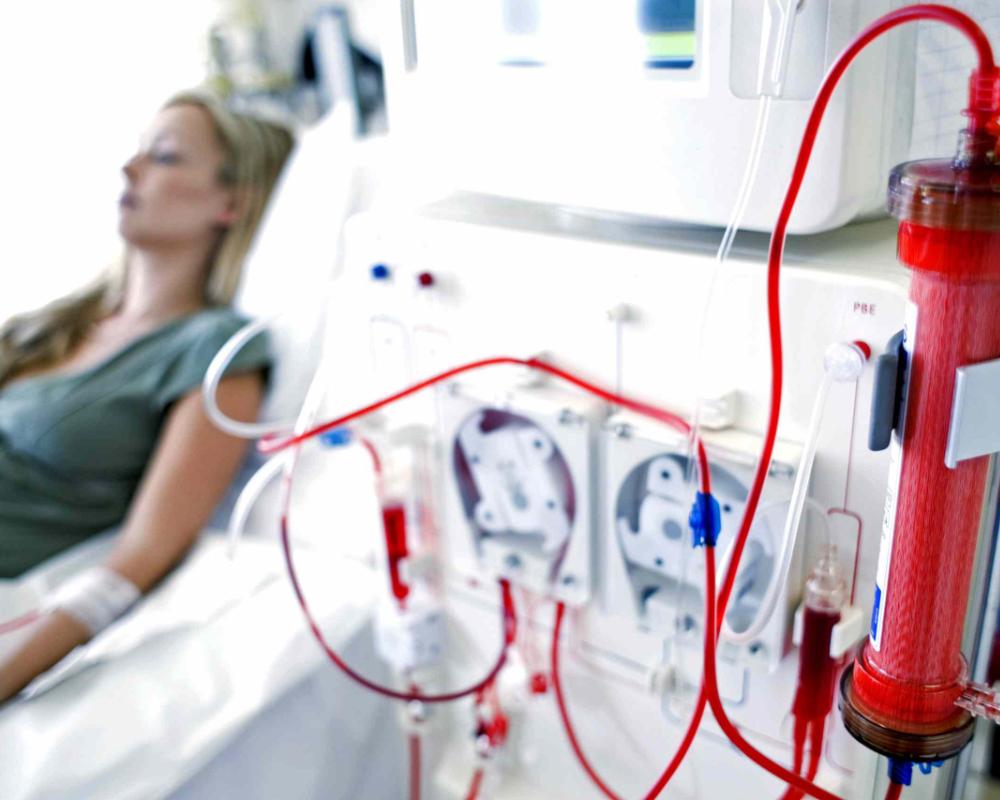
Are you tired of living under the shadow of kidney disease? Are you yearning for a life free from the shackles of dialysis, kidney failure, and the looming threat of kidney transplants? If so, you're in the right place at the right time. Imagine waking up every morning with boundless energy, feeling rejuvenated and ready to take on the day. Envision a life where your kidneys are functioning optimally, and you no longer dread the burdensome routines of dialysis sessions. The Kidney Disease Solution Program is here to turn that vision into reality for you.