

What is eGFR Non-AA in Blood Work? eGFR non-AA stands for estimated glomerular filtration rate (eGFR) using a non-African American (non-AA) equation. GFR is a measure of how well the kidneys are functioning, and it is expressed as the volume of blood filtrated by the kidneys per minute.
eGFR is a calculated estimate of GFR that is used to assess kidney function and is based on several factors, including age, race, gender, and serum creatinine levels.
The non-African American equation is one of several available equations for estimating eGFR, and it is specifically designed for individuals who are not of African American descent. The eGFR non-AA test result is expressed in mL/min/1.73 m2, and a normal result is typically greater than or equal to 90 mL/min/1.73 m2. A result lower than this may indicate reduced kidney function or kidney disease. However, it is important to interpret eGFR results in conjunction with other tests and clinical information, as there are many factors that can affect the accuracy of the estimate.
What are the levels of GFR Measurement?
GFR is usually measured in milliliters per minute (mL/min) and is expressed as a value that is adjusted for body size. This value is known as the estimated glomerular filtration rate (eGFR).
The levels of GFR measurement can be categorized as follows:
What can you do to improve your GFR levels?
There are several steps you can take to help improve your GFR levels:
When should you see a doctor about eGFR Non-AA in Blood Work?
You should see a doctor if:
The Dangers Of Having Low eGFR levels
Reduced eGFR levels can indicate a decline in kidney function and can be a sign of kidney disease. In turn, kidney disease can lead to several serious health problems, including:
The non-African American equation is one of several available equations for estimating eGFR, and it is specifically designed for individuals who are not of African American descent. The eGFR non-AA test result is expressed in mL/min/1.73 m2, and a normal result is typically greater than or equal to 90 mL/min/1.73 m2. A result lower than this may indicate reduced kidney function or kidney disease. However, it is important to interpret eGFR results in conjunction with other tests and clinical information, as there are many factors that can affect the accuracy of the estimate.
What are the levels of GFR Measurement?
GFR is usually measured in milliliters per minute (mL/min) and is expressed as a value that is adjusted for body size. This value is known as the estimated glomerular filtration rate (eGFR).
The levels of GFR measurement can be categorized as follows:
- Normal GFR: A GFR of 90 mL/min/1.73 m2 or higher is considered normal.
- Mildly reduced GFR: A GFR between 60 mL/min/1.73 m2 and 89 mL/min/1.73 m2 is considered mildly reduced.
- Moderately reduced GFR: A GFR between 30 mL/min/1.73 m2 and 59 mL/min/1.73 m2 is considered moderately reduced.
- Severely reduced GFR: A GFR between 15 mL/min/1.73 m2 and 29 mL/min/1.73 m2 is considered severely reduced.
- Kidney failure: A GFR less than 15 mL/min/1.73 m2 is considered an indication of kidney failure.
What can you do to improve your GFR levels?
There are several steps you can take to help improve your GFR levels:
- Control underlying conditions: If you have a condition that is affecting your kidney function, such as diabetes or high blood pressure, managing that condition can help improve your GFR. This may involve making lifestyle changes, such as eating a healthy diet and engaging in regular physical activity, or taking medications as prescribed by your doctor.
- Avoid nephrotoxic substances: Certain medications, including nonsteroidal anti-inflammatory drugs (NSAIDs), can be harmful to the kidneys. If you are taking any medications, it's important to talk to your doctor about the potential risks and benefits.
- Stay hydrated: Drinking enough fluids is important for keeping your kidneys functioning properly. Your doctor can help you determine how much fluid you need to drink each day based on your individual needs.
- Manage protein intake: Too much protein can put additional strain on your kidneys. If you have reduced kidney function, your doctor may recommend reducing your protein intake.
- Quit smoking: Smoking can increase your risk of kidney disease and accelerate the progression of existing kidney damage. Quitting smoking can help protect your kidneys and overall health.
- Exercise regularly: Regular physical activity can help improve your overall health and reduce the risk of developing kidney disease.
When should you see a doctor about eGFR Non-AA in Blood Work?
You should see a doctor if:
- Your eGFR non-AA result is significantly lower than normal: A result lower than 90 mL/min/1.73 m2 may indicate reduced kidney function or kidney disease, and your doctor will want to evaluate you further to determine the cause.
- You have symptoms of kidney disease: Symptoms of kidney disease can include fatigue, swelling in the legs and feet, decreased urine output, and changes in the color or amount of urine.
- You have a medical condition that increases your risk of kidney disease: Conditions such as diabetes, high blood pressure, and heart disease can increase your risk of developing kidney disease. If you have one of these conditions, your doctor may recommend more frequent monitoring of your kidney function.
- Your eGFR non-AA result shows a sudden decrease: A sudden decrease in your eGFR non-AA result can indicate an acute change in kidney function that requires prompt evaluation and treatment.
The Dangers Of Having Low eGFR levels
Reduced eGFR levels can indicate a decline in kidney function and can be a sign of kidney disease. In turn, kidney disease can lead to several serious health problems, including:
- Chronic kidney disease (CKD): Reduced eGFR levels can be a sign of early stage CKD, which can progress to end-stage kidney disease if left untreated.
- Cardiovascular disease: People with kidney disease are at increased risk of developing cardiovascular disease, including heart attacks and strokes.
- Anemia: Kidney disease can cause anemia, which is a condition in which the body doesn't have enough red blood cells to carry oxygen to the tissues.
- Bone disease: Kidney disease can cause bone disease, which can lead to osteoporosis and fractures.
- Malnutrition: Kidney disease can cause malnutrition by affecting the body's ability to process and use nutrients.
- Electrolyte imbalances: Kidney disease can cause imbalances in the levels of electrolytes in the body, such as potassium and phosphorus, which can be harmful to the heart and other organs.
- Nerve damage: Kidney disease can cause nerve damage, which can lead to a variety of symptoms, including pain, tingling, and numbness.
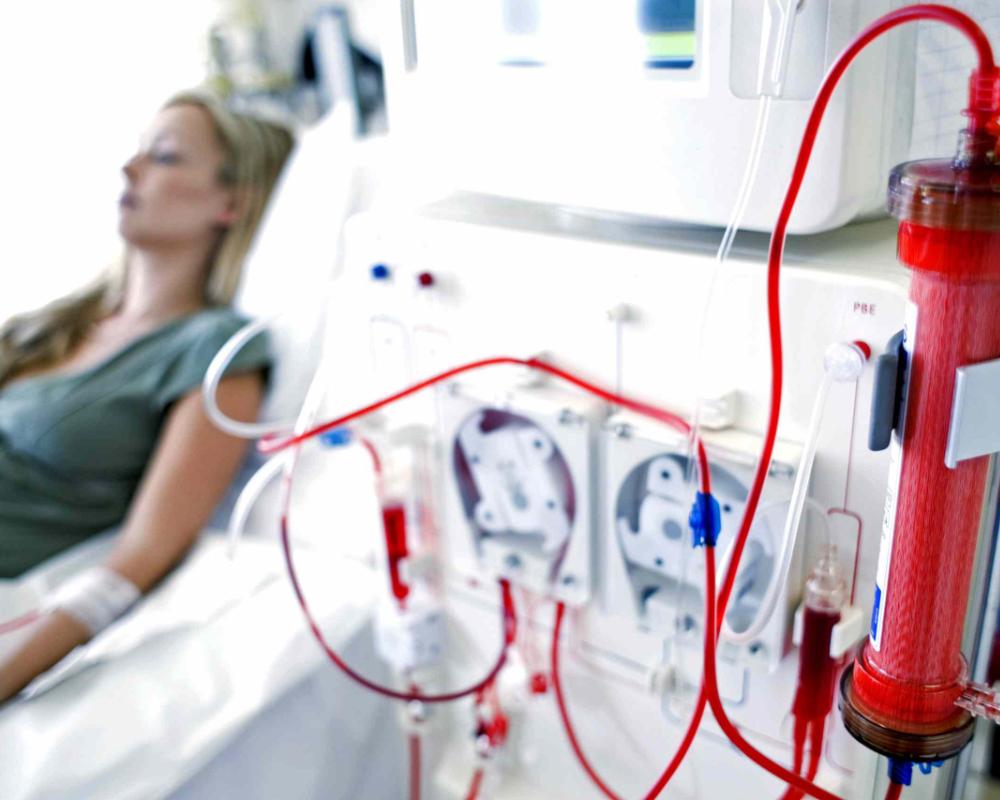
Are you tired of living under the shadow of kidney disease? Are you yearning for a life free from the shackles of dialysis, kidney failure, and the looming threat of kidney transplants? If so, you're in the right place at the right time. Imagine waking up every morning with boundless energy, feeling rejuvenated and ready to take on the day. Envision a life where your kidneys are functioning optimally, and you no longer dread the burdensome routines of dialysis sessions. The Kidney Disease Solution Program is here to turn that vision into reality for you.