
Receiving a diagnosis of Chronic Kidney Disease (CKD) or watching a loved one face it can feel overwhelming. You might be staring at lab results, wondering what your "eGFR" means, or asking the ultimate question that brings millions of people to search engines every day: Can chronic kidney disease be treated?
The short answer is yes, absolutely. While chronic kidney disease is generally considered irreversible, it is highly treatable. The primary goal of modern nephrology is not necessarily to cure the kidneys, but to halt or significantly slow down damage, prevent complications, and protect your overall quality of life.
This comprehensive guide explores the reality of managing CKD, answers your most pressing questions, and provides actionable steps to protect your kidney health.
What Does "Treating" Chronic Kidney Disease Actually Mean?
To understand how CKD is treated, it helps to understand what the disease is. Chronic kidney disease means your kidneys have suffered gradual damage over time—often due to conditions like diabetes or high blood pressure—and can no longer filter waste products from your blood as effectively as they should.
When doctors talk about treating CKD, they are focusing on three main pillars:
-
Slowing Progression: Keeping the disease at its current stage for as long as possible.
-
Managing Risk Factors: Controlling the underlying conditions causing the damage.
-
Preventing Complications: Protecting other organs, like your heart and bones, from the side effects of reduced kidney function.
The stages of CKD are determined by your Estimated Glomerular Filtration Rate (eGFR), which measures how well your kidneys filter waste. Stages 1 and 2 represent mild damage, Stage 3 is moderate, Stage 4 is severe, and Stage 5 is kidney failure. Treatment looks very different depending on which stage you are currently in.
Addressing Your Core Concerns: Can the Damage Be Reversed?
One of the most common pain points for newly diagnosed patients is the search for a cure.
Can CKD Be Reversed?
Generally, structural damage to the nephrons (the filtering units of the kidneys) cannot be undone. Once scar tissue forms, those specific filters cannot be repaired. However, there is a major caveat: Acute Kidney Injury (AKI), which is a sudden drop in kidney function, can often be reversed. Sometimes, a person with CKD experiences a temporary worsening of their numbers due to dehydration or medication. Resolving that issue can bring their numbers back up to their baseline.
Can You Improve Kidney Function Naturally?
While you cannot regrow lost kidney tissue, you can optimize the function of your remaining healthy nephrons. Think of it like a sports team: if a few players get injured, the remaining players can be trained, supported, and paced so the team still wins the game. By reducing the workload on your kidneys, your overall health and lab trends can improve significantly.
The Medical Toolkit: Medications That Protect Your Kidneys
Pharmaceutical treatments for CKD have advanced dramatically. Today, doctors have specific tools designed not just to treat symptoms, but to actively shield the kidneys from further stress.
Blood Pressure Control (ACE Inhibitors and ARBs)
High blood pressure is both a cause and a result of kidney disease. It creates high pressure inside the kidney's delicate filters. Medications known as ACE inhibitors (like lisinopril) and ARBs (like losartan) do double duty. They lower systemic blood pressure and dilated the blood vessels leading out of the kidney, which reduces the internal mechanical stress on the organs.
SGLT2 Inhibitors: A Game-Changer for Kidney Care
Originally developed to treat type 2 diabetes, SGLT2 inhibitors (such as empagliflozin or dapagliflozin) have revolutionized nephrology. Clinical trials have proven that these medications significantly lower the risk of CKD progression and kidney failure, even in patients without diabetes. They work by altering how the kidneys handle sodium and glucose, which lowers internal kidney pressure and reduces inflammation.
Managing Complications
As kidney function declines, your doctor may prescribe medications to manage secondary issues:
-
Erythropoietin (EPO) Stimulating Agents: To treat anemia, as healthy kidneys produce the hormone that signals your body to make red blood cells.
-
Phosphate Binders: Taken with meals to prevent your body from absorbing too much phosphorus, which can weaken bones when kidneys fail to filter it out.
-
Diuretics: To help your body rid itself of excess fluid and reduce swelling (edema) in your legs or lungs.
Diet and Lifestyle: Your Daily Defense Strategy
Medical treatments are only half the battle. What you do at home plays an equally critical role in how your kidneys fare over time.
The Role of a Renal Dietitian
There is no "one-size-fits-all" kidney diet. What you should eat depends entirely on your stage of CKD and your specific blood work. Partnering with a registered renal dietitian is one of the most proactive steps you can take.
Key Dietary Considerations
-
Sodium Reduction: Excess sodium raises blood pressure and forces your body to retain fluid. Aiming for less than 2,000 milligrams a day is a common benchmark.
-
Protein Pacing: Processing protein creates waste products that the kidneys must filter. In early to moderate stages of CKD, a low-protein diet (emphasizing plant-based proteins) can reduce the workload on your kidneys. However, if a patient reaches dialysis, protein needs actually increase.
-
Monitoring Potassium and Phosphorus: In advanced CKD (Stages 4 and 5), the kidneys struggle to eliminate these minerals. High potassium can cause dangerous heart rhythms, while high phosphorus leaches calcium from your bones.
Avoid Nephrotoxins (Kidney Toxins)
Many over-the-counter products can accelerate kidney damage. Nonsteroidal Anti-inflammatory Drugs (NSAIDs), such as ibuprofen and naproxen, restrict blood flow to the kidneys and should generally be avoided by anyone with CKD. Always check with your doctor before starting any new supplement or herbal remedy.
Treating Advanced Kidney Disease: Stage 5 and Beyond
If chronic kidney disease progresses despite medical interventions, it may eventually lead to Stage 5, also known as Kidney Failure or End-Stage Renal Disease (ESRD). At this point, the kidneys can no longer sustain life on their own. Treatment transitions to Renal Replacement Therapy.
1. Kidney Transplantation
A kidney transplant is widely considered the most effective treatment for eligible patients with kidney failure. A successful transplant can offer a longer life and a much higher quality of life compared to dialysis. Transplants can come from deceased donors or living donors (often family members, friends, or altruistic strangers).
2. Dialysis
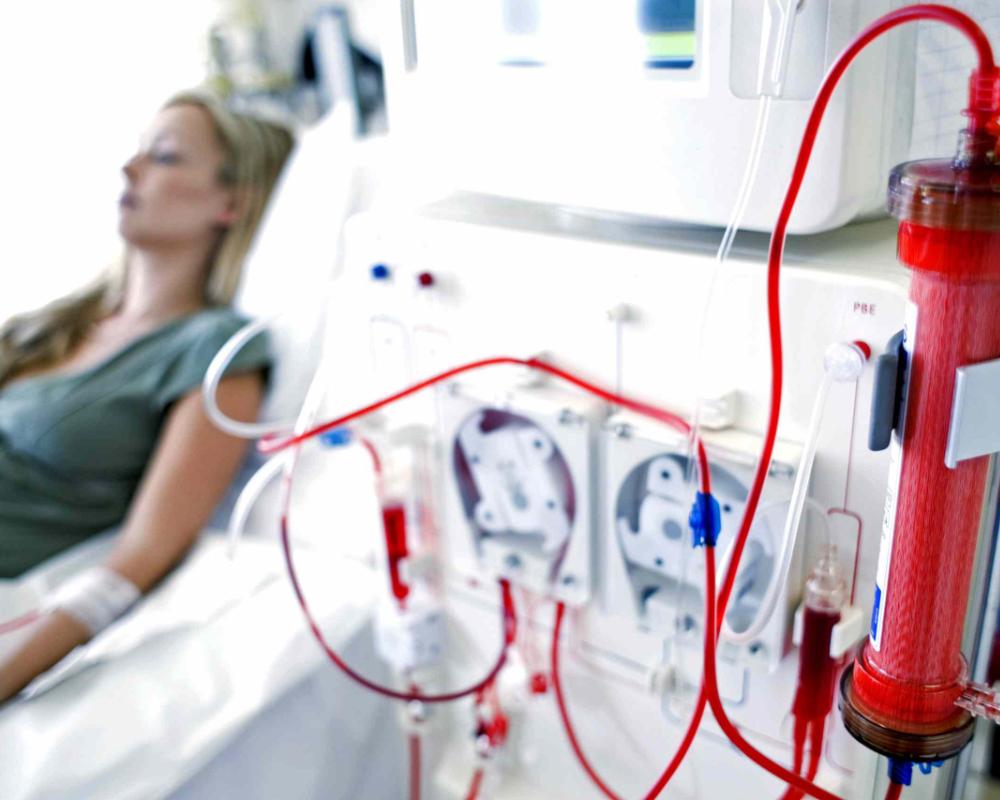
Dialysis is a life-sustaining treatment that performs the filtering work your kidneys can no longer manage. There are two primary types:
-
Hemodialysis: Blood is pumped out of your body, filtered through an artificial kidney machine (dialyzer), and returned to you. This is typically done three times a week at a clinic, though home options exist.
-
Peritoneal Dialysis: This type uses the lining of your own abdomen (the peritoneum) to filter your blood inside your body. It is typically done at home every day, often overnight while you sleep, offering more flexibility.
3. Supportive Care (Conservative Management)
For some individuals, particularly elderly patients with multiple severe health conditions, the challenges of dialysis or a transplant may outweigh the benefits. In these cases, supportive care focuses on managing symptoms, controlling pain, and maintaining comfort and dignity without invasive kidney replacement therapies.
The Importance of Early Detection
The single most critical factor in treating chronic kidney disease successfully is catching it early. Because CKD is often a "silent" disease with no noticeable symptoms in its initial stages, routine blood and urine tests are vital—especially if you have high risk factors like diabetes, hypertension, a family history of kidney disease, or are over the age of 60.
By identifying kidney stress early, you and your medical team can implement lifestyle changes and protective medications that can add years, or even decades, of healthy function to your kidneys.
Summary Checklist for Managing CKD
-
[ ] Know your numbers (keep track of your eGFR and urine albumin-to-creatinine ratio).
-
[ ] Maintain optimal blood pressure control (typically below 130/80 mmHg for kidney patients).
-
[ ] Keep blood sugar levels stable if you have diabetes.
-
[ ] Review all medications and supplements with your doctor to avoid NSAIDs.
-
[ ] Limit sodium intake and consult a renal dietitian regarding protein, potassium, and phosphorus.
-
[ ] Stay physically active and maintain a healthy weight to support cardiovascular health.
Medical Disclaimer
The information provided in this article is for educational and informational purposes only and should not be construed as medical advice. Chronic Kidney Disease is a complex medical condition that requires individualized care. Always consult with a qualified healthcare professional, such as a nephrologist or your primary care physician, before making changes to your diet, medication regimen, or lifestyle.