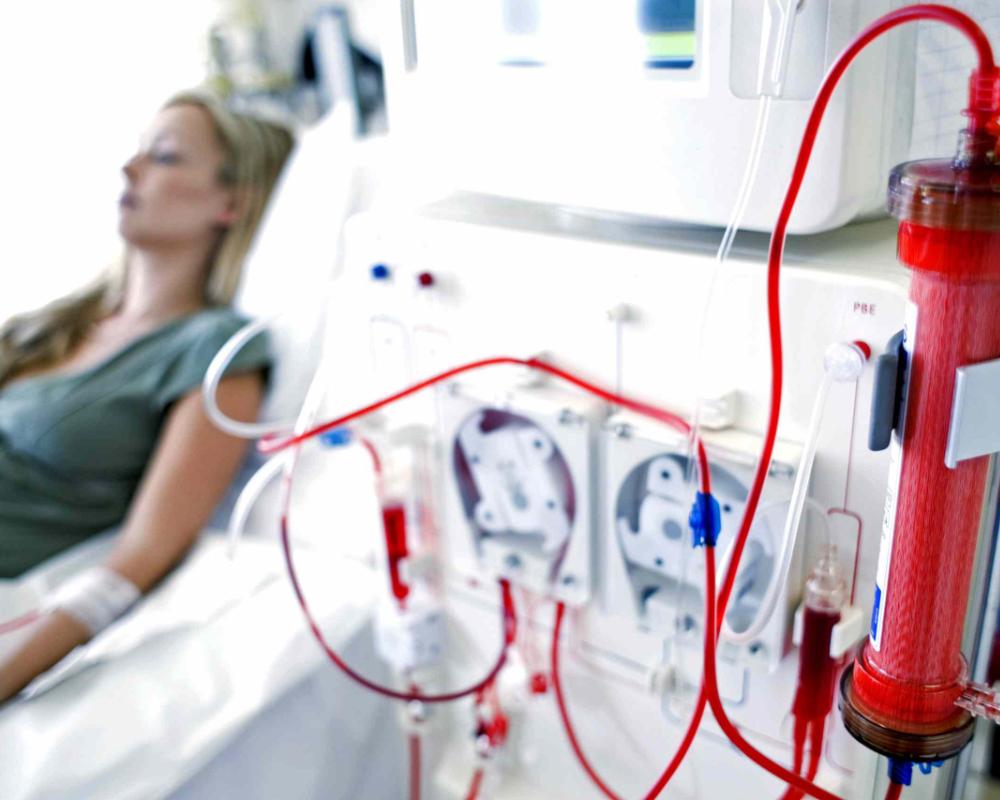

When you or a loved one receives a diagnosis of Chronic Kidney Disease (CKD), it is completely normal to feel overwhelmed, anxious, and deeply concerned about the future. One of the very first questions that arises during this difficult time centers on personal control: can what you eat reverse kidney disease? The fear of dialysis, lifestyle limitations, and disease progression can feel heavy, but understanding the powerful relationship between nutrition and renal function can help transform that anxiety into proactive, positive action.
While structural damage to the delicate filtering units of the kidneys—known as nephrons—cannot typically be undone or magically healed, the right nutritional strategy can achieve something nearly as powerful as reversal. Precision eating can dramatically slow down the progression of CKD, stabilize your current kidney function, and significantly delay or entirely prevent the need for renal replacement therapy. Food acts as a daily form of medicine that directly dictates how hard your remaining nephrons have to work to keep your body balanced.
Transitioning to a kidney-friendly lifestyle does not mean you are condemned to a lifetime of bland, joyless meals. By focusing on highly tailored, nutrient-dense choices, you can protect your remaining kidney function while still enjoying deeply satisfying, flavorful food. Managing CKD is a marathon of consistency, and shifting your mindset from restriction to proactive protection is the most effective first step toward taking back control of your health.
Can Stage 3 Kidney Disease Be Reversed with Diet?
Stage 3 kidney disease represents a critical, pivotal window where your dietary choices wield immense influence over the long-term trajectory of your health. At this stage, your estimated glomerular filtration rate (eGFR) indicates moderate damage, meaning your kidneys are working harder to filter out metabolic waste products and excess fluids. While you cannot physically grow back scarred kidney tissue to completely erase the stage 3 diagnosis, a targeted nutritional plan can successfully halt further degradation, essentially freezing the disease in its tracks and mimicking a state of clinical reversal.
The primary strategy for stage 3 involves reducing the metabolic workload placed on your kidneys by meticulously managing your protein intake. When your body processes protein, it creates a waste product called urea, which the kidneys must filter out. Transitioning toward a plant-forward, lower-protein diet reduces this specific filtering pressure, which prevents the remaining healthy nephrons from burning out due to overwork. Many individuals find that shifting their protein sources from heavy red meats to high-quality plant options stabilizes their laboratory numbers beautifully.
Beyond protein tracking, stage 3 requires careful monitoring of hidden dietary stressors like sodium and refined phosphorus. Excess sodium acts as a primary driver of high blood pressure, which directly batters the delicate blood vessels inside your kidneys. By prioritizing whole, unprocessed foods and cooking with aromatic herbs instead of salt shakers, you can successfully shield your renal system from further damage, keeping your stage 3 status stable for years or even decades to come.
What Foods Repair Kidneys and Boost eGFR?
There is no single "superfood" capable of instantly repairing structural renal scarring or immediately spiking your eGFR numbers on a laboratory test. However, certain foods act as powerful allies by minimizing systemic inflammation, reducing oxidative stress, and preventing the buildup of dangerous metabolic waste products. By incorporating these renal-protective options into your daily routine, you create an internal environment that allows your remaining kidney tissue to function at its absolute highest possible efficiency.
-
Red Bell Peppers: These are exceptionally low in potassium while providing a massive dose of vitamins A and C, offering potent antioxidant defense without overloading your filtration system.
-
Berries (Blueberries and Raspberries): Packed with natural compounds called anthocyanins, these fruits lower body-wide inflammation and protect vascular health.
-
Garlic and Onions: These provide rich, savory depth to dishes without adding sodium, while simultaneously delivering anti-inflammatory properties that support blood pressure control.
When evaluating protein choices, turning toward plant-based proteins like tofu, legumes (if potassium limits allow), and small portions of skinless poultry can make a profound difference. Plant proteins are inherently less acidic than red meats, meaning they produce fewer metabolic acids that your kidneys must actively neutralize. This reduction in acid load protects against metabolic acidosis, a common complication of advanced CKD that further accelerates the decline of your eGFR.
Ultimately, boosting your eGFR is less about finding a miracle cure and much more about creating a sustainable, harmonious eating pattern. Consistently fueling your body with low-acid, low-sodium, and antioxidant-rich foods reduces the biological friction your kidneys experience every single day. Over time, this systemic relief allows your filtration percentages to stabilize, frequently leading to modest, highly encouraging improvements in your overall blood work panels.
How Long Does It Take to Lower Creatinine Levels Through Diet?
When you alter your eating habits to protect your kidneys, it is completely natural to want immediate reassurance from your laboratory results. The timeline for seeing a measurable drop or stabilization in your blood creatinine levels typically spans anywhere from a few weeks to a couple of months. Creatinine is a natural waste byproduct of normal muscle breakdown and dietary meat consumption, so changes in what you consume can impact these numbers relatively quickly once your body adapts to a lighter metabolic workload.
The most immediate drops in creatinine often occur when individuals significantly reduce their intake of cooked red meat. Red meat naturally contains high amounts of creatine, which converts directly into creatinine when heated and digested. By swapping out heavy beef or pork dishes for plant-based proteins or lighter options, you instantly lower the baseline amount of waste entering your bloodstream, which frequently reflects as a positive shift on your very next blood panel.
However, long-term, sustainable stabilization of creatinine requires patience and absolute consistency across your entire lifestyle. Your kidneys need time to operate under reduced stress before your overall chemical trends settle into a reliable, healthy pattern. It is vital to remember that a lack of an immediate, drastic drop does not mean your new lifestyle isn't working; keeping your numbers perfectly steady and preventing them from rising further is a massive clinical victory in the management of CKD.
What Is the Best Diet to Slow Down Kidney Disease Progression?
The absolute best nutritional approach for managing CKD is not a rigid, one-size-fits-all plan, but rather a dynamic framework tailored specifically to your current lab results and lifestyle. Historically, the Mediterranean diet and the DASH (Dietary Approaches to Stop Hypertension) diet have served as incredible blueprints. Both setups heavily emphasize whole grains, lean proteins, and a massive abundance of fresh vegetables, which naturally aligns with the overarching goal of reducing systemic blood pressure and inflammation.
However, a truly effective renal diet must be carefully customized based on your specific blood levels of potassium, phosphorus, and calcium. For instance, while standard healthy diets encourage heavy consumption of high-potassium foods like bananas and potatoes, an individual with advanced CKD and hyperkalemia (high blood potassium) must carefully limit these items to avoid dangerous heart rhythm issues. Working alongside a specialized renal dietitian allows you to safely harness the benefits of a plant-forward framework while avoiding these specific biochemical traps.
+-----------------------------------------------------------------------+
|                       THE CORE RENAL DIET PILLARS                     |
+------------------------------------+----------------------------------+
| PROTEIN CONTROL                    | SODIUM RESTRICTION               |
| Shifts toward plant-forward        | Limits intake to under 2,000mg   |
| options to lower metabolic waste   | per day to protect blood pressure|
| and reduce nephron workload.       | and prevent fluid retention.     |
+------------------------------------+----------------------------------+
| MINERAL BALANCING                  | HYDRATION MANAGEMENT             |
| Tailors potassium and phosphorus   | Adjusts fluid intake based on    |
| intake directly to your specific   | your personal stage of CKD and   |
| laboratory blood panels.           | daily urine output.              |
+------------------------------------+----------------------------------+
Ultimately, the ideal path forward balances medical safety with everyday enjoyment. A successful diet is one that you can happily maintain for years without feeling isolated or deprived. By focusing heavily on fresh, whole foods, minimizing reliance on heavily processed convenience items packed with chemical additives, and keeping a close eye on your portion sizes, you can build a highly effective shield that protects your kidneys and preserves your long-term vitality.
Medical Disclaimer
The information provided in this article is for educational and informational purposes only and should not be construed as medical advice, diagnosis, or treatment. Nutritional needs vary significantly based on individual laboratory values, medications, and the specific stage of Chronic Kidney Disease. Always consult with a qualified physician, nephrologist, or registered renal dietitian before making any drastic changes to your diet, fluid intake, or lifestyle routines.