When you or a loved one is diagnosed with kidney damage, the first question that almost always flashes through your mind is simple, urgent, and deeply personal: Can you fix kidney disease?
The short, honest answer is that it depends entirely on whether the damage is acute (sudden and temporary) or chronic (long-term and progressive). While structural scarring in chronic kidney disease cannot be reversed or "cured" in the traditional sense, modern medicine has completely changed what it means to live with this condition. Today, we have highly advanced tools to stop progression in its tracks, protect your remaining kidney function, and significantly delay or entirely avoid the need for dialysis.
If you are currently managing a diagnosis, feeling overwhelmed, or searching for concrete answers on how to protect your health, this guide provides the clarity, actionable steps, and latest scientific updates you need.
Chronic vs. Acute: When Can You Actually "Fix" a Kidney?
To understand how kidney damage is treated, it helps to look at the two primary types of kidney injury. They have vastly different timelines, causes, and outcomes.
1. Acute Kidney Injury (AKI)
Acute kidney injury is a sudden, rapid decline in kidney function that happens over a few hours or days. It is typically triggered by a severe infection (like sepsis), a sudden drop in blood pressure, dehydration, or toxicity from certain medications.
-
Can it be fixed? Yes. If the underlying cause is treated quickly, the kidneys can often recover completely, returning to their normal, baseline function.
2. Chronic Kidney Disease (CKD)
Chronic kidney disease is defined by gradual, ongoing structural or functional damage that persists for more than three months. It is primarily driven by long-term systemic conditions like type 2 diabetes and hypertension (high blood pressure). Over time, constant stress causes permanent scarring to the nephrons—the tiny filtering units inside your kidneys.
-
Can it be fixed? No, but it can be managed. Scarred nephrons cannot be brought back to life. However, your remaining healthy nephrons are incredibly adaptable. With the right medical intervention, you can preserve your current level of function and prevent further decline.
Medical Breakthroughs: The Modern Toolkit for CKD
For decades, managing chronic kidney disease mostly meant managing blood pressure and waiting for the inevitable decline. Today, the medical landscape looks entirely different. A suite of revolutionary medications directly targets the pathways that cause kidney decline.
SGLT2 Inhibitors: A Diabetes Drug That Saves Kidneys
Originally developed to manage blood sugar in type 2 diabetes, SGLT2 inhibitors (such as dapagliflozin and empagliflozin) have revolutionized nephrology. They work directly within the kidneys by altering fluid pressure and reducing cellular inflammation.
Clinical data shows these medications can significantly delay the progression of mild-to-moderate kidney disease, keeping patients away from dialysis for years longer than standard historic treatments. They are now routinely prescribed to CKD patients, even those without diabetes.
GLP-1 Receptor Agonists
Medications like semaglutide, widely recognized for weight management and blood sugar control, have demonstrated profound secondary benefits for kidney health. Large-scale clinical trials show a major reduction in the risk of progression to end-stage kidney disease and a significant drop in proteinuria (excess protein leaking into the urine), which is a primary indicator of kidney stress.
ACE Inhibitors and ARBs
These traditional blood pressure medications (like enalapril, losartan, and valsartan) remain foundational in kidney care. They specifically dilate the blood vessels leading out of the kidney's filtering units. This lowers the internal physical pressure inside the filters, drastically slowing down the rate of structural scarring.
Managing Your Stages: Preserving Function Step-by-Step
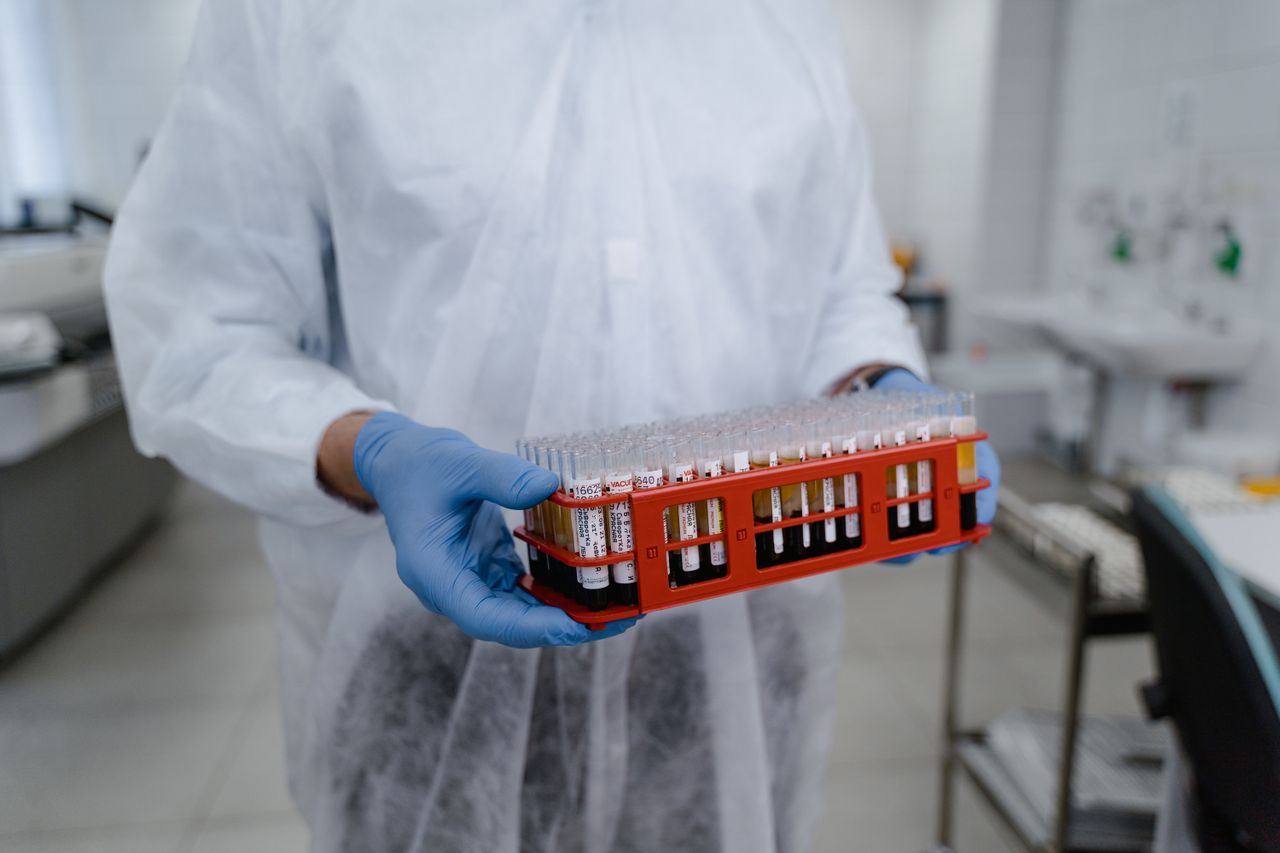
Kidney health is measured primarily by your eGFR (estimated Glomerular Filtration Rate), which tracks how effectively your kidneys filter waste, alongside tests checking for protein in your urine.
High eGFR (90+) ---> Early Stages (Focus on prevention & lifestyle)
Low eGFR (<15)   ---> Advanced Stage (Focus on dialysis & transplant)
Mild to Moderate CKD (Stages 1–3)
In the early-to-mid stages, you will typically feel completely normal. Your primary goal here is aggressive prevention.
-
Strict Blood Pressure Control: Aim for a target consistent with clinical guidelines, typically 130/80 mmHg or lower, particularly if you have protein in your urine or diabetes.
-
Blood Sugar Management: If diabetes is present, keeping your HbA1c in a target range prevents glucose from physically damaging the delicate filters in the kidney.
-
Medication Reviews: Work closely with a nephrologist to introduce kidney-protective medications early, when they can save the highest percentage of functional tissue.
Advanced CKD (Stages 4–5)
When kidney function drops significantly, the focus shifts toward managing systemic complications—such as anemia (a low red blood cell count caused by decreased erythropoietin production) and fluid retention—while actively preparing for renal replacement therapies.
-
Xenotransplantation & Lab-Grown Organs: Clinical research is moving rapidly toward making transplants more accessible. Advancements in genetically modified organ transplants and bio-engineered, lab-grown kidneys are transitioning from experimental phases into highly anticipated clinical alternatives.
-
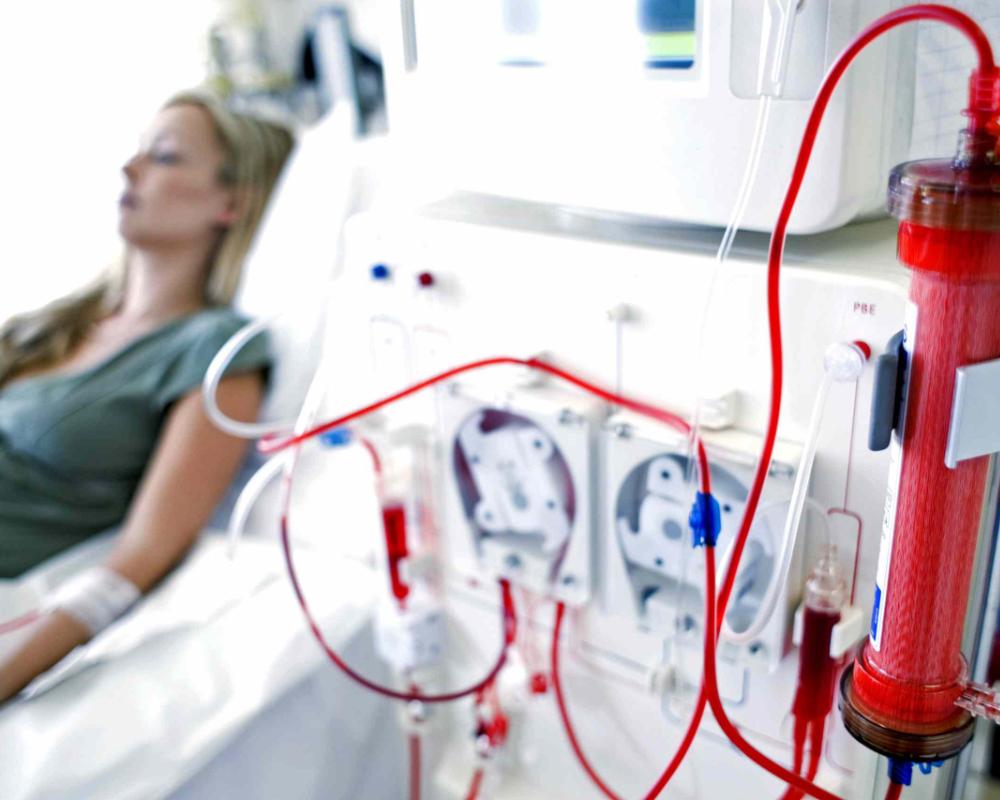
Next-Generation Dialysis: Structural innovations are focusing on improving patient autonomy. This includes user-friendly home hemodialysis setups with real-time remote clinical monitoring, as well as compact, highly efficient wearable or implantable bio-artificial filtration systems designed to mimic natural kidney function continuously.
The Kidney-Friendly Lifestyle: What You Can Control
While medications do the heavy lifting from a clinical perspective, your daily choices form the foundation of kidney preservation.
1. Re-Evaluating Dietary Protein
When your body breaks down dietary protein, it creates a waste product called urea, which your kidneys must filter out. Eating excessive amounts of protein forces your remaining nephrons to work overtime.
Modern dietary guidelines recommend a carefully moderated protein intake for non-dialysis CKD patients. Working with a specialized renal dietitian helps you hit a balance: consuming enough high-quality protein to maintain muscle mass without placing an unnecessary metabolic burden on your filters.
2. The Golden Rule of Sodium
Excess sodium causes your body to retain fluid, which drives up blood pressure and forces your kidneys to filter a higher volume of blood against heavy resistance.
-
The Target: Limit sodium intake to around 2,000 milligrams per day (about one teaspoon of total salt).
-
Where to Look: Eliminate processed foods, cured meats, and instant boxed meals, which contain massive amounts of hidden sodium used as a preservative.
3. Smart Potassium and Phosphorus Monitoring
In later stages of kidney disease, the body struggles to eliminate excess potassium and phosphorus.
-
Potassium: High levels can dangerously disrupt your heart rhythm. If your lab work shows rising numbers, you may need to scale back on high-potassium foods like bananas, spinach, and potatoes.
-
Phosphorus: High phosphorus pulls calcium directly out of your bones, making them brittle. Avoid dark sodas, processed cheeses, and foods with added inorganic phosphate additives.
4. Avoiding Hidden Nephrotone Toxins
Many common, over-the-counter medications can cause profound, irreversible drops in kidney function when taken regularly.
Critical Warning: Non-Steroidal Anti-Inflammatory Drugs (NSAIDs), including ibuprofen and naproxen, constrict the blood vessels entering the kidneys, starving them of oxygen. If you have kidney disease, avoid regular use of NSAIDs entirely. Discuss safer pain management alternatives, like acetaminophen, with your healthcare provider.
Working with a Care Team
You do not have to manage this diagnosis alone. Successfully halting the progression of kidney disease requires a coordinated approach across multiple disciplines.
Your core care team should consist of a primary care physician to oversee your baseline health, a nephrologist (a dedicated kidney specialist) to manage your prescription regimen, and a registered renal dietitian to build a sustainable, customized nutritional plan based on your exact lab values. By actively engaging with your team, monitoring your metrics, and utilizing modern therapeutic breakthroughs, you can take complete control over your kidney health and live a long, vibrant life.
Medical Disclaimer
The information provided in this article is for educational and informational purposes only and should not be construed as medical advice, diagnosis, or treatment. Always seek the advice of your physician or another qualified health provider with any questions you may have regarding a medical condition or treatment plan. Never disregard professional medical advice or delay seeking it because of something you have read here.