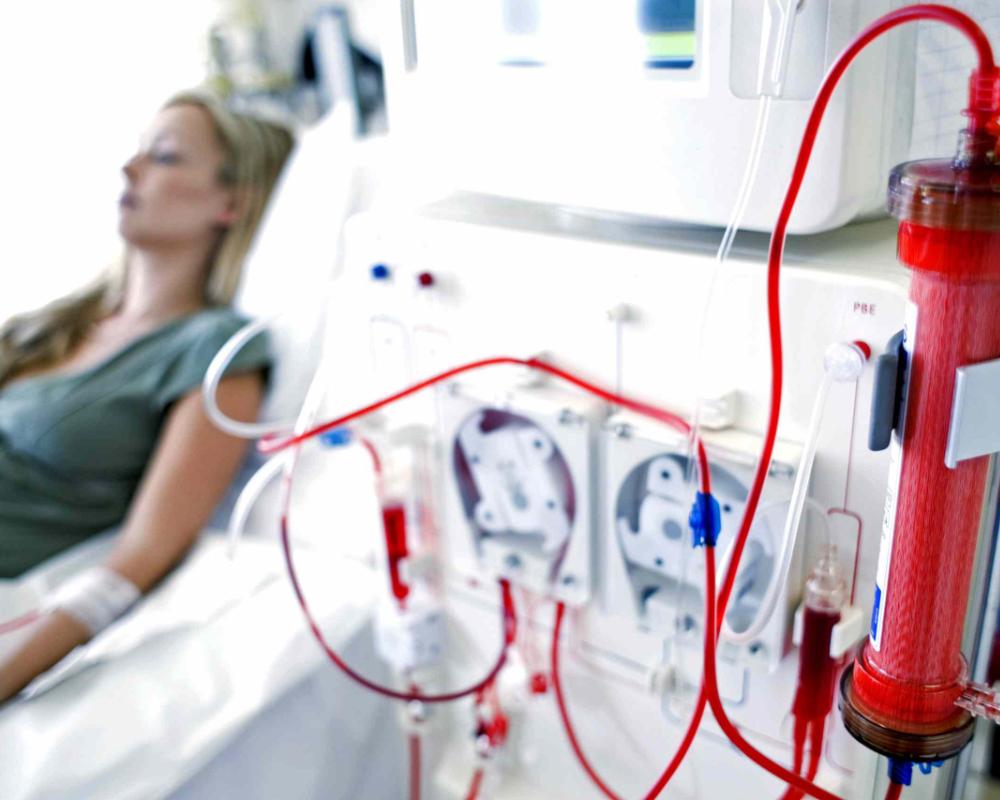

Navigating the complexities of renal health can feel like walking through a fog, but understanding Chronic Kidney Disease healing guidelines is the first step toward regaining control. When your kidneys aren't filtering blood as they should, your entire body feels the impact. Healing in this context isn't necessarily about a "cure" in the traditional sense, but rather about stabilization, preservation of function, and enhancing your quality of life through meticulous care.
How can I stop the progression of kidney damage?
The primary goal of any recovery framework is to slow down further decline. To do this, managing blood pressure is non-negotiable. High pressure damages the delicate capillaries within the kidneys, creating a vicious cycle. Following Chronic Kidney Disease healing guidelines means maintaining a blood pressure reading usually below 130/80 mmHg. Additionally, blood sugar management is vital, as diabetes remains a leading cause of renal distress. By keeping your A1c levels within a target range, you reduce the metabolic stress placed on your filtration system.
What is the best diet for kidney recovery?
Nutrition is perhaps the most powerful tool in your arsenal. Proper Chronic Kidney Disease healing guidelines emphasize a renal-friendly diet that limits sodium, potassium, and phosphorus. High sodium intake leads to fluid retention, which strains the heart and kidneys. You should focus on high-quality, plant-based proteins or lean options to reduce the nitrogenous waste your kidneys must process. Monitoring your micronutrient intake helps prevent complications like bone mineral disorders and hyperkalemia.
Can lifestyle changes truly improve renal function?
Absolutely. Beyond diet, lifestyle modifications form the backbone of long-term wellness. Quitting smoking is essential, as tobacco use impairs blood flow to vital organs. Regular, moderate physical activity—such as walking or swimming—helps maintain cardiovascular health, which is intrinsically linked to kidney health. Furthermore, staying hydrated according to your doctor’s specific fluid recommendations ensures that toxins are flushed effectively without overworking the system.
How do I manage the emotional stress of a CKD diagnosis?
The mental toll of managing a chronic condition is significant. Incorporating Chronic Kidney Disease healing guidelines into your life also means prioritizing mental health. Stress triggers the release of cortisol, which can negatively affect blood pressure. Engaging in mindfulness, joining support groups, or speaking with a renal social worker can provide the emotional fortitude needed to stick to your medical and dietary regimens.
Medical Disclaimer
The information provided in this article is for educational purposes only and does not constitute medical advice, diagnosis, or treatment. Always seek the advice of your physician or other qualified health provider with any questions you may have regarding a medical condition. Never disregard professional medical advice or delay in seeking it because of something you have read here.