
A diagnosis of chronic kidney disease (CKD) often leaves patients feeling overwhelmed. It is entirely normal to feel anxious about what comes next, but a diagnosis does not mean kidney failure is inevitable. Today, chronic kidney disease medical management focuses heavily on early intervention, preservation of remaining function, and holistic care to keep you feeling your best.
Understanding your treatment plan is the first step toward reclaiming control over your health.
The Modern Pillars of CKD Medical Management
The landscape of nephrology has transformed. Medical management is no longer just about waiting and monitoring; it is a proactive, multi-pronged approach designed to slow down kidney decline and protect your heart.
1. Advanced Pharmacotherapy: Beyond Blood Pressure Control
For decades, standard treatment relied almost exclusively on ACE inhibitors (like lisinopril) or Angiotensin II Receptor Blockers (ARBs) to manage high blood pressure and lower protein in the urine (albuminuria). While these remain foundational, clinical practice guidelines from global authorities like KDIGO have introduced highly effective, newer classes of medications:
-
SGLT2 Inhibitors: Originally developed for type 2 diabetes, medications like dapagliflozin and empagliflozin have revolutionized kidney care. They fundamentally change how pressure is handled within the kidney's filtering units, significantly delaying the progression of CKD even in patients without diabetes.
-
GLP-1 Receptor Agonists: Medications such as semaglutide have been shown to offer powerful, dual cardio-kidney protection, reducing the risk of kidney function loss and cardiovascular complications.
-
Nonsteroidal Mineralocorticoid Receptor Antagonists (nsMRAs): Agents like finerenone specifically target inflammation and scarring (fibrosis) in the kidneys and heart.
2. Managing the Core Drivers: Hypertension and Diabetes
High blood pressure and diabetes are the primary culprits behind kidney damage.
-
Blood Pressure Management: Maintaining a target blood pressure—typically $130/80\text{ mmHg}$ or lower—reduces stress on the delicate renal blood vessels.
-
Glycemic Control: Keeping blood sugar levels stable prevents glucose from damaging the filtration systems over time.
Overcoming Common Pain Points: What Patients Ask
"How can I prevent my kidney disease from getting worse?"
Progression is delayed by combining the advanced medications listed above with strict lifestyle modifications. This includes keeping a regular tracking log of your blood pressure at home and getting your Estimated Glomerular Filtration Rate (eGFR) and urine albumin-to-creatinine ratio (ACR) checked at least annually.
"Do I have to go on dialysis right away?"
Absolutely not. The primary goal of comprehensive chronic kidney disease medical management is to prolong your natural kidney function as long as possible, frequently delaying the need for renal replacement therapy (dialysis or kidney transplant) for decades, or avoiding it entirely depending on the stage at diagnosis.
"What should my diet look like?"
Dietary changes are crucial to reduce the workload on your kidneys. A kidney-protective diet generally includes:
-
Sodium Restriction: Limiting intake to under $2,000\text{ mg}$ per day to control blood pressure and reduce swelling (edema).
-
Protein Moderation: Eating a lower-protein diet reduces the accumulation of waste products in the blood.
-
Potassium and Phosphorus Adjustments: Depending on your lab values, you may need to limit foods high in these minerals (like bananas, potatoes, and processed foods) to avoid dangerous shifts in your blood chemistry.
Avoiding Hidden Risks
Medication stewardship is a critical component of safety. Many over-the-counter products can cause direct injury to compromised kidneys. It is vital to avoid Non-Steroidal Anti-Inflammatory Drugs (NSAIDs) like ibuprofen and naproxen, as they can abruptly decrease blood flow to your kidneys. Always consult your primary care clinician or nephrologist before starting any new supplement or medication.
By partnering closely with your healthcare team, optimizing your medication regimen, and embracing targeted lifestyle shifts, managing CKD becomes a predictable, structured journey toward protecting your long-term health.
As chronic kidney disease (CKD) advances, the kidneys gradually lose their ability to filter waste products and excess fluid from the blood. Recognizing the physical signs of progression is vital, as it allows your healthcare team to adjust your medical management and prepare for advanced treatment options like dialysis.
Here is what to look out for as CKD progresses, and how dialysis ultimately becomes necessary.
Symptoms of Advanced CKD Progression
In the early stages, CKD is often a "silent" condition. However, as kidney function drops significantly—typically moving into Stage 4 and Stage 5 (End-Stage Renal Disease, or ESRD)—toxins and fluids build up in the body, leading to noticeable symptoms:
-
Severe Fatigue and Weakness: As kidney function declines, the kidneys produce less of a hormone called erythropoietin (EPO), which tells your body to make red blood cells. This leads to anemia, causing profound tiredness, shortness of breath, and pale skin.
-
Fluid Retention (Edema): When the kidneys can no longer eliminate excess water and sodium, fluid builds up. This manifests as swelling in the legs, ankles, feet, or hands, and can lead to fluid in the lungs (pulmonary edema), causing shortness of breath.
-
Uremia (Toxin Buildup): The accumulation of nitrogenous waste products in the blood causes a cluster of symptoms known as uremia, which includes:
-
Nausea, vomiting, and loss of appetite (often leading to unintended weight loss).
-
A persistent metallic taste in the mouth or ammonia-scented breath.
-
Severe, widespread itching (pruritus) caused by high phosphorus levels and waste buildup in the skin.
-
-
Changes in Urination: You may notice a significant decrease in the amount of urine you pass, or your urine may appear unusually foamy (indicating high levels of protein leakage).
-
Brain Fog and Difficulty Concentrating: High levels of circulating toxins can impact the central nervous system, leading to confusion, memory issues, or trouble focusing.
How Dialysis Becomes Necessary
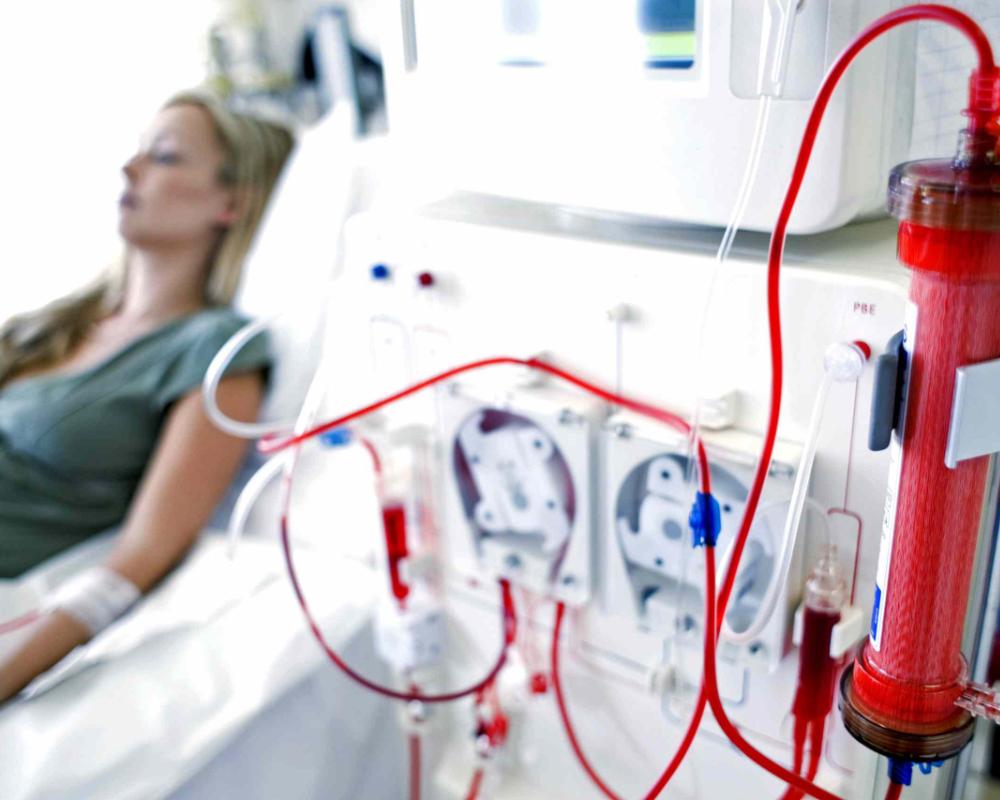
Dialysis is a life-sustaining treatment that performs the filtering work your kidneys can no longer manage on their own. It becomes necessary when kidney function declines to a point where your body can no longer maintain chemical and fluid balance, a state known as kidney failure.
Medical teams generally use two main criteria to determine when to start dialysis:
1. Lab Numbers (eGFR)
Your Estimated Glomerular Filtration Rate (eGFR) tracks your overall kidney function. When your eGFR drops below 15 (Stage 5 CKD), you are in kidney failure. While some patients can manage symptoms with strict medical therapy a bit longer, dialysis is typically initiated when the eGFR falls between $5$ and $10\text{ mL/min/1.73m}^2$.
2. Clinical Symptoms and Complications (The True Deciding Factor)
Doctors rarely rely on lab numbers alone; the decision to start dialysis is heavily guided by how you feel and whether your body is experiencing life-threatening complications. Dialysis becomes urgent or necessary when a patient develops:
-
Fluid Overload: If fluid builds up in the lungs or around the heart and does not respond to high-dose diuretic medications, dialysis is needed to mechanically remove the water and prevent respiratory failure.
-
Hyperkalemia (High Potassium): Kidneys filter out potassium. If potassium levels rise dangerously high, it can disrupt the electrical signals of the heart, causing life-threatening arrhythmias. If medication cannot lower it, emergency dialysis is required.
-
Severe Metabolic Acidosis: The kidneys maintain the body's acid-base balance. A dangerous buildup of acid in the blood that cannot be corrected with oral supplements requires dialysis.
-
Uremic Pericarditis: This is a serious condition where uremic toxins cause inflammation of the sac surrounding the heart (the pericardium), which can impair heart function.
By tracking these symptoms and lab trends early, you and your nephrologist can make an informed, unhurried choice between hemodialysis (filtering blood through a machine) or peritoneal dialysis (using the lining of your abdomen to filter waste), ensuring a safer transition into the next phase of your care.
Medical Disclaimer
This content is for informational and educational purposes only and does not substitute for professional medical advice, diagnosis, or treatment. Always seek the advice of your physician or other qualified health provider with any questions you may have regarding a medical condition or treatment regimen.