
Facing a diagnosis of chronic renal disease can feel overwhelming, like navigating a complex maze without a map. Often referred to as chronic kidney disease, this condition involves the gradual loss of kidney function over time. Because the kidneys are responsible for filtering waste and excess fluids from your blood, their health is central to your overall well-being.
In this guide, we will explore the nuances of chronic renal disease, addressing the most pressing concerns for those living with the condition and offering actionable insights for managing kidney health.
What are the early warning signs of chronic renal disease?
One of the most challenging aspects of chronic renal disease is that it is often a "silent" condition. In the early stages, many people experience no symptoms at all. However, as renal function begins to decline, certain red flags may emerge.
Common early indicators include:
-
Persistent Fatigue: A buildup of toxins in the blood can make you feel tired and weak.
-
Changes in Urination: You may notice you need to urinate more often, or your urine appears foamy (a sign of proteinuria or protein in the urine).
-
Swelling (Edema): Decreased kidney function leads to sodium retention, causing swelling in your feet, ankles, or hands.
-
High Blood Pressure: Hypertension is both a cause and a symptom of kidney damage.
To catch the disease early, doctors often monitor your Glomerular Filtration Rate (GFR) and creatinine levels through routine blood work.
Can you reverse chronic renal disease once it starts?
A common point of anxiety for patients is whether the damage can be undone. Generally, chronic renal disease is considered a progressive condition, meaning once the kidney tissues are scarred, they cannot be fully "cured." However, the goal of modern medicine is to slow the progression or stop it entirely.
With the guidance of a nephrologist, many patients successfully manage the condition for decades. This involves:
-
Strict Blood Sugar Control: If you have diabetes management needs, keeping your glucose in check is vital.
-
Blood Pressure Management: Keeping your blood pressure within a healthy range protects the delicate vessels in the kidneys.
-
Medication Adherence: Certain medications can reduce the workload on your kidneys and prevent further scarring.
What is the best diet for someone with chronic renal disease?
Nutrition is perhaps the most powerful tool you have in managing chronic renal disease. A "renal diet" is designed to reduce the amount of waste the kidneys need to process, which helps maintain electrolyte balance.
Key dietary adjustments often include:
-
Reducing Sodium: Lowering salt intake helps control blood pressure and reduces fluid retention.
-
Monitoring Potassium and Phosphorus: As renal function decreases, the body struggles to filter these minerals. High levels can lead to heart issues or weakened bones.
-
Protein Regulation: While protein is essential, consuming too much can put extra strain on the kidneys. Your doctor might suggest high-quality, plant-based proteins or specific lean meats.
How does chronic renal disease affect your daily life?
Living with chronic renal disease is about more than just medical appointments; it’s about adjusting to a "new normal." Many patients report "brain fog" or difficulty concentrating. The emotional toll is also significant, as the fear of future complications can lead to anxiety or depression.
However, many people continue to lead full, active lives. Staying physically active, joining support groups, and maintaining open communication with your healthcare team can significantly improve your quality of life. Understanding your glomerular filtration rate and knowing where you stand in the stages of the disease empowers you to make informed decisions about your daily activities.
When do you need dialysis for chronic renal disease?
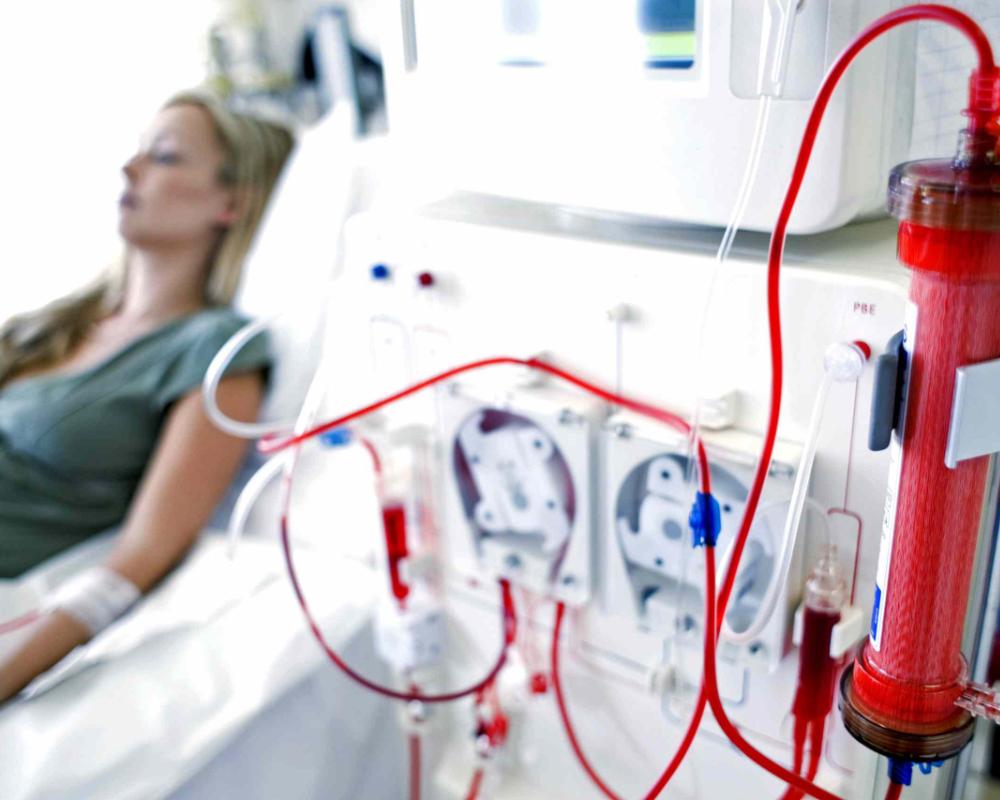
The prospect of dialysis can be frightening, but it is a life-sustaining treatment for those whose kidneys can no longer keep up with the body's needs. Typically, dialysis is considered when chronic renal disease reaches Stage 5, also known as end-stage renal disease (ESRD).
At this stage, your nephrologist will discuss two main paths:
-
Dialysis: A process that uses a machine to filter your blood (hemodialysis) or uses the lining of your abdomen to filter waste (peritoneal dialysis).
-
Kidney Transplant: For many, a transplant offers the best chance at returning to a life free from dialysis.
By staying proactive and informed, you can take control of your journey with chronic renal disease.