
When you or a loved one receives a diagnosis related to your kidneys, the very first question that usually flashes through your mind is simple, urgent, and deeply human: Does kidney disease go away?
The short answer is that it depends entirely on the type of kidney damage you have. The human kidneys are incredibly resilient, but they also have strict limits when it comes to healing.
To truly answer this question, we have to look at the two vastly different paths kidney disease can take: Acute Kidney Injury (AKI), which can often be reversed, and Chronic Kidney Disease (CKD), which is generally a permanent, lifelong condition.
The Two Types of Kidney Disease: Reversible vs. Permanent
To understand if your kidneys can get better, a doctor must first determine whether the damage is sudden and temporary, or slow and long-term.
1. Acute Kidney Injury (AKI): The Reversible Condition
Acute Kidney Injury (often called acute kidney failure) is a sudden, rapid decline in kidney function. It usually happens over a matter of hours or days.
Because AKI is a sudden response to an external stressor, it frequently can go away. If the underlying cause is caught and treated quickly, kidney function can completely return to normal, or very close to it.
Common triggers for AKI include:
-
Severe Dehydration: A drastic drop in blood volume reduces blood flow to the kidneys, causing them to struggle.
-
Medication Toxicity: High doses of nonsteroidal anti-inflammatory drugs (NSAIDs) like ibuprofen, or certain intravenous contrast dyes used in medical scans, can shock the kidneys.
-
Infections and Sepsis: A severe, systemic infection can cause inflammation that impairs kidney function.
-
Physical Blockages: Kidney stones, tumors, or an enlarged prostate can block urine flow out of the body, backing up pressure into the kidneys.
2. Chronic Kidney Disease (CKD): The Permanent Condition
Chronic Kidney Disease is entirely different. It is defined as gradual kidney damage or a decrease in kidney function that lasts for three months or longer.
Unlike AKI, Chronic Kidney Disease does not go away. Once the nephrons (the tiny, microscopic filtering units inside your kidneys) are scarred and destroyed by chronic conditions, they cannot regenerate or grow back.
However, "permanent" does not mean "hopeless." While you cannot cure CKD, you can dramatically slow down its progression, preventing it from turning into kidney failure.
Why Can’t Chronic Kidney Disease Go Away?
To understand why CKD is irreversible, think of your kidneys as an intricate network of millions of delicate coffee filters.
When high blood sugar or high blood pressure hammers away at these filters over a period of years, the filters don't just get dirty—they tear and develop permanent scar tissue (a process called glomerulosclerosis).
The human body cannot replace scarred kidney tissue with healthy, functioning tissue. As a result, the remaining healthy filters have to work twice as hard to pick up the slack. Over time, this extra workload can cause the healthy filters to burn out too, which is why CKD tends to progress if left unmanaged.
Managing and Slowing Down Chronic Kidney Disease
If you have been diagnosed with early-stage CKD (Stages 1, 2, or 3), your goal shifts from trying to make the disease go away to keeping your kidney function exactly where it is. Millions of people live long, vibrant lives with stable, early-stage CKD without ever needing dialysis.
Here are the most critical strategies for protecting your remaining kidney function:
Strict Blood Pressure Control
High blood pressure is both a leading cause and a major consequence of kidney disease. It damages the delicate blood vessels feeding your kidneys. Doctors typically target a blood pressure reading of less than 130/80 mmHg for kidney patients. Medications known as ACE inhibitors or ARBs are frequently prescribed because they protect the kidneys while lowering pressure.
Blood Sugar Management
If you have diabetes, managing your hemoglobin A1c is the single most important thing you can do for your kidneys. High glucose levels act like shards of glass in the bloodstream, damaging the filtering units over time. Newer classes of medications, such as SGLT2 inhibitors, have shown remarkable success in protecting kidney health in people with diabetes.
Cardiovascular Health
Your heart and kidneys operate as a team. If your heart is struggling to pump blood efficiently, your kidneys don't get the oxygen-rich blood they need to filter waste. A heart-healthy lifestyle directly translates to a kidney-healthy lifestyle.
Early Signs, Detection, and Key Lab Metrics
One of the reasons kidney disease often progresses silently is that the kidneys are incredibly stoic. You can lose up to 90% of your kidney function before you start experiencing severe symptoms like persistent nausea, chronic fatigue, dramatic swelling in your ankles, or changes in how often you urinate.
Because early signs are rare, routine blood and urine tests are vital. Doctors rely on two primary metrics to track your kidney health:
| Test Name | What it Measures | What the Numbers Mean |
| eGFR (Estimated Glomerular Filtration Rate) | Your kidneys' filtering efficiency based on waste levels in your blood. | A score of 90 or above is normal. A score below 60 for over three months indicates Chronic Kidney Disease. |
| UACR (Urine Albumin-to-Creatinine Ratio) | The presence of a protein called albumin in your urine. | Healthy kidneys keep protein in the blood. A high UACR score means the kidney filters are "leaking" protein into the urine, an early sign of damage. |
The Role of Diet and Lifestyle Changes
What you put into your body has a direct impact on how hard your kidneys have to work. While a dietary shift won't cure permanent kidney damage, it can take an immense amount of stress off your filtering system.
-
Reduce Sodium Intake: Excess salt forces your body to retain fluid, driving up your blood pressure and stressing kidney blood vessels. Aim for fresh, whole foods rather than processed or packaged items.
-
Monitor Protein Consumption: When your body breaks down protein, it creates a waste product called urea, which the kidneys must filter out. Eating excessive amounts of protein—especially dark meats—forces the kidneys to work overtime. Your doctor or a renal dietitian can help you find a safe balance.
-
Stay Appropriately Hydrated: While drinking water is vital for preventing acute issues like kidney stones or dehydration-induced AKI, chugging excessive amounts of water will not "flush out" chronic kidney disease or make it go away. Drink to satisfy your thirst, and follow your doctor's specific fluid guidelines if you are in later stages of CKD.
Advanced Stages: End-Stage Renal Disease (ESRD)
If CKD progresses to Stage 5, it is classified as End-Stage Renal Disease (ESRD), or kidney failure. At this point, your kidney function has dropped below 15%, and your organs can no longer keep you alive on their own. Waste products and fluids build up to dangerous, life-threatening levels in your bloodstream.
When kidney failure occurs, there are two primary life-sustaining treatment paths:
Dialysis
Dialysis is a medical treatment that performs the filtering work your kidneys can no longer manage.
-
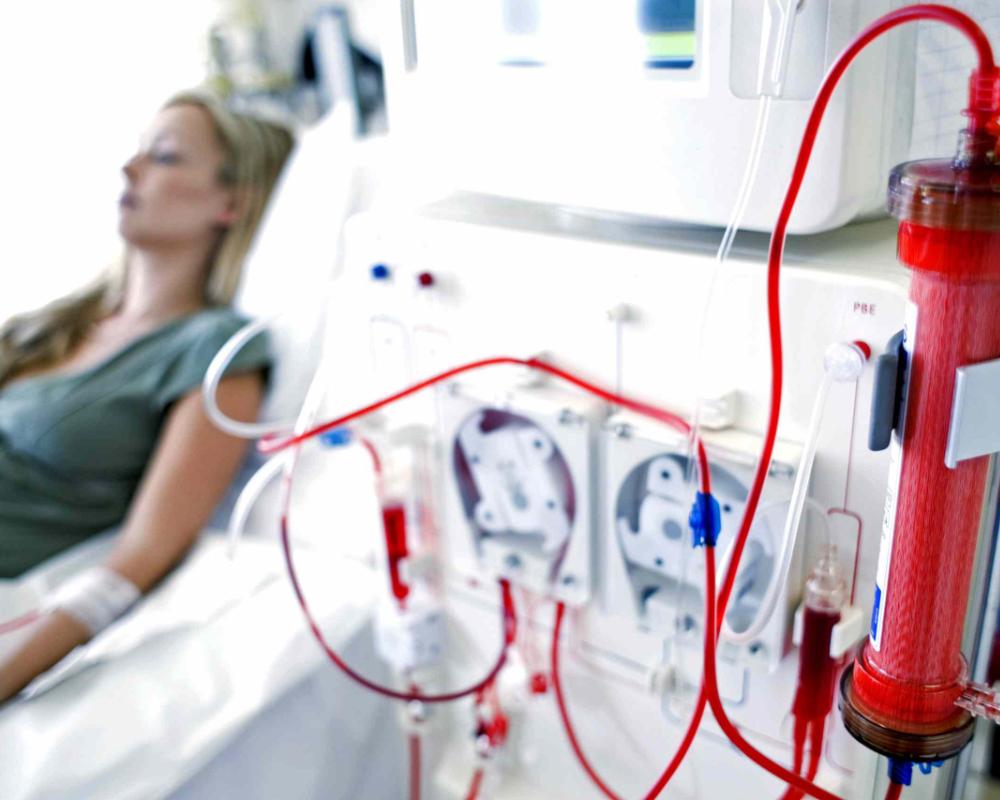
Hemodialysis uses a machine (an artificial kidney) to pump your blood out of your body, filter it through a special membrane, and return it to you clean. This is usually done at a clinic three times a week.
-
Peritoneal Dialysis uses the lining of your own abdomen to filter your blood internally, using a specialized fluid that you change out several times a day or overnight while you sleep.
Kidney Transplant
A kidney transplant is a surgical procedure where a healthy kidney from a living or deceased donor is placed into your body. While a transplant is a life-changing treatment that offers much higher quality of life and freedom than dialysis, it is still not a definitive cure. You will need to take anti-rejection medications for the rest of your life to keep your immune system from attacking the new organ, and transplanted kidneys generally have a limited lifespan before another intervention is required.
Summary of Key Takeaways
-
Acute Kidney Injury (AKI) happens suddenly and can often go away entirely if the primary cause is treated.
-
Chronic Kidney Disease (CKD) develops slowly over time and is a permanent, irreversible condition because scarred kidney tissue cannot heal.
-
Progression can be slowed dramatically through careful blood pressure control, blood sugar management, lifestyle improvements, and targeted medications.
-
Early detection via routine eGFR and urine protein tests is crucial since early-stage kidney disease rarely displays obvious symptoms.
Medical Disclaimer
The information provided in this article is for educational and informational purposes only and should not be construed as medical advice, diagnosis, or treatment. Always seek the advice of your physician or another qualified healthcare provider with any questions you may have regarding a medical condition or treatment plan. Never disregard professional medical advice or delay seeking it because of something you have read online.