
Living with Chronic Kidney Disease (CKD) means you are likely already familiar with managing your kidney health day-to-day. However, having CKD significantly increases your risk of experiencing a sudden, sharp decline in kidney function known as acute kidney injury (AKI). When doctors talk about managing this sudden drop, they look to clinical guidelines for acute renal failure to stabilize patients and protect remaining kidney function. For someone already managing chronic disease, a temporary spike in kidney damage can feel terrifying, but understanding how medical teams approach this crisis can help you advocate for your health.
Medical guidelines for acute renal failure are designed to help healthcare providers quickly identify the root cause of sudden kidney distress, reverse the damage if possible, and prevent further injury. In a patient who already has CKD, this is often referred to as "acute-on-chronic" kidney failure. The guidelines focus heavily on identifying whether the sudden drop is caused by lack of blood flow to the kidneys (prerenal), direct damage to the kidney tissue itself (intrinsic), or a blockage in the urinary tract (postrenal).
For a CKD patient, knowing these clinical pathways changes how you interact with your care team during an emergency. The protocols dictate everything from how your fluids are managed to which medications must be paused immediately to protect your organs. By understanding these guidelines, you can better understand why your doctors are ordering specific tests, altering your daily medication regimen, or tracking your fluid intake so meticulously.
What Are the Guidelines for Acute Renal Failure in CKD Patients?
When a person with existing kidney disease shows signs of sudden decline, doctors immediately turn to established guidelines for acute renal failure to direct their care. The primary framework used globally comes from organizations like KDIGO (Kidney Disease: Improving Global Outcomes). For CKD patients, these guidelines dictate a much faster, more aggressive intervention strategy because your kidneys already have less reserve capacity to bounce back from an injury compared to healthy kidneys.
The first step in these guidelines is rapid staging based on blood tests and urine output. Providers look at how sharply your serum creatinine has jumped from your baseline CKD levels and whether your urine output has suddenly dropped over a period of hours. For CKD patients, standard baseline numbers are already altered, so doctors must look at your personal historical lab trends rather than standard healthy reference ranges to determine the severity of the acute injury.
Once staged, the guidelines mandate an immediate review of all current medications, a careful rebalancing of intravenous fluids, and the avoidance of common diagnostic procedures that require contrast dyes, which can be toxic to stressed kidneys. The protocol essentially acts as an emergency shield, shifting the treatment focus from routine CKD maintenance to crisis management to prevent the injury from triggering permanent, irreversible damage or the immediate need for dialysis.
How Doctors Determine Your AKI Stage
Medical protocols break acute injuries down into three distinct stages based on how high your creatinine rises or how low your urine volume drops. Stage 1 represents a mild baseline shift, while Stage 3 indicates a severe drop in function, often requiring urgent intervention. For a CKD patient, a transition to Stage 3 is treated with the highest level of medical urgency.
Why Your Medication Regimen Changes
During an acute episode, standard guidelines require doctors to temporarily pause several medications that are normally beneficial for CKD. Drugs like ACE inhibitors, ARBs, and certain diuretics may be stopped because, during an acute crisis, they can inadvertently lower blood pressure inside the filtering units of the kidney, worsening the injury.
The Role of Fluid Management
Fluid tracking is a cornerstone of acute kidney protocols. Doctors must walk a tight line: giving too little fluid can starve the kidneys of the blood flow they need to recover, while giving too much fluid can overload a CKD patient's compromised system, leading to dangerous fluid buildup in the lungs and swelling in the limbs.
How Can I Prevent Acute Kidney Injury When I Already Have CKD?
Preventing a sudden decline requires active partnership between you and your nephrology team, heavily informed by preventative guidelines for acute renal failure. Because your kidneys are already working harder to filter waste, they are highly sensitive to sudden stressors like dehydration, infections, or everyday over-the-counter medications. Prevention centers around minimizing these spikes of stress before they can cause an acute episode.
A critical preventative strategy highlighted in clinical guidelines is strict medication safety. Everyday over-the-counter pain relievers known as NSAIDs (such as ibuprofen and naproxen) are major triggers for acute kidney injury in people with CKD. Guidelines advise patients to avoid these completely, as they constrict blood vessels leading to the kidneys, potentially cutting off vital oxygen and blood supply to an already vulnerable organ.
Additionally, staying properly hydrated and managing infections quickly are vital defensive steps. If you experience illness involving severe vomiting, diarrhea, or a high fever, your fluid balance can collapse rapidly. Guidelines suggest contacting your nephrologist immediately during these illnesses rather than waiting it out, as early intravenous fluid support in a clinical setting can completely avert a costly and damaging episode of acute renal failure.
Mastering Medication Safety
Beyond avoiding NSAIDs, preventing acute failure means ensuring every doctor you see knows your exact CKD stage. Certain common antibiotics and diabetes medications require dose adjustments based on your kidney function to prevent them from building up to toxic levels that could cause a sudden kidney injury.
Managing Dehydration Risks Safely
While hydration is key to preventing acute injury, CKD patients must balance this carefully if they are on fluid restrictions. Guidelines recommend tracking your daily weight during illnesses; a sudden drop in weight can indicate rapid fluid loss that needs medical attention before it harms your kidneys.
Preparing for Medical Procedures
If you need an imaging scan, a biopsy, or a surgery, standard medical guidelines require pre-procedure protocols for CKD patients. This often involves receiving specialized IV fluids before and after the procedure to flush out any contrast dyes or medications that could cause sudden kidney distress.
When Does Acute Renal Failure Require Temporary Dialysis?
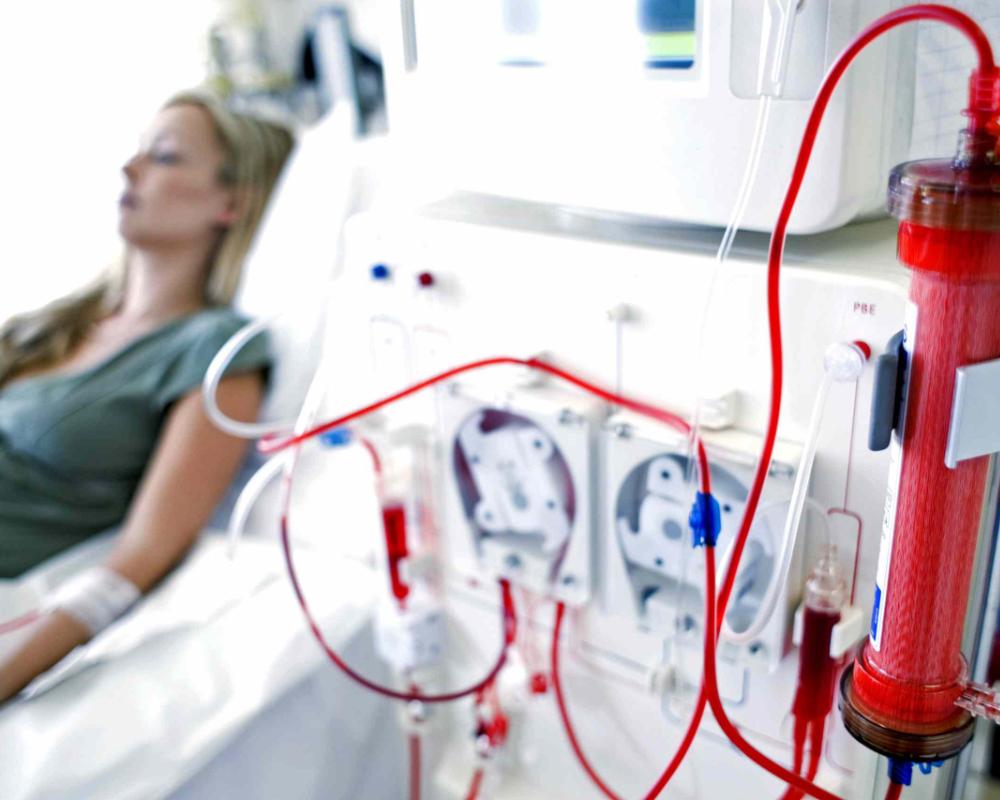
One of the deepest anxieties for many CKD patients is the fear that a sudden illness will force them onto dialysis. According to guidelines for acute renal failure, dialysis is introduced during an acute spike as a temporary life-support measure, not necessarily a permanent sentence. It is used to do the heavy lifting of filtering your blood while your injured kidney tissue attempts to heal from the sudden trauma.
Clinical criteria for starting temporary dialysis during an acute injury focus on severe, life-threatening imbalances that cannot be corrected with medication alone. Doctors use mnemonic tools to remember these critical triggers, which include dangerously high potassium levels (hyperkalemia), severe fluid overload causing breathing failure, or a dangerous buildup of acidic waste products in your blood (metabolic acidosis).
If your kidney function drops to the point where toxins are causing symptoms like severe confusion, nausea, or inflammation around the heart (pericarditis), the guidelines mandate starting renal replacement therapy. For many CKD patients, once the underlying cause of the acute injury is resolved—such as clearing a severe infection or stopping a toxic drug—the kidneys gradually recover back to their previous CKD baseline, allowing the temporary dialysis to be safely discontinued.
Recognizing Emergency Symptoms
A major buildup of uremic toxins can alter your mental state, cause extreme fatigue, or create a distinct metallic taste in your mouth. Guidelines look at these physical symptoms alongside lab numbers to decide exactly when the body requires the mechanical support of a dialysis machine.
How Temporary Dialysis Differs
Temporary dialysis in an acute setting often uses a temporary catheter placed in a large vein, rather than the permanent surgical fistulas used for long-term chronic dialysis. This setup is designed for short-term use, keeping options open for your kidneys to resume their normal workload once the acute inflammation subsides.
Tracking the Recovery Phase
The guidelines outline specific markers for weaning patients off temporary dialysis, such as a steady increase in daily urine volume and a stabilizing creatinine level. This recovery window can take anywhere from a few days to several weeks, requiring patience and close monitoring by your care team.
Medical Disclaimer
This content is for informational and educational purposes only and should not be considered professional medical advice, diagnosis, or treatment. Always consult with your nephrologist, primary care physician, or another qualified healthcare provider regarding any questions you have about Chronic Kidney Disease, acute kidney injury, or changes to your medication and treatment plans. Never disregard professional medical advice or delay seeking it because of something you read online.