
Finding out that your kidneys aren't working at 100% can feel overwhelming. It is completely natural to feel a rush of anxiety, especially when terms like "chronic kidney disease" or "kidney failure" enter the conversation. The most important thing to know right now is that a diagnosis is not a dead end. Today's medical landscape offers a powerful, highly personalized toolkit to protect your remaining kidney function and keep you feeling well.
So, how can kidney disease be treated? The short answer is that treatment is no longer a one-size-fits-all approach. Instead, it relies on a layered strategy: slowing down damage with breakthrough medications, managing your blood pressure and blood sugar, making mindful changes to your plate, and, if necessary, utilizing advanced therapies like dialysis or a transplant.
Let's break down exactly what this looks like, what your options are, and how you can take control of your health.
Early to Mid-Stage Care: The Power of Preservation
In the early and intermediate stages of chronic kidney disease (CKD)—often referred to as Stages 1 through 3—the main objective is nephroprotection, which simply means shielding your remaining kidney filters from further wear and tear. Your kidneys contain millions of tiny filtering units called nephrons. Once damaged, they cannot be fully repaired, but they can be fiercely protected.
The Foundation: Blood Pressure and Blood Sugar Control
If you have high blood pressure or diabetes, treating those conditions is your absolute first line of defense for your kidneys. High blood pressure acts like a turbulent river, tearing at the delicate filters inside your kidneys. High blood sugar coats those filters like sticky syrup, causing inflammation and scarring.
Doctors rely on specific families of medications to handle this:
-
ACE Inhibitors and ARBs: Medications like lisinopril or losartan do double duty. They lower your systemic blood pressure and physically relax the blood vessels inside the kidneys, easing the internal fluid pressure. This drastically reduces proteinuria (excess protein leaking into your urine), which is a major driver of kidney decline.
-
SGLT2 Inhibitors: Originally developed for type 2 diabetes, medications like dapagliflozin and empagliflozin have completely revolutionized modern kidney care. They work by prompting the kidneys to flush out excess sugar and salt through your urine. Clinical trials show they heavily reduce the strain on both your heart and kidneys, working remarkably well even for patients who do not have diabetes.
-
GLP-1 Receptor Agonists: Medications like semaglutide have emerged as incredible tools for renal protection. By curbing systemic inflammation, reducing metabolic stress, and protecting the cardiovascular system, they provide a strong shield against major kidney events.
Advanced Targets for Specific Kidney Diseases
For people dealing with highly specific types of kidney issues—such as IgA Nephropathy (IgAN), where abnormal proteins build up and inflame the filters—treatments have shifted toward highly precise, disease-modifying therapies. Innovative options like sibeprenlimab (a monoclonal antibody that blocks the production of abnormal proteins) and sparsentan have changed the outlook for these conditions by directly stopping inflammation and slowing long-term decline.
Similarly, rare immune-driven conditions like Complement 3 Glomerulopathy (C3G) are now treated with advanced complement inhibitors like iptacopan or pegcetacoplan. These therapies calm down the overactive parts of your immune system that accidentally target your own renal tissue.
Modifying What is on Your Plate: The Renal Diet
You cannot talk about treating kidney disease without looking at lifestyle modifications. What you eat directly dictates how hard your kidneys have to work. When your filters are compromised, metabolic waste products can rapidly accumulate in your bloodstream.
Managing your diet means working closely with a renal dietitian to balance several key nutrients:
-
Sodium: Excess salt forces your body to hold onto water, driving up blood pressure and putting immense strain on your heart and kidneys. Limiting sodium helps keep fluid levels steady.
-
Protein: When your body processes protein, it creates a waste product called urea. Too much protein forces your kidneys to work overtime to clear this waste. Shifting toward moderate, high-quality protein choices—often emphasizing plant-based foods—keeps the workload manageable.
-
Potassium and Phosphorus: As kidney function drops, these minerals can build up to dangerous levels. High potassium can cause unsafe heart rhythms, while high phosphorus leaches calcium out of your bones, making them brittle.
Managing the Side Effects of Kidney Decline
Your kidneys do far more than just filter fluid; they also produce critical hormones and balance your internal biochemistry. Because of this, treating kidney disease also means actively managing its side effects.
Combating Anemia
Healthy kidneys produce a hormone called erythropoietin, which signals your bone marrow to create red blood cells. When kidneys are damaged, this signal fades, causing anemia (a low red blood cell count) that leaves you feeling exhausted and short of breath.
Medical updates favor a highly individualized approach to anemia care:
-
Iron Optimization: Ensuring your body has enough iron is the first step. Advanced, highly bioavailable intravenous (IV) iron regimens are frequently used to treat iron deficiency directly.
-
Erythropoiesis-Stimulating Agents (ESAs): These traditional injectable medications act like synthetic versions of your body's missing hormone, safely prompting your bone marrow to make more red blood cells.
-
HIF Stabilizers: These newer oral medications stimulate your body's natural erythropoietin pathways. However, because of strict safety considerations regarding cardiovascular health, doctors assess these on a careful, case-by-case basis.
Protecting Your Bones
Kidneys activate Vitamin D, which allows your body to absorb calcium. When they struggle, a hormonal imbalance called Secondary Hyperparathyroidism can occur, causing your body to steal calcium from your skeleton. Doctors treat this by prescribing specialized, pre-activated forms of Vitamin D alongside medications called phosphorus binders, which you take with meals to block excess phosphorus absorption in your gut.
Advanced Options: Managing Advanced Kidney Failure
If kidney function drops significantly—typically down to Stage 4 or Stage 5, where the Estimated Glomerular Filtration Rate (eGFR) falls below 15—it means your kidneys are struggling to support your body on their own. This is known as advanced kidney failure or End-Stage Renal Disease (ESRD).
Even at this stage, you have highly effective, life-sustaining options.
1. Dialysis
Dialysis is a medical treatment that takes over the job of filtering toxins and excess fluid out of your blood. There are two primary types:
-
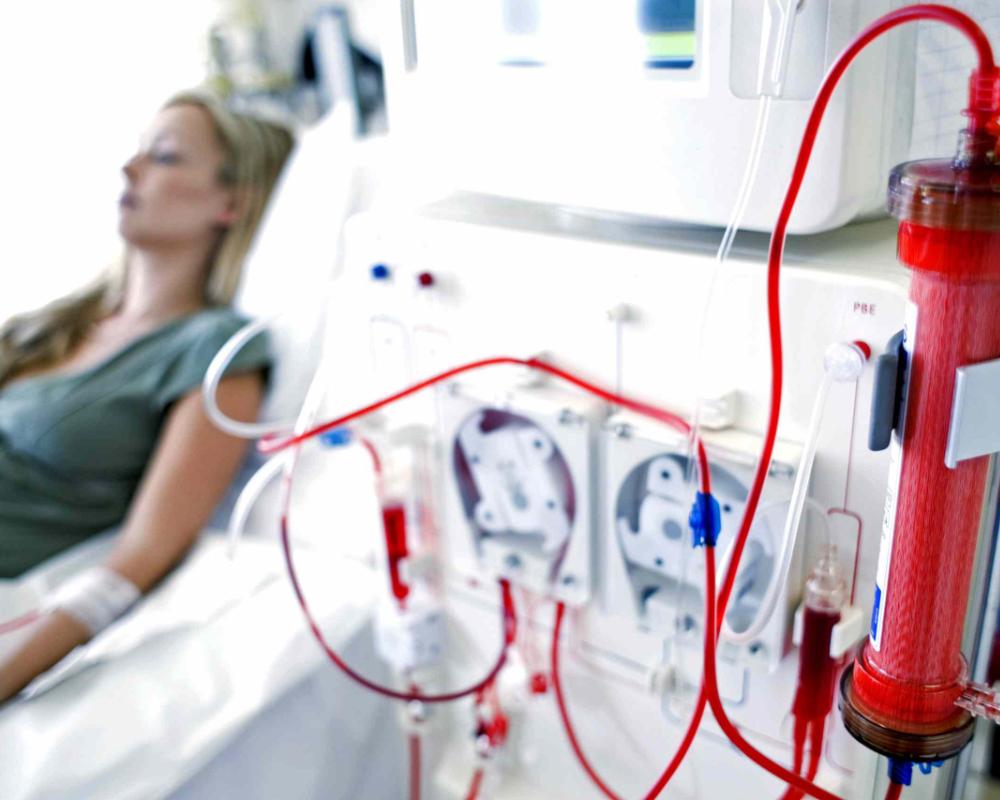
Hemodialysis: Your blood is gently pumped out of your body, run through an artificial kidney machine (a dialyzer) to clean it, and then returned to you. This is typically done three times a week at a specialized clinic, though home-based setups are increasingly common.
-
Peritoneal Dialysis: This method uses the natural lining of your abdomen (your peritoneum) as the filter. A sterile cleansing fluid is washed into your abdomen through a permanent catheter, left inside to collect waste products from nearby blood vessels, and then drained out. This can be done overnight while you sleep or throughout the day at home, offering far more independence and flexibility.
2. Kidney Transplantation
For many individuals, a kidney transplant represents the gold standard of treatment. It involves surgically placing a healthy kidney from a donor into your body. This donor can be someone who has passed away (a deceased donor) or a healthy volunteer, such as a family member or friend (a living donor). A successful transplant restores full kidney function, removes the need for dialysis, and drastically improves your energy, freedom, and overall quality of life.
3. Comprehensive Conservative Care
For some individuals—particularly those who are very frail or dealing with other severe, life-limiting illnesses—the physical toll of dialysis or a transplant may outweigh the benefits. In these situations, comprehensive conservative care focuses entirely on comfort, maximizing quality of life, and aggressively managing symptoms like fluid retention, pain, and nausea without using invasive filtering machines.
Taking Proactive Control of Your Path
If you are navigating kidney disease, remember that you are the most critical member of your care team. Stay on top of your routine lab work, track your blood pressure at home, and speak openly with your nephrologist. The sooner you identify changes in your health, the more effectively your medical team can adjust your treatments to protect your active, vibrant life.
Medical Disclaimer
The information provided in this article is intended strictly for educational and informational purposes. It does not constitute formal medical advice, diagnosis, or treatment. Chronic kidney disease is a complex medical condition that requires individualized care. Always consult with a qualified physician, nephrologist, or healthcare provider before making any changes to your medication, diet, or treatment plan.