When someone types "how do you fix kidney disease" into a search bar, it is often a moment born out of anxiety, confusion, or a recent, overwhelming doctor's appointment. Chronic Kidney Disease (CKD) affects millions of people worldwide, yet it remains one of the most misunderstood chronic conditions.
The immediate, urgent question most people have is simple: Can my kidneys get better?
To answer this honestly and medically: it depends entirely on whether the damage is sudden (Acute Kidney Injury) or long-term (Chronic Kidney Disease). While structural scars on the kidneys generally cannot be "undone," the progression of the disease can often be slowed to a crawl, or even halted entirely, through strategic medical and lifestyle interventions.
This comprehensive guide breaks down the actionable steps, treatments, and lifestyle shifts required to manage kidney disease and protect your remaining kidney function.
Acute vs. Chronic: Determining If the Damage is Reversible
Before mapping out a treatment plan, a nephrologist (kidney specialist) must determine the nature of the kidney injury. This distinction changes everything about how the condition is "fixed."
Acute Kidney Injury (AKI)
An acute kidney injury is a sudden, rapid decline in kidney function. It is often triggered by a severe infection (like sepsis), dehydration, specific medications (such as heavy NSAID use), or physical trauma.
-
Is it reversible? Yes. If the underlying cause is treated promptly—such as stopping a toxic medication or replenishing fluids—kidney function can often completely return to baseline.
Chronic Kidney Disease (CKD)
CKD is a gradual loss of kidney function over months or years, typically measured by Glomerular Filtration Rate (GFR), which indicates how well your kidneys filter waste. CKD is categorized into stages 1 through 5.
-
Is it reversible? Early-stage CKD (Stages 1 to 3) cannot usually be reversed, but it can be permanently stabilized. Stage 4 and 5 represent severe damage where treatment shifts from preservation to replacement therapies (dialysis or transplant).
Step 1: Managing the Core Triggers (The Root Causes)
You cannot fix kidney disease without aggressive control of the conditions that caused it. The two leading causes of kidney damage account for most cases globally: Diabetes and High Blood Pressure (Hypertension).
Optimizing Blood Sugar Levels
High blood sugar acts like sandpaper on the microscopic filters (nephrons) inside your kidneys. Over time, diabetes causes biochemical changes that scar these delicate structures.
-
The Target: Maintain an HbA1c level as recommended by your physician (typically under 7% for most adults).
-
The Intervention: Beyond insulin, modern medications like SGLT2 inhibitors have revolutionized kidney care. Originally developed for diabetes, these drugs change fluid pressure inside the kidney filters and significantly slow down the progression of CKD, even in people without diabetes.
Controlling Hypertension
Blood rushing through your vessels at high pressure damages the tiny, fragile blood vessels inside the kidneys.
-
The Target: For most individuals with kidney disease, keeping blood pressure consistently under 130/80 mmHg is critical.
-
The Intervention: First-line medications typically include ACE inhibitors (like lisinopril) or ARBs (like losartan). These specific classes do double duty: they lower systemic blood pressure and physically reduce the stress and pressure inside the kidney’s filtering units.
Step 2: The Renal Diet (Tailoring Fuel for Filter Capacity)
Dietary adjustments are among the most powerful tools a patient controls. However, a "kidney diet" is not a one-size-fits-all prescription. It evolves depending on your stage of CKD and blood work trends.
+-----------------------------------------------------------------------+
|                         CRITICAL DIETARY SHIFTS                       |
+-------------------+---------------------------------------------------+
| Nutrient          | Why It Matters & Actionable Step                  |
+-------------------+---------------------------------------------------+
| Sodium            | Causes fluid retention and spikes blood pressure. |
|                   | Limit to under 2,000 mg daily.                    |
+-------------------+---------------------------------------------------+
| Protein           | Processing protein creates urea (a waste product).|
|                   | Shift toward high-quality, plant-heavy proteins   |
|                   | to reduce the workload on your kidneys.           |
+-------------------+---------------------------------------------------+
| Phosphorus &      | Accumulates in the blood as kidney function drops.|
| Potassium         | Avoid dark sodas, processed foods, and high-      |
|                   | potassium items if lab results show elevated levels|
+-----------------------------------------------------------------------+
A Note on Fluids: While staying hydrated is vital for healthy kidneys, if you are in advanced stages of CKD (Stage 4 or 5), your kidneys may struggle to eliminate fluid. Excess fluid can pool in your lungs and limbs, making strict fluid restrictions necessary under medical supervision.
Step 3: Medication Management and Protecting Against Toxins
Many common over-the-counter and prescription drugs are cleared through the kidneys. When kidney function drops, these drugs can accumulate to toxic levels or cause direct structural damage to the organ.
-
Avoid Nephrotoxic Drugs: Non-Steroidal Anti-Inflammatory Drugs (NSAIDs) like ibuprofen, naproxen, and high-dose aspirin constrict the blood vessels feeding the kidneys. Regular use can cause a stable CKD patient to plunge into acute kidney failure.
-
Review Supplement Use: Many herbal supplements contain heavy metals or compounds that stress the kidneys. Always clear vitamins and herbs with a nephrologist.
-
Be Cautious with Imaging: Intravenous contrast dyes used in certain CT scans and MRIs can cause "contrast-induced nephropathy." Always inform your imaging technician of your GFR level before a scan.
Step 4: Tracking Core Biomarkers
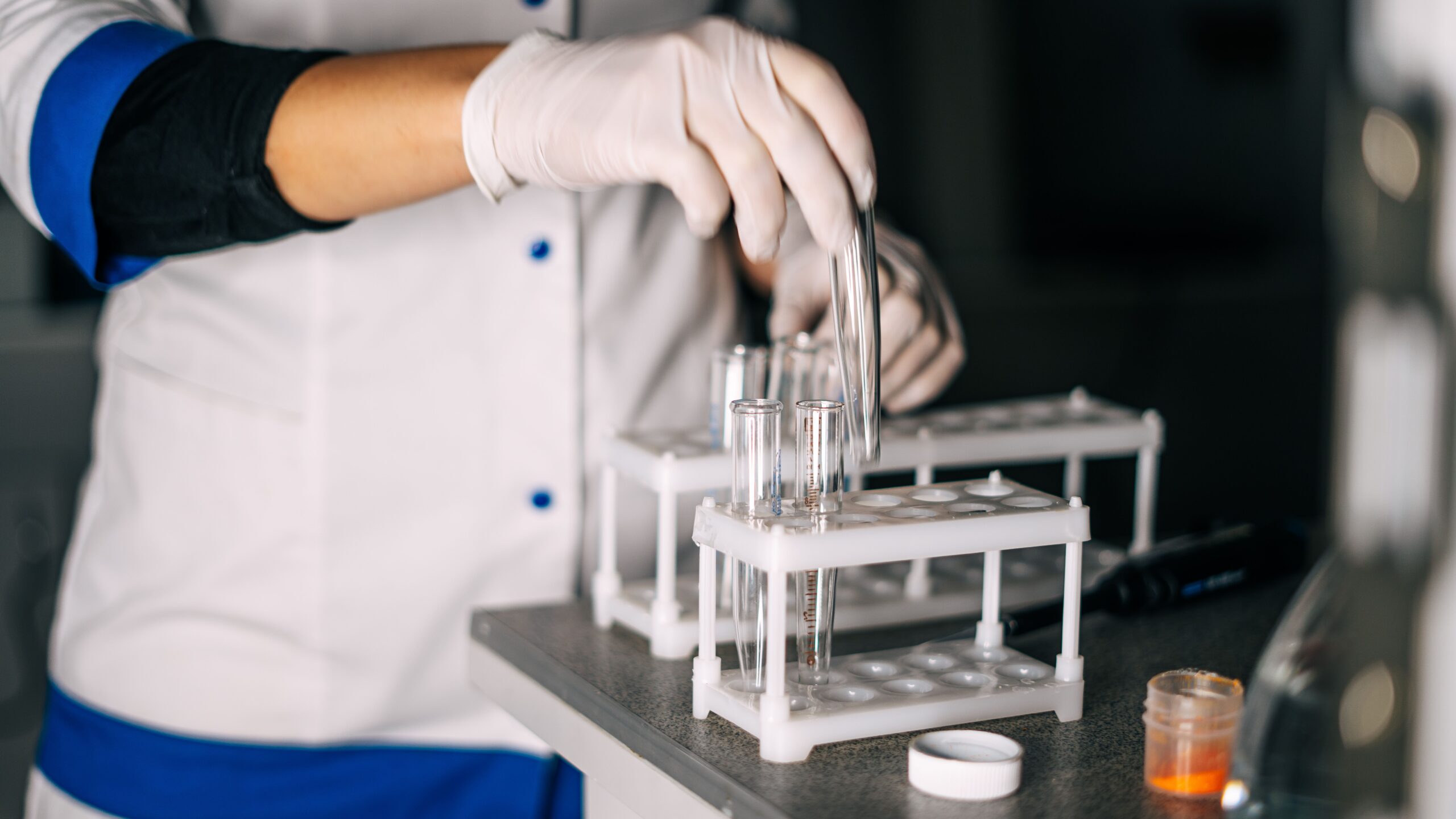
Managing kidney disease requires regular monitoring. You cannot manage what you do not measure. Work with your care team to track these metrics:
-
eGFR (Estimated Glomerular Filtration Rate): Calculated from blood creatinine levels, this score tells you your approximate percentage of kidney function.
-
uACR (Urine Albumin-to-Creatinine Ratio): This urine test measures albumin (a protein) leaking into your urine. High levels mean the kidney filters are structurally damaged. Reducing protein leakage is a primary goal of kidney therapy.
-
Serum Potassium and Phosphorus: Monitored via standard blood draws to ensure dietary modifications are successfully preventing dangerous electrolyte imbalances.
Advanced Options: When Damage is Severe
If kidney function drops below 15% (Stage 5 CKD, also known as Kidney Failure or End-Stage Renal Disease), conservative management, diet, and medications are no longer enough to sustain life. At this point, treatment transitions to renal replacement therapies.
Dialysis
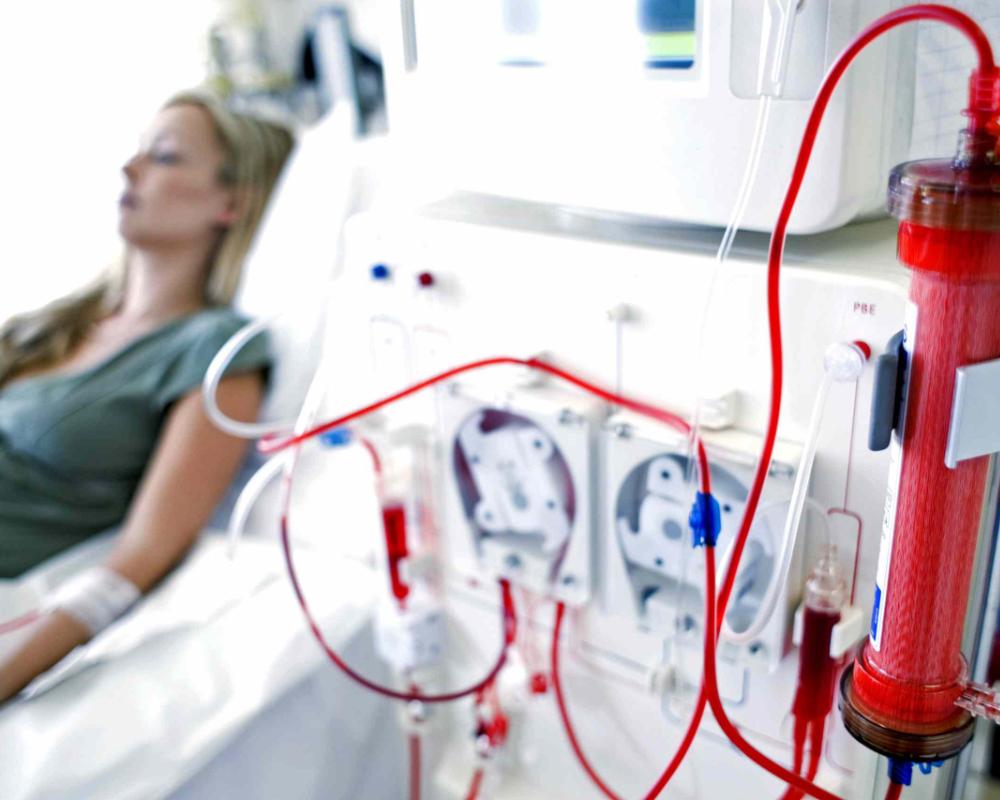
Dialysis is a mechanical treatment that filters toxins, waste, and excess fluid from your blood when your kidneys no longer can.
-
Hemodialysis: Blood is pumped out of your body, filtered through an artificial kidney machine, and returned. This typically happens three times a week at a clinic.
-
Peritoneal Dialysis: Uses the lining of your own abdomen (the peritoneum) to filter blood inside your body, often done overnight at home.
Kidney Transplantation
A kidney transplant is often considered the closest thing to a "cure" for end-stage kidney failure. A healthy kidney from a living or deceased donor is surgically placed into your body. While it requires lifelong immunosuppressant medications to prevent organ rejection, a successful transplant offers a significantly higher quality of life and longer life expectancy compared to long-term dialysis.
Actionable Takeaways for Longevity
-
Get your blood pressure and blood sugar into target ranges immediately.
-
Transition toward a Mediterranean or plant-focused diet lower in sodium and heavy animal proteins.
-
Eliminate NSAID pain relievers entirely; consult your doctor for safer pain management alternatives.
-
Partner with a registered renal dietitian to build a custom meal plan tailored to your specific lab results.
Medical Disclaimer
This article is for informational and educational purposes only. It does not constitute medical advice, diagnosis, or treatment. Chronic Kidney Disease is a complex medical condition that requires individualized care. Always consult a qualified healthcare provider, such as a nephrologist or primary care physician, before making any changes to your medication, diet, or lifestyle regimen.