The kidneys are the silent workhorses of your body. Every single day, these two bean-shaped organs filter roughly 120 to 150 quarts of blood to produce about 1 to 2 quarts of urine, balancing your fluids, managing blood pressure, and keeping your bones strong.
But here is the troubling truth: chronic kidney disease (CKD) is often called a "silent killer." In its early stages, it rarely makes a sound. In fact, the National Kidney Foundation estimates that 90% of people with early-stage kidney disease do not even know they have it. By the time noticeable symptoms appear, the kidneys may already be severely damaged.
If you are asking yourself, "How do you know you have kidney disease?", you are likely looking for clear, honest signs to watch out for. This guide will walk you through the early warning signs, the advanced symptoms, the hidden risk factors, and the exact medical tests required for a definitive diagnosis.
Why Early Kidney Disease Is Hard to Notice
The human body is remarkably resilient. Your kidneys possess a massive amount of redundant filtering capacity. You can lose up to 50% of your kidney function before experiencing any physical symptoms at all.
When the kidneys begin to slow down, other parts of the body compensate. This means that early signs are often incredibly subtle—a bit of extra fatigue, a slight change in how often you use the bathroom, or a mild bout of dry skin. Because these signs mimic everyday stress or aging, most people shrug them off.
However, waiting for severe pain or obvious illness to strike is a dangerous strategy. Recognizing your personal risk factors and spotting the earliest subtle shifts in your health is the best way to catch kidney disease before it progresses to kidney failure.
10 Warning Signs: How Do You Know You Have Kidney Disease?
When kidney function drops significantly, waste products and fluid begin to build up in your blood. This toxic backup triggers a variety of systemic symptoms. Here are ten signs that demand your attention.
1. Extreme Fatigue and Trouble Concentrating
A severe drop in kidney function leads to a buildup of toxins and impurities in the blood. This can cause you to feel tired, weak, and make it hard to concentrate. Additionally, the kidneys produce a hormone called erythropoietin (EPO), which tells your body to make red blood cells. Damaged kidneys produce less EPO, leading to a drop in red blood cells—a condition known as anemia—which leaves you feeling chronically exhausted.
2. Changes in Urination Patterns
Your kidneys produce urine, so when they are failing, your urination habits change. Pay close attention if you need to urinate more often, especially at night (nocturia). When the kidneys' filtering units are damaged, it can cause an increased urge to urinate.
3. Blood in Your Urine (Hematuria)
Healthy kidneys typically keep blood cells in the body when filtering waste to make urine. However, when the kidney filters are compromised, these blood cells can start to leak out into the urine. Blood in the urine can look red, pink, or smoky brown. It is also a potential sign of tumors, kidney stones, or an infection.
4. Foamy or Bubbling Urine
If you notice excessive bubbles in the toilet bowl that require flushing several times to go away, it indicates a high amount of protein in your urine. This foam looks similar to the foam you see when scrambling eggs, because the common protein found in urine, albumin, is the exact same protein found in eggs.
5. Persistent Puffiness Around the Eyes
Protein leaking into your urine is a major early indicator of kidney damage. When your kidneys allow large amounts of protein to escape into your waste, your body loses its ability to hold fluid in your blood vessels. This fluid leaks into surrounding tissues, frequently showing up as persistent swelling or puffiness around your eyes.
6. Swollen Ankles, Feet, and Hands
Decreased kidney function leads to sodium retention. When your body holds onto too much salt, fluid builds up in your tissues. You will notice this structural fluid retention (edema) most prominently in your lower extremities—your feet, ankles, and legs—or as tightness in your fingers.
7. Poor Appetite and Nausea
A severe buildup of cellular waste products (uremia) can cause a persistent metallic taste in your mouth and trigger a loss of appetite. If you feel universally turned off by food, experience morning nausea, or notice unexpected weight loss, your body may be struggling to clear metabolic toxins.
8. Dry, Itchy, and Irritated Skin
Healthy kidneys do vital work removing extra fluid and waste from your bloodstream, while also maintaining the perfect balance of minerals in your blood. Dry, rough, and chronically itchy skin is a classic sign of the advanced mineral and bone disease that often accompanies late-stage kidney decline.
9. Frequent Muscle Cramping
Impaired kidney function can cause severe electrolyte imbalances. For example, low calcium levels and poorly controlled phosphorus can trigger painful muscle cramping, particularly severe cramps in your calves and feet.
10. Shortness of Breath
Fluid retention caused by failing kidneys can back up into your lungs, making it difficult to catch your breath. Furthermore, the severe anemia caused by a lack of red blood cells deprives your muscles and organs of oxygen, leaving you winded even after minor physical exertion.
High-Risk Categories: Who Needs to Be Screened?
You should not wait for symptoms to appear if you fall into a high-risk category. For millions of people, kidney disease is a direct secondary complication of other chronic health conditions.
| Risk Factor | Why It Damages Kidneys |
| Diabetes | High blood sugar levels act like sandpaper on the microscopic blood vessels inside your kidneys, scarring them over time (diabetic nephropathy). |
| High Blood Pressure | Hypertension forces blood through your delicate filtering units with too much velocity, causing the blood vessels to stretch, weaken, and narrow. |
| Heart Disease | Poor cardiovascular function reduces the steady, oxygen-rich blood flow your kidneys rely on to do their job efficiently. |
| Family History | Genetic predispositions, such as polycystic kidney disease (PKD), significantly elevate your baseline risk. |
| Age and Weight | Being over the age of 60 or living with obesity naturally increases physical strain on kidney filtration systems. |
Medical Tests: The Only Definitive Way to Know
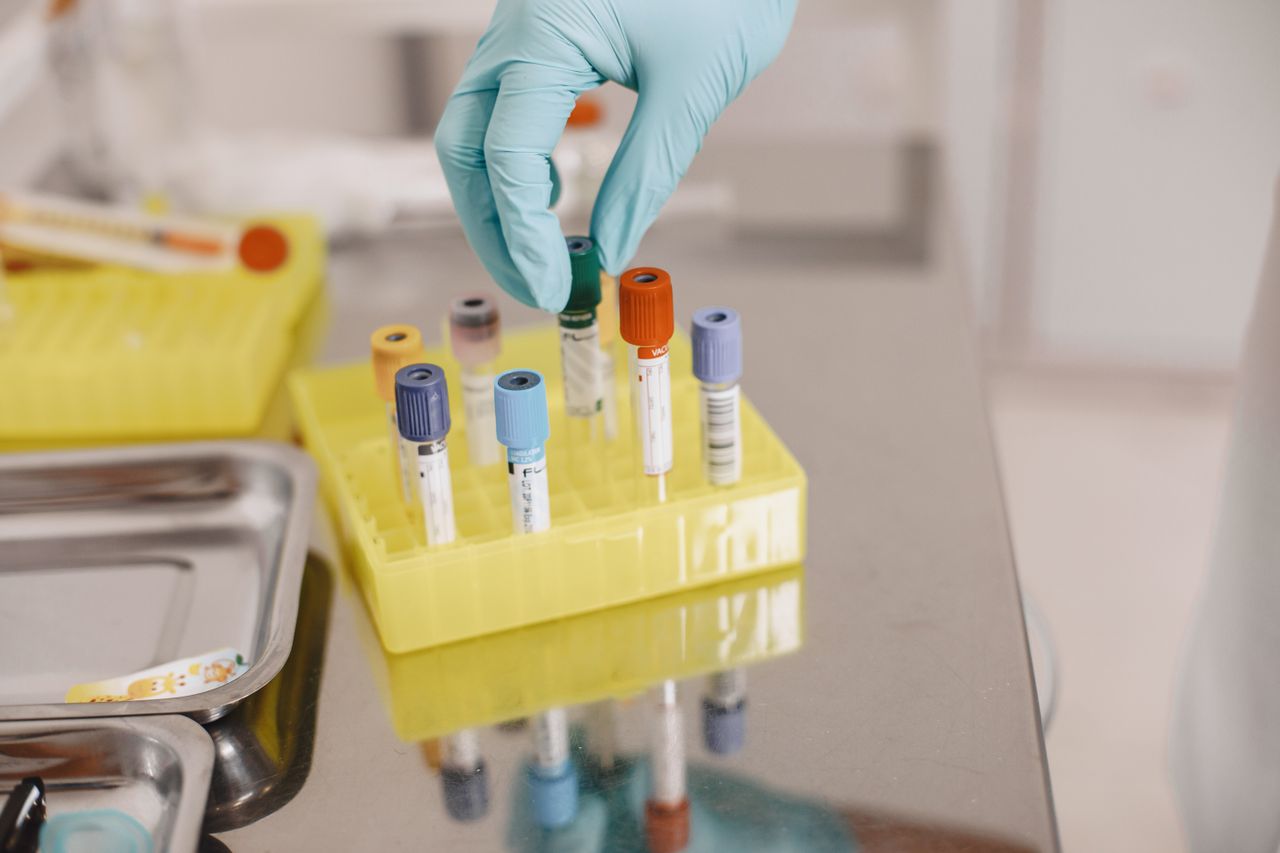
Because physical symptoms are notoriously unreliable in the early stages, the only absolute way to know if you have kidney disease is to get checked by a doctor. Your healthcare provider will use two simple, highly accurate tests to measure your overall kidney health.
The eGFR Blood Test
The Estimated Glomerular Filtration Rate (eGFR) test measures how efficiently your kidneys filter waste from your blood. Doctors look at the amount of creatinine—a natural waste product from muscle breakdown—in your bloodstream.
-
An eGFR score above 90 is considered normal.
-
An eGFR score below 60 lasting for three months or more is a definitive sign of chronic kidney disease.
-
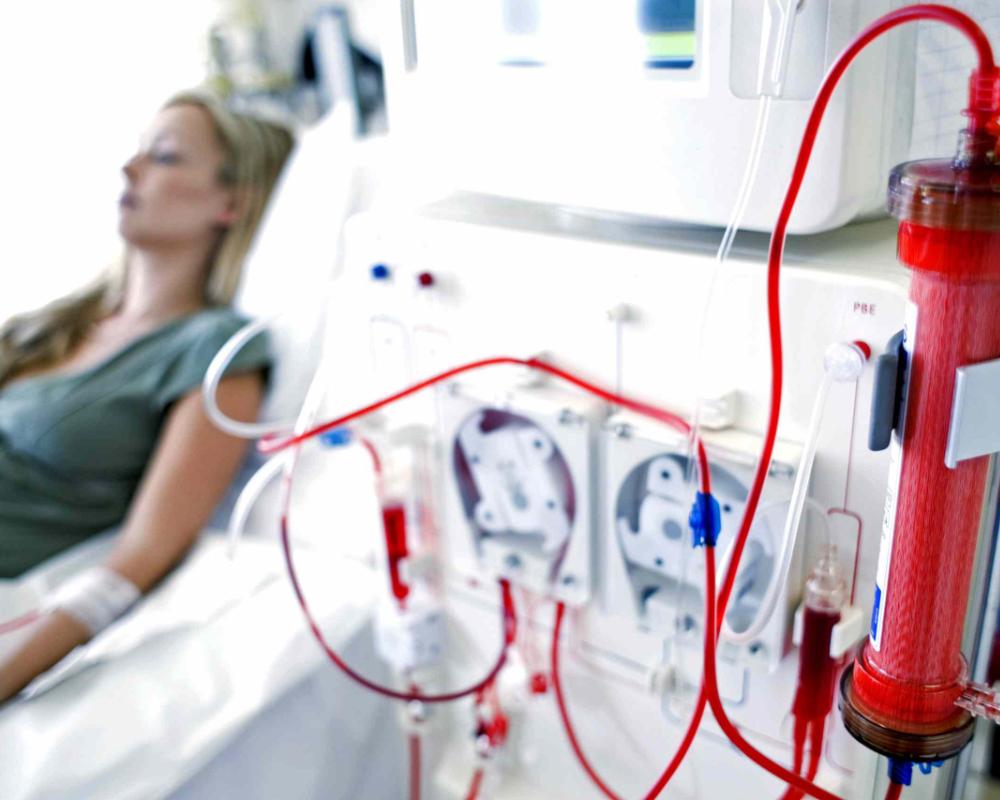
An eGFR score below 15 indicates kidney failure, requiring dialysis or a transplant.
The uACR Urine Test
The Urine Albumin-to-Creatinine Ratio (uACR) checks for the presence of a specific protein called albumin in your urine. Under normal circumstances, albumin molecules are too large to pass through the kidney's microscopic filters. A uACR score of less than 30 is normal; anything higher means protein is leaking through damaged filters.
Immediate Steps If You Are Concerned
If you are experiencing any of the symptoms outlined above, or if you belong to a high-risk group, take proactive action immediately.
-
Schedule an Appointment: Ask your doctor specifically for a basic kidney function panel including eGFR and uACR tests.
-
Monitor Blood Pressure: Work diligently to keep your blood pressure below 130/80 mmHg, or whatever target your doctor recommends.
-
Manage Blood Sugar: If you have diabetes, strict glycemic control is your absolute best defense against progressive kidney damage.
-
Review Your Medications: Overuse of over-the-counter pain relievers, specifically Nonsteroidal Anti-inflammatory Drugs (NSAIDs) like ibuprofen and naproxen, can cause direct, permanent chemical damage to your kidneys. Always consult a pharmacist or physician before taking daily pain medications.
Catching kidney disease early gives you the power to change its trajectory. With targeted dietary modifications, medication adjustments, and healthy lifestyle choices, you can protect your remaining kidney function and live a long, vibrant life.
Medical Disclaimer
This article is for informational and educational purposes only and should not be considered professional medical advice, diagnosis, or treatment. Always consult with a qualified healthcare provider, physician, or nephrologist regarding any questions you may have about a medical condition, symptoms, or diagnostic testing. Never disregard professional medical advice or delay seeking it because of something you have read online.