
The diagnosis of kidney disease can feel overwhelming. Many individuals find themselves asking one pressing question: how is kidney disease treated?
Receiving a diagnosis often brings a wave of anxiety, driven by fears of the unknown, confusion over medical jargon, and worries about lifestyle shifts or dialysis. It is completely natural to feel unsettled, but understanding your treatment options can help you feel more in control.
Modern medicine treats kidney disease through a multi-layered approach. The primary goals are to preserve remaining kidney function, manage underlying causes like high blood pressure or diabetes, and prevent complications. This comprehensive guide breaks down the treatment landscape, covering everything from early-stage preservation to advanced care.
The Core Strategy: Treating the Root Causes
Kidneys do not usually fail on their own; they are typically damaged by other chronic health conditions. Therefore, the first step in treating kidney disease is addressing the root cause to halt further damage.
1. Managing Hypertension (High Blood Pressure)
High blood pressure forces the heart to work harder and damages the delicate blood vessels inside the kidneys. Controlling blood pressure is often the single most critical intervention.
Nephrologists frequently prescribe specific blood pressure medications known as ACE inhibitors (angiotensin-converting enzyme inhibitors) or ARBs (angiotensin receptor blockers). These medications do double duty: they lower systemic blood pressure and reduce the structural pressure inside the filtering units of the kidneys, slowing down tissue scarring.
2. Controlling Blood Sugar in Diabetes
Diabetes is a leading cause of chronic kidney disease (CKD). When blood sugar remains high, it acts like sandpaper on the microscopic filters (nephrons) of your kidneys. Managing blood glucose through insulin or oral medications protects these filters from further degradation.
Pharmaceutical Breakthroughs: Modern CKD Medications
The medical landscape has evolved significantly, introducing targeted pharmaceutical therapies that protect kidney function independently of blood pressure or blood sugar control.
SGLT2 Inhibitors
Originally designed as diabetes medications, SGLT2 inhibitors (sodium-glucose cotransporter-2 inhibitors) have emerged as highly effective options for kidney preservation. Clinical data demonstrates that these drugs significantly reduce the risk of progressing to kidney failure and lower cardiovascular risks for adults with CKD, including those without diabetes who exhibit protein in their urine (albuminuria).
What to Expect: When starting an SGLT2 inhibitor, patients often experience a brief, temporary dip in their estimated glomerular filtration rate (eGFR). This is an expected change as the medication alters fluid dynamics within the kidney to relieve workload, and it typically stabilizes quickly.
Nonsteroidal Mineralocorticoid Receptor Antagonists (MRAs)
Medications like finerenone specifically target inflammation and progressive tissue scarring (fibrosis) in the kidneys. This therapy is commonly prescribed to adults dealing with both CKD and type 2 diabetes, offering an additional layer of protection against organ damage and heart failure hospitalization.
GLP-1 Receptor Agonists
Widely recognized for their role in glycemic control and weight management, GLP-1 agonists have also shown strong clinical benefits in slowing down kidney failure progression while lowering overall cardiovascular mortality risks for patients with diabetic kidney complications.
Managing Symptoms and Avoiding Complications
As kidney function declines, the organs struggle to balance fluid levels, filter out cellular waste products, and produce essential hormones. Treatment involves identifying and managing these systemic complications early.
Fluid Retention and Swelling
When kidneys cannot adequately eliminate excess water and sodium, fluid accumulates in tissues, causing swelling (edema) in the legs, ankles, or lungs. Doctors address this by prescribing diuretics (water pills) to encourage fluid elimination and relieve physical discomfort.
Anemia Management
Healthy kidneys produce a hormone called erythropoietin, which signals the bone marrow to create red blood cells. Damaged kidneys produce less of this hormone, frequently leading to anemia.
Clinical guidelines emphasize an individualized approach to anemia, using a balance of:
-
Proactive Iron Therapy: Intravenous (IV) or oral iron supplementation to keep iron stores sufficient.
-
ESAs (Erythropoiesis-Stimulating Agents): Medications that mimic natural erythropoietin to stimulate red blood cell production.
-
HIF-PHIs: An emerging class of oral therapies that stimulate the body's natural response to produce red blood cells, used carefully based on individual safety profiles.
Bone and Mineral Disorders
Kidneys regulate the balance of calcium and phosphorus in the blood. When they underperform, phosphorus levels rise, and calcium levels drop, weakening bone structures. This imbalance is typically managed using phosphate binders taken with meals to prevent phosphorus absorption, along with specialized vitamin D supplements.
Lifestyle Adaptations and Dietary Changes
Medical treatments work best when supported by daily lifestyle adjustments. What you eat and drink directly influences the workload placed on your kidneys.
The Role of a Renal Dietitian
Because dietary needs shift depending on the stage of kidney disease and individual blood work, collaborating with a renal dietitian is highly recommended. A dietitian helps balance complex, sometimes conflicting dietary requirements:
-
Sodium Reduction: Restricting sodium intake to around 2,000 milligrams per day helps manage blood pressure and prevent fluid retention.
-
Protein Regulation: While the body requires protein, processing excess dietary protein creates waste products that strain the kidneys. Lowering protein intake under medical supervision can ease this daily workload.
-
Potassium and Phosphorus Monitoring: If blood tests reveal accumulating levels, you may need to limit certain foods high in potassium (like bananas and tomatoes) or phosphorus (like dairy and processed foods).
General Wellness Habits
Engaging in regular physical activity, maintaining a stable weight, and completely avoiding tobacco use provide critical systemic support, helping protect cardiovascular health and preserve remaining kidney function.
Advanced Treatment Options: Kidney Failure
When kidney disease advances to Stage 5—often referred to as kidney failure or End-Stage Renal Disease (ESRD)—the kidneys retain less than 15% of their functional capacity. At this stage, renal replacement therapy becomes necessary to sustain life.
1. Hemodialysis
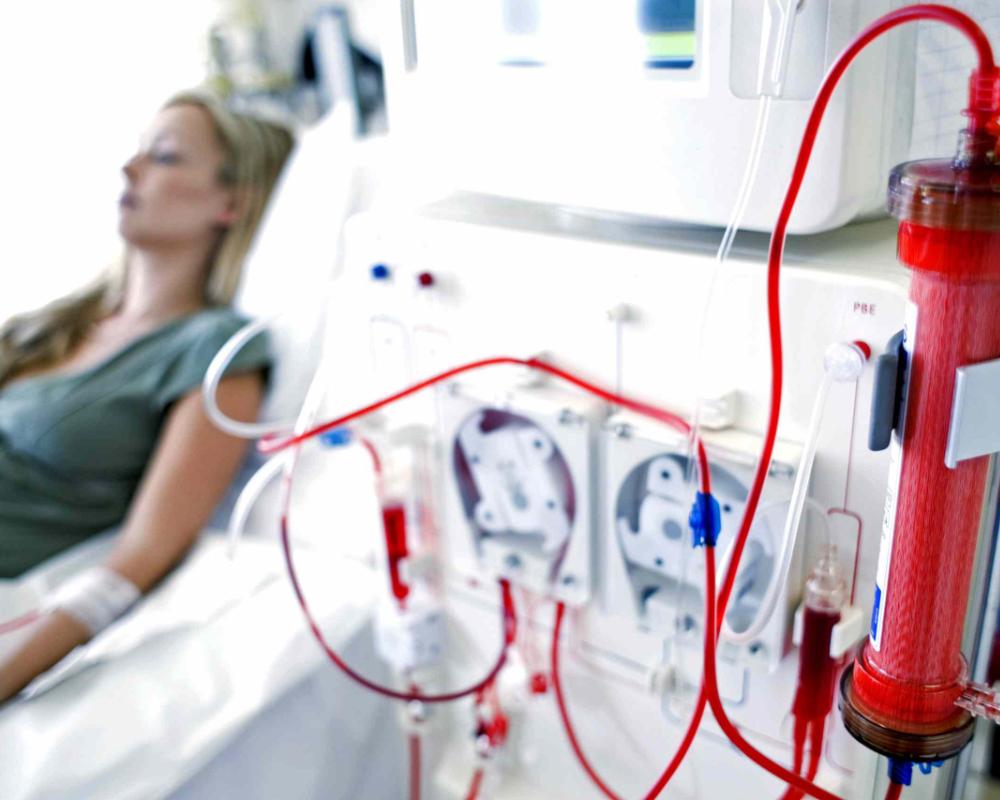
Hemodialysis uses an external machine equipped with a specialized filter (a dialyzer) to clean the blood. Patients typically travel to a dialysis center three times a week for sessions lasting three to four hours, though home hemodialysis is an option for some. This process requires surgical vascular access, usually an AV fistula created in the arm.
2. Peritoneal Dialysis
Peritoneal dialysis uses the natural lining of your abdomen (the peritoneum) to filter waste from the blood inside your body. A surgeon places a permanent catheter into the abdomen. A specialized cleansing fluid is introduced, dwells for a set period to absorb waste products, and is then drained away. This method can be performed at home, often overnight using an automated cycler, offering greater lifestyle flexibility.
3. Kidney Transplantation
A kidney transplant involves surgically placing a healthy kidney from a living or deceased donor into the patient's body. A successful transplant is often considered the most effective long-term treatment for kidney failure, offering a higher quality of life and better long-term survival rates compared to maintenance dialysis. Recipients must take lifelong immunosuppressant medications to prevent their immune system from rejecting the new organ.
4. Conservative Kidney Management
For some individuals, particularly those with advanced age or severe co-existing medical conditions, dialysis or transplantation may not align with their personal care goals. Conservative management focuses on maximizing quality of life by using medications to manage symptoms, control fluid balance, and reduce discomfort without undergoing invasive replacement therapies.
Proactive Strategies for Protecting Kidney Health
The single most effective strategy in managing kidney disease is early intervention. Incorporating these protective habits into your routine can help preserve long-term kidney function:
-
Review Your Medications: Regularly check your prescriptions and over-the-counter choices with your doctor. Frequent use of NSAIDs (Non-Steroidal Anti-Inflammatory Drugs) like ibuprofen can exacerbate kidney strain.
-
Schedule Routine Screening: If you manage high blood pressure or diabetes, ensure you receive regular eGFR blood tests and urine albumin tests to detect subtle changes early.
-
Stay Adequately Hydrated: Drink sensible amounts of water throughout the day to support normal filtration, avoiding extreme overhydration or prolonged dehydration.
Medical Disclaimer
The information provided in this article is for educational and informational purposes only and should not be construed as professional medical advice, diagnosis, or treatment. Always seek the advice of your physician or other qualified health provider with any questions you may have regarding a medical condition or treatment options.