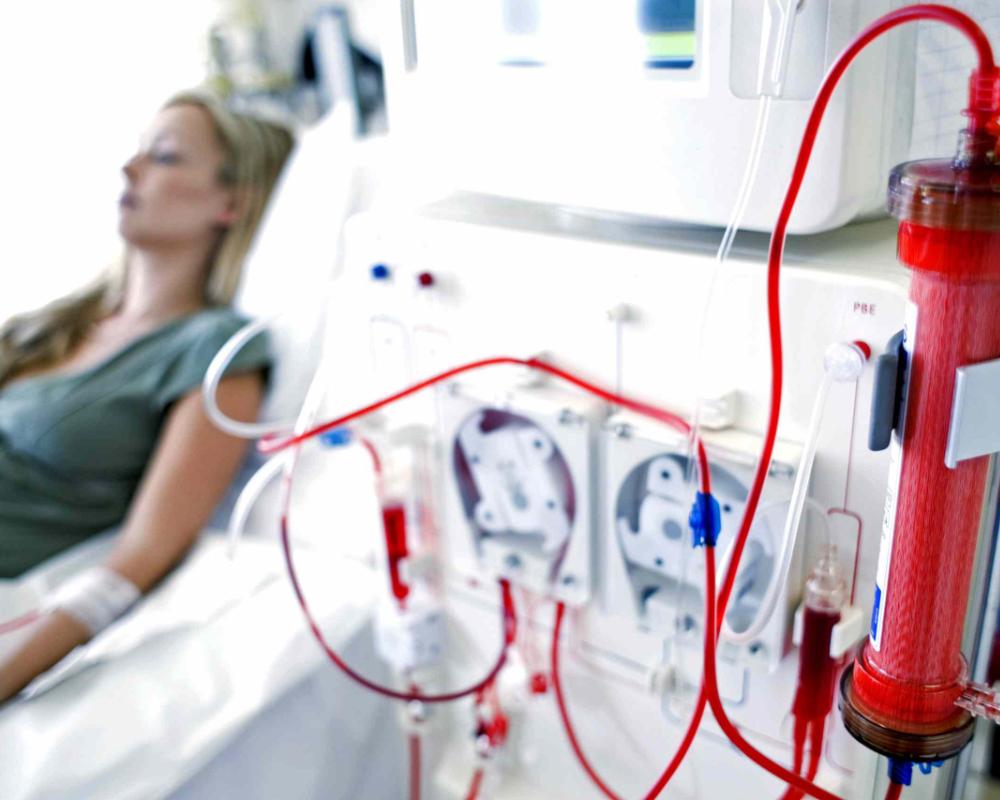
The human kidneys are remarkable filtration systems. Every single day, these two fist-sized organs filter roughly 120 to 150 quarts of blood to produce about 1 to 2 quarts of urine, balancing bodily fluids and flushing out toxic waste products. Yet, chronic kidney disease (CKD) affects millions of people globally, and a staggering 90% of those living with early-stage kidney damage have absolutely no idea.
Because the kidneys are highly adaptable, they can easily compensate for early damage. This lack of initial warning signs means that learning how to check for kidney disease is a critical piece of preventive healthcare. Waiting until you feel sick is often too late to catch the condition in its highly manageable early phases.
If you have been wondering how to check for kidney disease, what specific laboratory values to monitor, or whether you are at risk, this comprehensive, evidence-based guide breaks down the essential markers, diagnostic processes, and symptoms.
Why Early Detection of Kidney Disease is Critical
Your kidneys are two bean-shaped organs, each roughly the size of a fist, positioned just below your rib cage on either side of your spine. They perform the monumental task of filtering approximately 150 quarts of blood every single day to remove waste, extra fluid, and toxins through your urine. They also play a vital role in regulating blood pressure, directing the production of red blood cells, and keeping your body's mineral levels perfectly balanced.
When kidney function drops, these toxins begin to slowly accumulate in your bloodstream. Because the remaining healthy parts of your kidneys work overtime to compensate for the damaged areas, you might feel completely fine even if your organs are struggling. This compensation masking is why regular checkups are vital. Catching kidney damage early is the difference between implementing simple lifestyle or medication changes to halt its progression versus facing advanced kidney failure, which requires dialysis or a organ transplant.
Chronic Kidney Disease Risk Factors: Who Should Get Screened?
Medical organizations do not generally recommend mass screening for the entire population. Instead, testing is highly focused on individuals who possess key clinical risk factors. If you fall into any of the following categories, you should proactively ask your doctor for a kidney evaluation:
-
Type 1 or Type 2 Diabetes: High blood sugar acts like sandpaper inside your blood vessels, gradually scarring the tiny, delicate filters inside your kidneys (a condition known as diabetic nephropathy).
-
High Blood Pressure (Hypertension): Uncontrolled high blood pressure narrows and weakens the arteries surrounding your kidneys, starving the tissue of oxygen and nutrients.
-
Heart and Vascular Disease: Conditions like coronary artery disease or heart failure impair proper blood circulation, which directly compromises renal health.
-
A Family History of Kidney Failure: If you have a close relative who has undergone dialysis or received a kidney transplant, your genetic predisposition rises.
-
Frequent Use of Specific Medications: Routinely taking over-the-counter Non-Steroidal Anti-Inflammatory Drugs (NSAIDs) like ibuprofen or naproxen can significantly reduce blood flow to your kidneys over time.
-
Age and Background: Individuals over the age of 60, or individuals of Black, Hispanic, or South Asian descent, statistically face a higher clinical incidence of progressive kidney disease.
The Subtle Warning Signs: Decoding Your Body's Signals
While early-stage CKD is usually asymptomatic, advanced kidney disease will eventually drop subtle hints. People searching for answers often cross-reference their symptoms online. Here is what those confusing bodily changes actually mean:
1. Swelling in the Feet, Ankles, or Around the Eyes
When your kidneys fail to filter out excess sodium and water, fluid pools in your tissues. This is known as edema. If you wake up with distinct puffiness around your eyes or find deep indents in your ankles after taking off your socks, your kidneys may be struggling to regulate your body's fluid volume.
2. Foamy, Frothy, or Bubbly Urine
A healthy kidney keeps essential particles like proteins inside your bloodstream while letting waste pass through. If the kidney's filtering units (glomeruli) are damaged, a large protein called albumin leaks into your urine. When albumin hits the toilet water, it creates a thick, resilient foam that looks remarkably like whipped egg whites.
3. Chronic Fatigue, Brain Fog, and Weakness
A severe decline in kidney function leads to a buildup of metabolic waste products in the blood. This toxic accumulation causes severe lethargy and difficulty concentrating. Furthermore, damaged kidneys produce less erythropoietin (EPO), a vital hormone that tells your bone marrow to create oxygen-carrying red blood cells. A drop in EPO results in anemia, leaving you perpetually exhausted and short of breath.
4. Severe, Persistent Dry and Itchy Skin
As renal function deteriorates, the kidneys can no longer maintain the delicate balance of minerals—specifically calcium and phosphate—in your blood. High levels of phosphorus circulating through your system, combined with retained uremic toxins, irritate peripheral nerves, causing deep, unyielding itching that topical lotions cannot soothe.
5. Changes in Urination Patterns
If you find yourself waking up multiple times during the night to urinate (nocturia), it could indicate a problem. When the kidney's filtering tubes are damaged, they lose their ability to concentrate urine, leading to an increased volume of fluid that consists mostly of water with very little filtered waste.
The Two Essential Tests: How Doctors Check for Kidney Disease
You cannot accurately check for kidney disease at home based on symptoms alone. True confirmation requires two remarkably simple, inexpensive laboratory tests during a routine clinical visit.
Test 1: The eGFR Blood Test (Estimated Glomerular Filtration Rate)
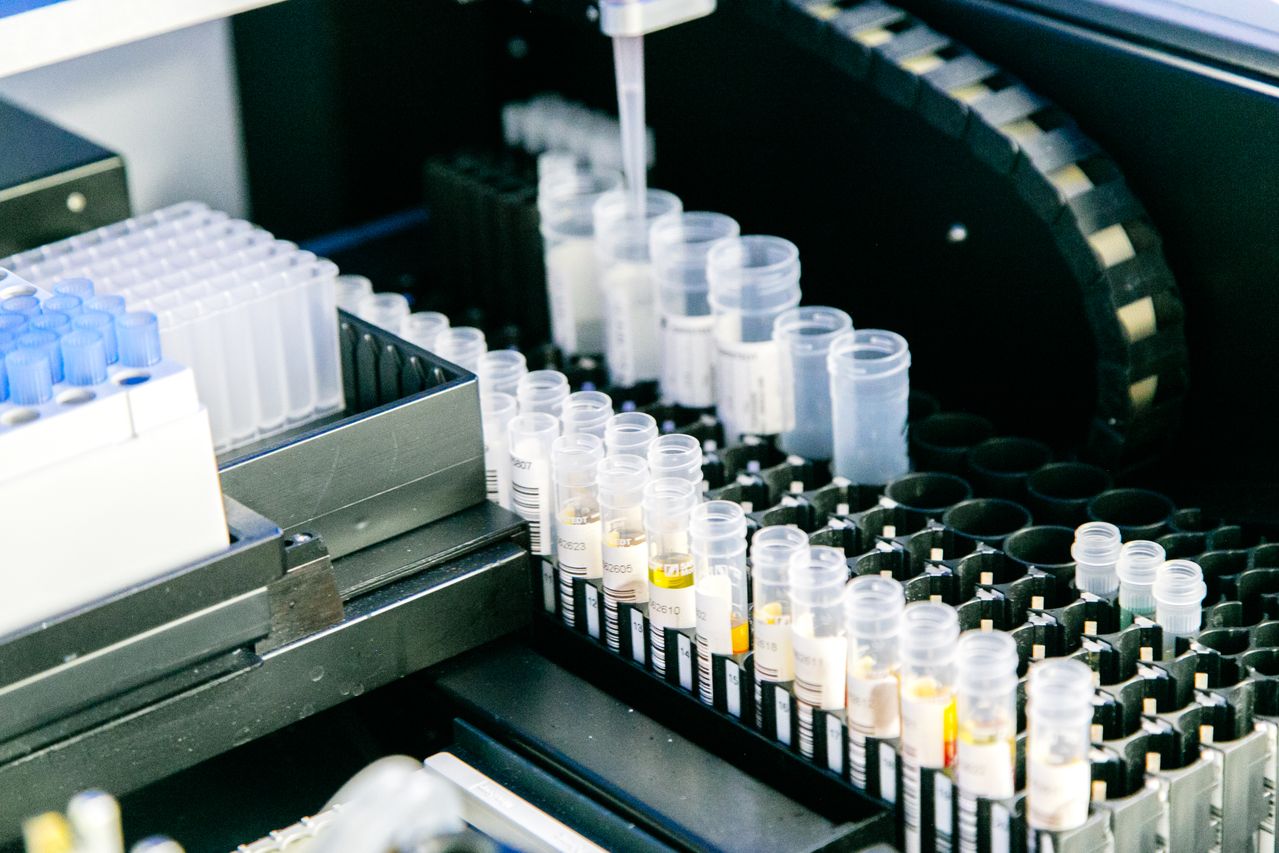
This blood test measures how efficiently your kidneys clean waste from your blood. The laboratory checks for a natural waste product called creatinine, which is generated by normal muscle breakdown. Your doctor plugs your creatinine level, age, and biological sex into an equation to calculate your eGFR.
Your eGFR score indicates your approximate percentage of remaining kidney function:
-
90 or Higher: Normal or near-normal kidney function.
-
60 to 89: Mildly decreased function; requires monitoring if risk factors are present.
-
30 to 59: Moderately decreased function; a strong indicator of Stage 3 chronic kidney disease.
-
15 to 29: Severely decreased function (Stage 4); requires close nephrology care.
-
Below 15: Kidney failure or near-failure (Stage 5); requires immediate medical intervention.
Test 2: The uACR Urine Test (Urine Albumin-to-Creatinine Ratio)
While the blood test checks how well your kidneys filter, this urine test checks for physical damage to the filters themselves. It compares the amount of a protein called albumin against the amount of creatinine in a spot urine sample.
-
A uACR below 30 mg/g is considered normal.
-
A uACR between 30 and 300 mg/g indicates mild to moderate protein leakage (microalbuminuria), signaling early kidney damage.
-
A uACR above 300 mg/g indicates severe protein leakage (macroalbuminuria), pointing to advanced kidney stress.
Crucial Diagnostic Rule: A single abnormal test result does not mean you have chronic kidney disease. Dehydration, a high-protein meal, heavy exercise, or a temporary infection can skew these numbers. Doctors diagnose chronic kidney disease only when your eGFR remains below 60, or your uACR stays above 30, for a consistent period of at least three consecutive months.
What to Do If Your Test Results Show Signs of Kidney Damage
Receiving a high protein reading or a low eGFR score can feel incredibly overwhelming, but it is important to remember that kidney damage can often be successfully managed or slowed down. If your initial baseline screens indicate a potential issue, your primary care physician will likely recommend several next steps:
-
Confirming the Trend: You will repeat the blood and urine tests a few weeks or months later to establish whether the decline is temporary or persistent.
-
An Imaging Evaluation: Your doctor may order a non-invasive renal ultrasound. This test uses sound waves to create a visual image of your kidneys, allowing doctors to check their physical size, look for blockages like kidney stones, or identify structural changes like those found in polycystic kidney disease.
-
Optimizing Your Medications: Specific blood pressure medications, such as ACE inhibitors or Angiotensin Receptor Blockers (ARBs), do double duty: they lower systemic blood pressure and physically reduce the pressure inside your kidney's filters, protecting them from further wear and tear. Newer classes of medications, such as SGLT2 inhibitors, have also shown remarkable success in preserving kidney function.
-
Dietary and Lifestyle Refinements: You may be advised to limit your daily sodium intake to help control blood pressure, reduce your consumption of highly processed foods, and work closely with a renal dietitian to ensure your protein consumption aligns with your current stage of kidney health.
Actionable Steps for Your Next Medical Appointment
If you have risk factors or are experiencing any of the physical symptoms outlined above, do not wait for your doctor to bring it up. Medical providers handle a vast range of health concerns during annual physicals, and specific kidney markers are sometimes omitted from standard, baseline lab panels if they aren't explicitly requested.
Take charge of your health by arriving at your next appointment with these specific talking points:
-
"Based on my family history/diabetes/blood pressure readings, I would like to specifically order an eGFR blood test and a uACR urine test today."
-
"Can we review my current medication list to ensure I am not taking anything that could inadvertently stress my kidneys?"
-
"What are my target blood pressure and blood sugar numbers to keep my kidneys fully protected over the long term?"
Monitoring your kidney health is an act of empowerment. By understanding what tests to ask for and recognizing the subtle signals your body sends, you can take definitive control of your long-term wellness.
Medical Disclaimer
The information provided in this article is strictly for educational and informational purposes only. It does not constitute formal medical advice, diagnosis, or treatment. Always seek the advice of a qualified physician or other licensed healthcare provider with any questions you may have regarding a medical condition or lab results. Never disregard professional medical advice or delay seeking it because of something you have read on the internet.