If you or a loved one has recently been diagnosed with a decline in kidney health, the very first question that likely flashed through your mind is: is kidney disease treatable?
Receiving a diagnosis related to kidney function can feel overwhelming, frightening, and deeply stressful. You might feel a heavy weight in your chest, wondering if kidney failure is inevitable or if a diagnosis means facing dialysis immediately. It is completely natural to feel this way.
The short, reassuring answer is yes, kidney disease is highly treatable.
While chronic kidney disease (CKD) generally does not have a permanent "cure" that reverses existing scar tissue, modern medicine has completely transformed how we manage it. Today, kidney disease is approached as a manageable chronic condition. With early detection, precision medications, and specific lifestyle shifts, you can slow down its progression, protect your remaining kidney function, and maintain an excellent quality of life.
This guide breaks down exactly what treatments look like at every stage, addresses the most common fears, and highlights the medical breakthroughs helping people keep their kidneys working for life.
Understanding the Difference: Acute vs. Chronic Kidney Disease
To understand your treatment options, it helps to first identify which type of kidney issue you are facing. Doctors divide kidney damage into two main categories:
1. Acute Kidney Injury (AKI)
An acute kidney injury is a sudden, rapid decline in kidney function. It is often triggered by severe dehydration, certain medications, heavy infections, or sudden physical trauma.
-
Is it treatable? Yes. If the underlying cause is caught and treated quickly, AKI is often completely reversible, allowing the kidneys to recover all or most of their original function.
2. Chronic Kidney Disease (CKD)
Chronic kidney disease is a slow, gradual loss of kidney function spanning months or years. It is most frequently caused by long-term conditions like type 2 diabetes and high blood pressure (hypertension).
-
Is it treatable? Yes. While damaged nephrons (the tiny filtering units inside your kidneys) cannot usually be repaired once they turn into scar tissue, the surrounding healthy tissue can be heavily protected to stop further damage.
Treating Chronic Kidney Disease Stage by Stage
Kidney function is primarily tracked using your eGFR (estimated Glomerular Filtration Rate), which measures how efficiently your kidneys clean your blood, alongside a uACR (urine Albumin-to-Creatinine Ratio) test to check for protein leaking into the urine.
Because CKD behaves differently over time, medical care is tailored specifically to the stage of the disease.
Early Stages: Stage 1 and Stage 2 (eGFR 90 or higher / 60–89)
In these initial phases, your kidneys are still working exceptionally well, but mild damage or protein leaking is present.
-
The Goal: Prevent future damage and discover the root cause.
-
Treatments: Care focuses on aggressive management of blood pressure and blood sugar. Doctors look closely at your current prescription list to remove nephrotoxic drugs (medicines that can harm the kidneys), such as chronic over-the-counter NSAIDs (like ibuprofen or naproxen).
The Middle Stage: Stage 3 (eGFR 30–59)
Stage 3 is often considered the critical window for intervention. This stage is split into Stage 3a (mild-to-moderate decline) and Stage 3b (moderate-to-severe decline). This is typically the stage where patients are referred to a nephrologist (a specialized kidney doctor).
-
The Goal: Stabilize the kidneys to ensure you do not progress to advanced stages.
-
Treatments: Doctors use targeted drug therapies to reduce internal kidney pressure, optimize heart health, and manage any early complications like mild fluid retention or early anemia.
Advanced Stage: Stage 4 (eGFR 15–29)
At Stage 4, your kidneys are experiencing a severe decrease in function. You are not in kidney failure yet, but your body requires active medical maintenance to manage side effects.
-
The Goal: Protect remaining function and prepare proactively for the future.
-
Treatments: Medications are adjusted to handle complications like phosphorus buildup, potassium imbalances, and anemia. Your care team will also help you learn about renal replacement therapies so you can make informed decisions well in advance.
End-Stage Kidney Disease: Stage 5 (eGFR below 15)
This stage represents kidney failure, meaning your kidneys can no longer keep up with the daily demands of filtering waste and excess fluid on their own.
-
The Goal: Replicate kidney function to sustain life and relieve symptoms.
-
Treatments: This stage requires renal replacement therapy: either dialysis (hemodialysis or peritoneal dialysis) or a kidney transplant. For individuals who choose not to pursue these options, supportive conservative care focuses entirely on symptom management and maintaining maximum personal comfort.
Modern Medical Breakthroughs: Prescriptions for Kidney Protection
For decades, the standard pharmaceutical toolset for protecting kidneys was limited to two classes of blood pressure medications: ACE inhibitors (like lisinopril) and ARBs (like losartan). These work by relaxing the blood vessels inside the kidneys, lowering internal filtration pressure, and reducing the amount of protein spillage into the urine.
However, recent clinical breakthroughs have added powerful new defenses to standard kidney care:
-
SGLT2 Inhibitors: Initially designed for type 2 diabetes, medications like dapagliflozin and empagliflozin have revolutionized kidney treatment. They act directly on the kidneys to help flush out excess sugar and sodium, reducing workload and stress on the organ. They are now widely prescribed to slow kidney decline even in patients who do not have diabetes.
-
GLP-1 Receptor Agonists: Leading medications such as semaglutide have shown incredible promise in clinical trials, significantly lowering the risk of major adverse kidney events, reducing inflammation, and offering simultaneous cardiovascular protection.
-
Non-Steroidal Mineralocorticoid Receptor Antagonists (MRAs): Medications like finerenone are now used to target inflammation and structural fibrosis (scarring) directly in the kidneys and heart, providing an extra layer of defense against progressing to end-stage kidney disease.
-
Advanced Anemia Management: Advanced global clinical guidelines highlight highly individualized treatments for chronic kidney disease complications. This includes proactive, customized intravenous iron therapies and innovative medications that help the body naturally stimulate red blood cell production, safely correcting the severe fatigue caused by kidney-related anemia.
Essential Lifestyle and Dietary Shifts
Medical prescriptions provide the structural foundation for treating kidney disease, but your day-to-day choices act as the protective shield. Simple, deliberate lifestyle adjustments can profoundly influence how long your kidneys remain stable.
The Role of a Kidney-Friendly Diet
What you put on your plate alters the metabolic workload your kidneys have to process. Because every person's lab values vary, it is highly recommended to collaborate with a registered renal dietitian. General principles include:
-
Sodium Reduction: Restricting salt intake to less than 2,000 milligrams a day helps keep blood pressure under control and minimizes painful swelling (edema) in your legs and ankles.
-
Mindful Protein Consumption: Processing protein creates a nitrogen waste product that your kidneys must filter out. While you still need protein to maintain muscle mass, shifting toward moderate, high-quality portions—or embracing more plant-based proteins—can reduce stress on your kidneys.
-
Monitoring Potassium and Phosphorus: As kidney function drops, these minerals can slowly accumulate in the bloodstream. If your blood tests indicate high levels, you may need to reduce your consumption of high-potassium foods (like bananas and potatoes) and hidden phosphorus additives found in processed foods and dark sodas.
Daily Habits that Protect Function
Beyond your diet, your daily routine plays a critical role in preserving kidney health:
-
Stay Reliably Active: Engaging in roughly 150 minutes of moderate cardiovascular exercise per week (such as brisk walking, cycling, or swimming) naturally improves insulin sensitivity and drops systemic blood pressure.
-
Hydrate Intelligently: Drink water when you are thirsty, but avoid extreme overhydration. If you are in advanced stages of CKD, your doctor may recommend a specific fluid limit to avoid fluid overload.
-
Eliminate Tobacco: Smoking damages systemic blood vessels, accelerating the rate of tissue damage inside the kidneys and heavily increasing your cardiovascular risk.
Looking Ahead: Dialysis and Kidney Transplantation
If you ever reach Stage 5 kidney disease, it is vital to know that kidney failure is not a dead end. It marks a transition to advanced, life-sustaining treatments.
Dialysis Options
Dialysis filters your blood mechanically when your kidneys no longer can. You have two primary pathways:
-
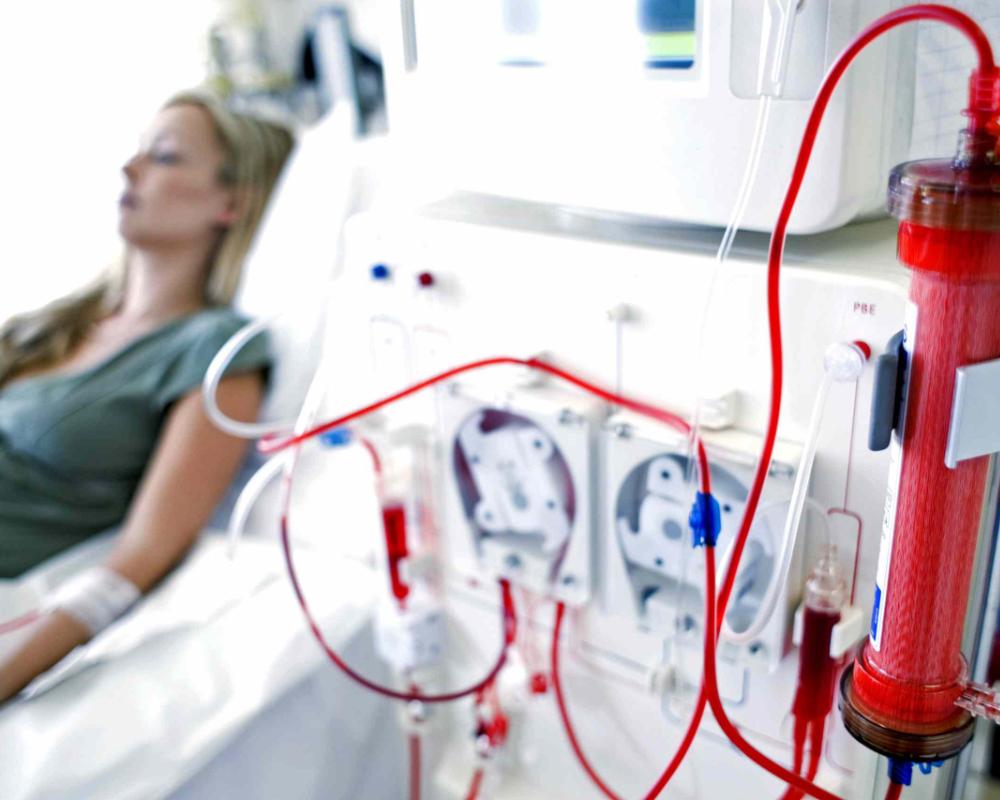
Hemodialysis: Your blood is circulated through an external machine that cleanses it before returning it to your body. This is typically done three times a week at a clinical center, or it can be managed at home with specialized training.
-
Peritoneal Dialysis: This method utilizes the natural lining of your abdomen (peritoneum) as a filter. A cleansing fluid is washed in and out via a small catheter. It can easily be done at home overnight while you sleep, offering much more daily independence.
Kidney Transplantation
A kidney transplant is often the most effective, liberating treatment for advanced kidney failure. It involves surgically placing a healthy kidney from a living or deceased donor into your body. While a transplant requires taking lifelong immunosuppressant medications to prevent your body from rejecting the new organ, it offers a level of health and freedom that closely mirrors natural kidney function.
Your Action Plan: Partnering with Your Care Team
If you are worried about your kidney health, taking immediate, proactive control of your medical path is the most empowering step you can take. Use this checklist to guide your next steps:
-
[ ] Request a Full Kidney Panel: Ensure your doctor checks both an eGFR blood test and a uACR urine test.
-
[ ] Check Your Numbers at Home: Safely track your blood pressure daily. Aim to keep it consistently below 130/80 mmHg, or follow the specific target set by your clinician.
-
[ ] Audit Your Medicine Cabinet: Discuss every medication, vitamin, and herbal supplement you take with your care team to make sure they are fully kidney-safe.
-
[ ] Consult a Renal Dietitian: Establish a proactive, customized eating plan tailored directly to your current blood work.
Medical Disclaimer
The information provided in this article is intended strictly for educational and informational purposes. It does not constitute medical advice, diagnosis, or treatment. Chronic kidney disease is a complex medical condition that requires highly individualized clinical management. Always consult a qualified physician, nephrologist, or certified healthcare professional before making any changes to your medication regimen, diet, or lifestyle.