Receiving a diagnosis of chronic kidney disease (CKD) often brings an immediate, pressing question to mind: is there any cure for kidney disease? For millions of people worldwide, the kidneys act as silent filters, and when their function begins to decline, the impact on overall health is profound. Traditionally, kidney disease has been viewed as a progressive condition with limited options once damage occurs. However, the medical landscape is shifting rapidly, offering new hope through advanced therapies and clinical research.
Is there any cure for kidney disease in its early stages?
In the strictest sense of the word, a "cure" that completely erases previous damage to the renal tissues does not yet exist. However, when caught in the early stages, a "functional cure" is often possible. This means that through aggressive management of underlying causes, a nephrologist can help a patient stabilize their eGFR (estimated glomerular filtration rate) to a point where the disease effectively stops progressing.
By targeting the root causes—typically hypertension and diabetes—doctors can prevent the transition from mild impairment to renal failure. In these early phases, the goal is to protect the remaining healthy nephrons (the filtering units of the kidney). While the scarred tissue may not return to its original state, the kidneys can continue to function well enough to avoid the need for more invasive treatments later in life.
Can kidney damage be reversed through diet and lifestyle?
One of the most common questions patients ask is whether they can eat their way back to health. While diet alone cannot "cure" the disease once significant scarring has occurred, it is the most powerful tool for stabilization. A kidney-friendly diet focused on reducing albuminuria (protein in the urine) and controlling blood pressure can significantly take the "load" off the organs.
Key lifestyle adjustments include:
-
Sodium Reduction: Lowering salt intake to manage blood pressure.
-
Protein Management: Switching to high-quality or plant-based proteins to reduce the amount of nitrogenous waste the kidneys must process.
-
Hydration: Balancing fluid intake to prevent overworking the filtration system.
-
Blood Sugar Control: For those with diabetic nephropathy, maintaining tight glucose levels is the closest thing to a natural "cure" for stopping further damage.
While these steps may not "reverse" permanent scarring, they can improve the renal environment, allowing the kidneys to work more efficiently and potentially improving energy levels and well-being.
What are the latest breakthroughs in finding a cure for kidney disease?
The quest for a definitive answer to the question "is there any cure for kidney disease" has led to incredible scientific milestones. We are currently seeing a revolution in regenerative medicine and pharmacology.
-
SGLT2 Inhibitors: Originally designed for diabetes, drugs like dapagliflozin and empagliflozin have become foundational treatments for CKD. They have been shown to significantly slow the decline of kidney function and reduce the risk of heart complications.
-
Stem Cell Therapy: Researchers are exploring the use of mesenchymal stem cells to reduce inflammation and promote the repair of kidney tissues. While still largely in the clinical trial phase, this represents a major leap toward biological repair.
-
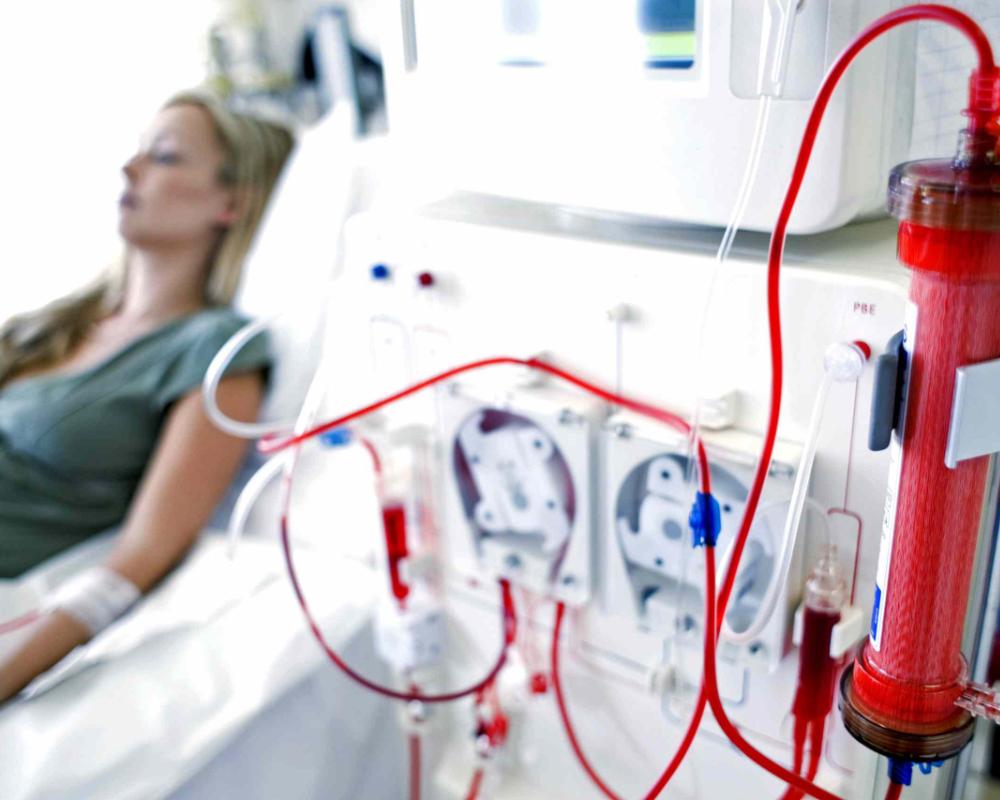
The Artificial Kidney: Projects involving bio-artificial kidneys—devices that combine biological cells with synthetic filters—aim to provide a permanent alternative to dialysis.
-
Gene Editing: Scientists are investigating how to "turn off" the genes responsible for hereditary conditions like Polycystic Kidney Disease (PKD), potentially preventing the disease before it starts.
How can I stop kidney disease from getting worse?
If you are living with a diagnosis, the focus shifts from finding a "cure" to proactive preservation. Stopping the progression of CKD requires a multi-pronged approach:
-
Regular Monitoring: Frequent blood and urine tests to track your creatinine levels and eGFR are essential.
-
Medication Adherence: Taking prescribed ACE inhibitors or ARBs can lower the pressure inside the kidney’s filters, acting as a shield against further damage.
-
Avoiding Nephrotoxins: Staying away from certain over-the-counter painkillers (like NSAIDs) that can be toxic to the kidneys.
-
Weight Management: Reducing obesity lowers the metabolic demand on the kidneys, preserving their longevity.
While the medical community continues to search for a universal cure, the combination of modern medication and disciplined lifestyle choices allows many patients to live long, full lives without ever reaching stage 5 kidney disease.