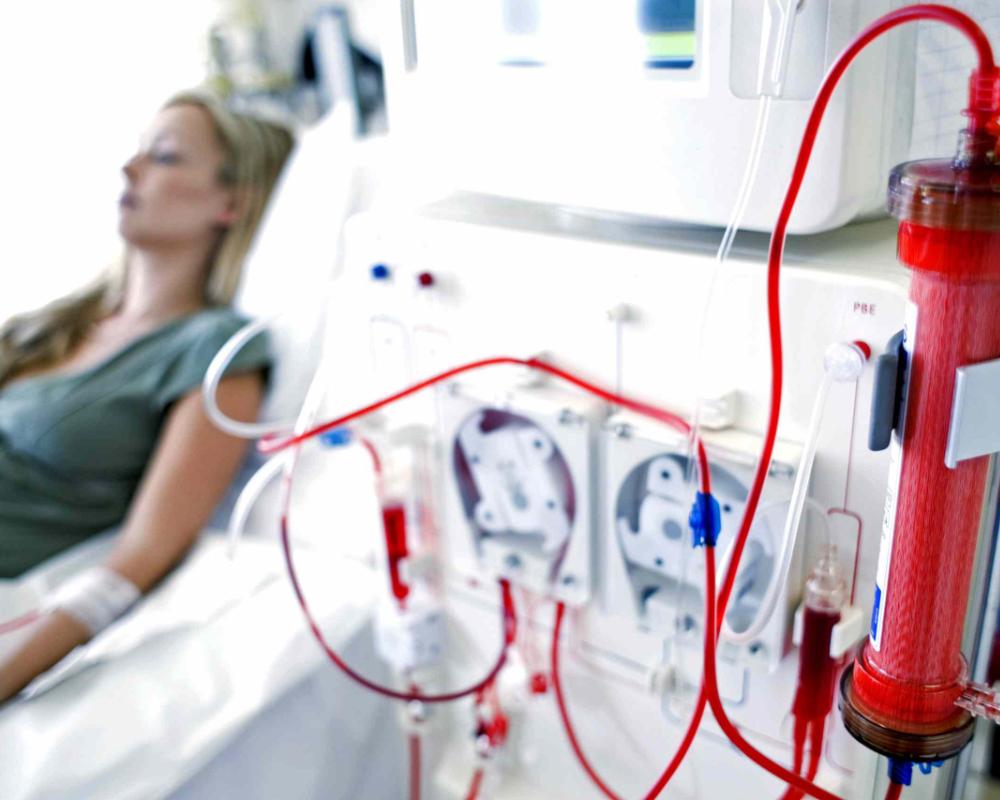

Living with Chronic Kidney Disease (CKD) requires careful attention to many different aspects of your health, from monitoring your blood pressure to tracking your kidney function metrics. However, one critical health issue that frequently catches patients and caregivers off guard is the relationship between kidney disease and low blood sugar. While many people associate kidney complications primarily with high blood sugar, advanced kidney disease significantly alters how your body processes glucose and insulin, making low blood sugar—physically known as hypoglycemia—a surprisingly common and dangerous risk (Alsahli & Gerich, 2015).
Managing both conditions simultaneously can feel overwhelming. When your kidneys are working at a decreased capacity, the medications you take for other conditions can stay in your system longer than intended, throwing off your metabolic balance. Understanding why this happens and learning how to protect yourself is vital to maintaining your quality of life and preventing long-term complications.
This comprehensive guide addresses the primary pain points, frequently asked questions, and lifestyle adjustments necessary for individuals navigating kidney disease and low blood sugar. By understanding the underlying biology and working closely with your healthcare team, you can build a proactive strategy to stabilize your glucose levels and safeguard your kidney health.
Why does chronic kidney disease cause low blood sugar?
To understand how kidney dysfunction leads to low blood sugar, it helps to examine the multiple metabolic roles your kidneys play. While most people know that the kidneys filter waste out of the blood, they are also responsible for clearing hormones from your system, including insulin (Galindo et al., 2020). When kidney function declines, insulin remains in the bloodstream for a significantly extended period, continuously lowering your blood sugar long after it normally would have stopped (Moen et al., 2009).
Additionally, healthy kidneys contribute to a process called gluconeogenesis, which is the creation of new glucose during prolonged periods of fasting or overnight sleep (Galindo et al., 2020). As chronic kidney disease progresses, the kidneys lose their ability to produce this backup glucose, leaving the body entirely dependent on external food intake and liver storage (Rahhal et al., 2019). If your liver's storage is already depleted due to poor nutrition or illness, your blood sugar can drop rapidly without warning.
Finally, uremic toxins—the waste products that accumulate in the blood as kidney function declines—can alter your appetite and alter how your cells utilize energy (Rahhal et al., 2019). Many individuals with advanced CKD suffer from chronic malnutrition or reduced caloric intake due to nausea or strict dietary limits. When you consume fewer carbohydrates but your body continues to circulate prolonged levels of insulin, the risk of developing severe hypoglycemia skyrockets (Gosmanov et al., 2015).
What are the symptoms of hypoglycemia in kidney patients?
Recognizing low blood sugar when you have kidney disease can be uniquely challenging because many classic symptoms overlap with the general fatigue and discomfort of kidney dysfunction itself. Standard warning signs of hypoglycemia include shakiness, sweating, palpitations, anxiety, and a rapid heartbeat. These are triggered by an adrenaline surge as your body desperately tries to raise its glucose levels.
However, many individuals with advanced chronic kidney disease experience a phenomenon called hypoglycemia unawareness (Alsahli & Gerich, 2015). Because autonomic nervous system dysfunction is common in uremic conditions, the typical warning signs like sweating or shakiness may be completely absent (Arem, 1989). Instead, the first signs of a dangerous drop in blood sugar might be neurological, such as sudden confusion, dizziness, slurred speech, blurred vision, or extreme lethargy (Moen et al., 2009).
Because these symptoms can easily be mistaken for standard uremic fatigue or a temporary lack of sleep, careful monitoring is critical. Family members and caregivers should be educated to recognize subtle behavior shifts, mental confusion, or sudden clumsiness in a kidney patient as potential indicators of a critical blood sugar drop. Left untreated, severe neuroglycopenic symptoms—meaning the brain is starved of glucose—can progress to seizures or a loss of consciousness (Gosmanov et al., 2015).
How can you prevent low blood sugar if you have kidney disease?
Prevention starts with a comprehensive review of your current medication regimen. Many common diabetes medications, particularly older sulfonylureas like glyburide, are cleared entirely by the kidneys and can accumulate to toxic, hypoglycemia-inducing levels in patients with CKD (Gosmanov et al., 2015). Your doctor may need to lower your insulin doses or transition you to newer, safer options that do not pose an extreme risk of prolonged low blood sugar (Rhee et al., 2021).
Maintaining a consistent eating schedule is another pillar of defense. Skipping meals or going long periods without carbohydrates is exceptionally risky when you are navigating kidney disease and low blood sugar. Working with a renal dietitian can help you design a balanced meal plan that provides a steady supply of complex carbohydrates to stabilize blood sugar without overloading your body with phosphorus or potassium.
Regular monitoring using a continuous glucose monitor (CGM) or frequent finger-stick tests can help catch descending trends before they become emergencies. Your medical team will likely recommend individualizing your target blood sugar ranges. While tight control is often emphasized for the general population, international clinical guidelines advise a more relaxed glycemic target for advanced CKD patients to provide a safety buffer against severe hypoglycemic events (Rhee et al., 2021).
References
Alsahli, M., & Gerich, J. (2015). Hypoglycemia in patients with diabetes and renal disease. Journal of Clinical Medicine, 4(5), 948–964. https://doi.org/10.3390/jcm4050948
Cited by: 177
Arem, R. (1989). Hypoglycemia associated with renal failure. Endocrinology and Metabolism Clinics of North America, 18(1), 103–121. https://doi.org/10.1016/s0889-8529(18)30391-8
Cited by: 243
Galindo, R. J., Beck, W. W., Scioscia, M. F., Umpierrez, G. E., & Tuttle, K. R. (2020). Glycemic monitoring and management in advanced chronic kidney disease. Endocrine Reviews, 41(4), 756–774. https://doi.org/10.1210/endrev/bnaa017
Cited by: 226
Gosmanov, A. R., Gosmanova, E. O., & Kovesdy, C. P. (2015). Evaluation and management of diabetic and non-diabetic hypoglycemia in end-stage renal disease. Nephrology Dialysis Transplantation, 31(1), 8–15. https://doi.org/10.1093/ndt/gfv258
Cited by: 52
Moen, M. F., Zhan, M., Hsu, V. D., Walker, L. D., Einhorn, L. M., Seliger, S. L., & Fink, J. C. (2009). Frequency of hypoglycemia and its significance in chronic kidney disease. Clinical Journal of the American Society of Nephrology, 4(6), 1121–1127. https://doi.org/10.2215/cjn.00800209
Cited by: 581
Rahhal, M. N., Gharaibeh, N. E., Rahimi, L., & Ismail-Beigi, F. (2019). Disturbances in insulin–glucose metabolism in patients with advanced renal disease with and without diabetes. The Journal of Clinical Endocrinology & Metabolism, 104(11), 4949–4966. https://doi.org/10.1210/jc.2019-00286
Cited by: 84
Rhee, C. M., Kalantar-Zadeh, K., & Tuttle, K. R. (2021). Novel approaches to hypoglycemia and burnt-out diabetes in chronic kidney disease. Current Opinion in Nephrology & Hypertension, 31(1), 72–81. https://doi.org/10.1097/mnh.0000000000000756
Cited by: 26
Medical Disclaimer: This article is for informational and educational purposes only and should not be considered medical advice. Always consult a qualified healthcare professional or nephrologist before making changes to your diet, medication, or diabetes management plan, especially when balancing kidney disease and low blood sugar.