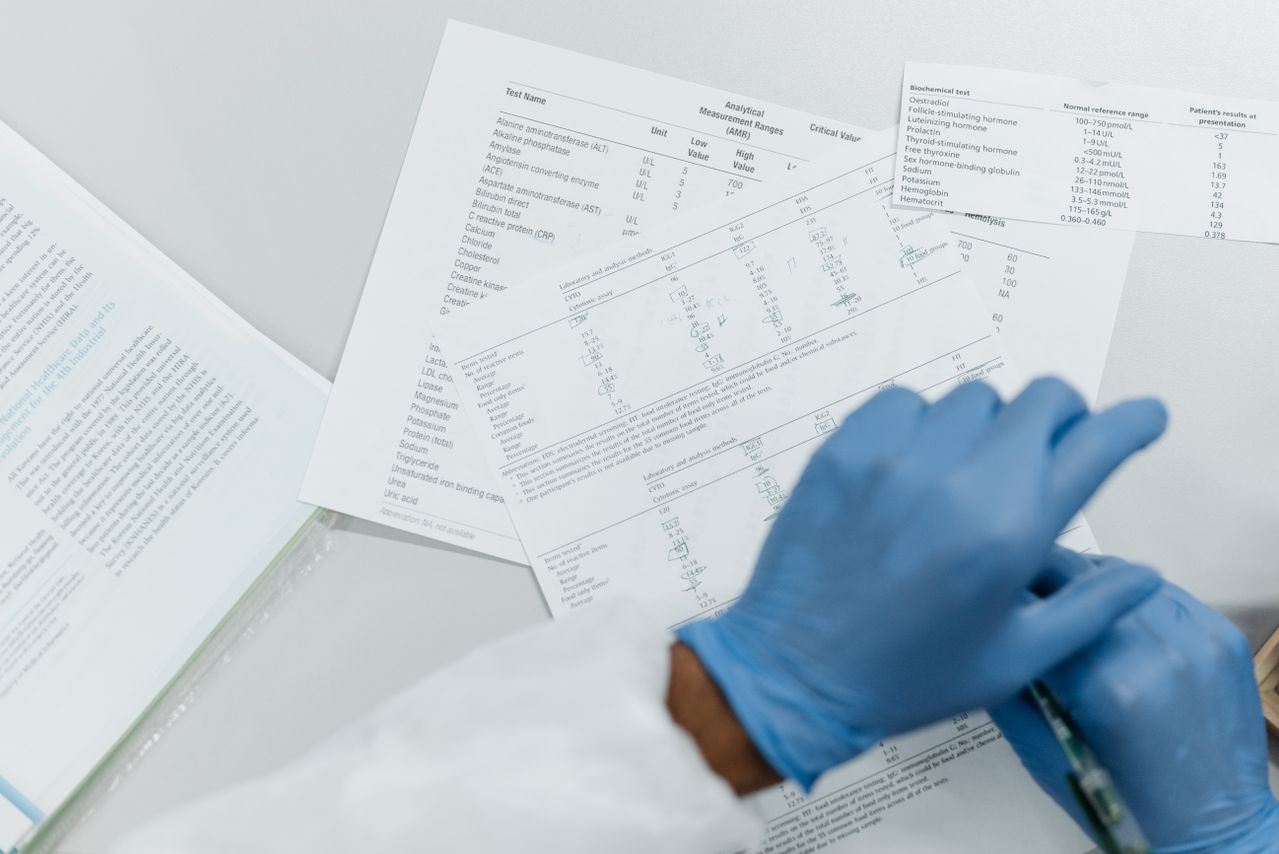
If you or a loved one has recently been handed a lab report with words like "creatinine," "eGFR," or "albuminuria," it is completely normal to feel a sudden wave of anxiety. For many, seeing shifting numbers on a patient portal raises immediate, frightening questions: Are my kidneys failing? Am I going to need dialysis? What do these abbreviations actually mean?
The reality of chronic kidney disease (CKD) is that it is often called a "silent" condition. Millions of people live with declining kidney function without feeling a single physical symptom. In fact, national data reveals that about 9 in 10 adults with CKD do not even know they have it.
The most powerful tool you have to protect your health is understanding your kidney disease numbers. Armed with the right information, you can collaborate with your healthcare team to slow, stop, or even manage the progression of kidney damage.
Let’s break down exactly what these numbers mean, address your biggest worries, and look at the steps you can take today.
The Three Essential Kidney Numbers Explained
When doctors evaluate your renal (kidney) health, they do not rely on just one measurement. Instead, they look at a trio of markers that paint a complete picture of how well your kidneys are filtering waste and whether physical tissue damage is present.
1. eGFR (Estimated Glomerular Filtration Rate)
Think of your eGFR as your kidney's overall "performance score." Your kidneys contain millions of microscopic filters called glomeruli. The eGFR calculates how many milliliters of blood these tiny filters clean every minute, adjusted for your body surface area ($mL/min/1.73m^2$).
-
A Simple Way to Think About It: Many patients find it easiest to view their eGFR loosely as a percentage of kidney function. An eGFR of 90, for example, means your kidneys are filtering at roughly 90% capacity.
-
The Baseline: A normal eGFR is typically 90 or higher. A sustained level below 60 for three months or more is the clinical threshold for diagnosing chronic kidney disease.
2. Serum Creatinine
Creatinine is a natural waste product generated by the everyday wear and tear of your muscles. Healthy kidneys constantly pull creatinine out of your blood and flush it away in your urine.
-
The Inverse Relationship: Because creatinine is a waste product, higher numbers in your blood are actually a sign of lower kidney function. If your kidneys are sluggish, creatinine begins to pool in your bloodstream.
-
Why It Varies: Normal ranges differ based on muscle mass, biological sex, and age. Typically, healthy ranges sit between 0.74 to 1.35 mg/dL for men, and 0.59 to 1.04 mg/dL for women.
3. uACR (Urine Albumin-to-Creatinine Ratio)
While blood tests (eGFR and creatinine) tell us how well the kidneys filter, a urine test tells us if the filter itself is physically damaged.
Albumin is a vital protein that should remain in your blood. If your kidney filters are stretched or damaged, albumin leaks through into your urine. The uACR test compares the amount of albumin to creatinine in a simple spot-urine sample.
-
Excellent (Normal): Less than 30 mg/g.
-
Increased (Microalbuminuria): 30 to 300 mg/g (an early warning sign of kidney stress).
-
Severely High (Macroalbuminuria): Over 300 mg/g (indicates significant damage and higher risk of progression).
Decoding the Stages of Chronic Kidney Disease
To help patients and doctors manage treatment, kidney disease is categorized into five distinct stages based almost entirely on your eGFR.
| CKD Stage | Kidney Function Level | eGFR Range | Typical Symptoms & Clinical Focus |
| Stage 1 | Normal or high function | 90 or above | No symptoms. Minor kidney damage detected only by urine protein (uACR) or imaging. Focus: Managing blood pressure and blood sugar. |
| Stage 2 | Mildly decreased function | 60 to 89 | No symptoms. Continued observation. Focus: Heart-healthy lifestyle changes and monitoring. |
| Stage 3a | Mild to moderate decrease | 45 to 59 | Usually silent, though mild fatigue or water retention may begin. Focus: Active intervention to slow progression. |
| Stage 3b | Moderate to severe decrease | 30 to 44 | Swelling in hands/feet (edema), fatigue, changes in urination frequency. Focus: Preventing complications like anemia or bone issues. |
| Stage 4 | Severely decreased function | 15 to 29 | Pronounced fatigue, swelling, back pain, changes in appetite. Focus: Intensive care with a nephrologist; preparing for potential kidney replacement therapy. |
| Stage 5 | Kidney failure | Below 15 | Nausea, difficulty breathing, severe fatigue, metal taste in mouth. Treatment: Dialysis or kidney transplant is required to sustain life. |
A Crucial Note of Reassurance: Having an eGFR in the Stage 3 range does not mean your kidneys are on an unstoppable path to failure. With modern medications, dietary adjustments, and blood pressure control, many people diagnosed with Stage 3 CKD live their entire lives without ever progressing to Stage 4 or 5.
Addressing Your Pain Points: Why Did My Numbers Change?
It is incredibly common to experience "lab result panic." If you notice your eGFR has dropped or your creatinine has bumped up from your last blood draw, take a deep breath. A single fluctuating lab value does not immediately mean your disease is worsening.
Temporary Triggers of Fluctuating Kidney Numbers
Kidney function numbers are calculated based on your blood chemistry at the exact moment of your blood draw. Several everyday variables can temporarily distort your results:
-
Dehydration: If you did not drink enough water before your blood test, your blood volume drops. This concentrates the creatinine in your blood, artificially spiking your creatinine level and plummeting your calculated eGFR.
-
Dietary Intake: Eating a large portion of cooked meat (which contains natural creatine) the night before a test can temporarily elevate your serum creatinine.
-
Intense Exercise: Strenuous workouts break down muscle fibers, releasing extra creatinine into your bloodstream.
-
Medications: Common over-the-counter pain relievers, particularly NSAIDs like ibuprofen or naproxen, restrict blood flow to the kidneys and can cause a temporary, sharp decline in filtration efficiency.
Always discuss unexpected lab variations with your doctor, who will likely order a repeat test to establish a true trend before modifying your care plan.
High-Risk Conditions: What Drives Kidney Stress?
Understanding your kidney numbers also means understanding why they might be under pressure. Kidney disease is rarely a standalone condition; it is almost always driven by systemic health challenges.
-
The Diabetes Connection: Diabetes remains the primary driver of CKD globally. Chronic high blood sugar damages the delicate blood vessels within the kidneys, gradually wearing down their filtering capability over time.
-
The Hypertension Impact: High blood pressure is the second leading cause of kidney disease. When blood flows through your body's vessels with too much force, it can stretch and scar the tiny, fragile blood vessels inside your kidneys, directly reducing your eGFR.
Actionable Steps to Protect Your Kidney Health
If your kidney disease numbers are not where you want them to be, you are far from powerless. There are clinical, lifestyle, and dietary strategies that can dramatically preserve your remaining kidney function.
Optimize Your Blood Pressure
For most adults with chronic kidney disease, maintaining a blood pressure below $130/80\ mmHg$ is the gold standard. Doctors often prescribe specific blood pressure medications, such as ACE inhibitors or ARBs. These medications do double-duty: they lower systemic blood pressure and physically relax the blood vessels inside the kidney's filters, reducing the amount of protein that leaks into your urine.
Adopt a Kidney-Friendly Diet
What you put on your plate directly dictates how hard your kidneys have to work to clear waste. While you should always work with a renal dietitian to customize your plan, basic parameters often include:
-
Managing Sodium: Lowering your salt intake helps control blood pressure and reduces fluid retention (swelling).
-
Modulating Protein: High-protein diets can force the kidneys to work overtime to clear urea (a protein waste product). Shifting toward plant-based proteins or moderate, high-quality animal proteins can ease this load.
-
Monitoring Potassium and Phosphorus: In later stages of CKD, kidneys struggle to balance these minerals. Your doctor will monitor your blood work to tell you if you need to limit high-potassium foods (like bananas and potatoes) or high-phosphorus foods (like processed meats and dark sodas).
Stay Hydrated, but Moderately
Drink enough clean water so that your urine is pale yellow. However, if you are in advanced stages of kidney disease and experiencing swelling, your doctor may recommend a specific fluid limit to avoid overloading your cardiovascular system.
Moving Forward with Confidence
Receiving kidney disease numbers can feel overwhelming, but look at these metrics as your roadmap. They tell you exactly where you stand, helping you and your care team make proactive, highly effective adjustments to protect your health for the long haul.
Take charge of your health: ask your doctor for your latest eGFR and uACR results, keep a running log of your numbers, and focus on the daily habits that keep your kidneys safe.
Medical Disclaimer
The information provided in this article is for educational and informational purposes only and should not be construed as medical advice. Always consult with a qualified healthcare professional, such as a primary care doctor or a nephrologist, before making any changes to your diet, medication, exercise routine, or treatment plan based on your laboratory results.