
Natural Kidney Health: How a Holistic Strategy Helps Slow CKD Progression
Receiving a diagnosis of chronic kidney disease (CKD) often leaves individuals feeling overwhelmed. Standard medical consultations frequently focus on monitoring lab values until function declines to a threshold requiring dialysis or transplantation. This reactive approach leaves many patients asking a crucial question: What actionable steps can be taken right now to protect remaining renal function?
Adopting a structured kidney disease program provides a proactive framework. By combining targeted nutrition, blood pressure management, key lifestyle adjustments, and stress-reduction protocols, individuals can take direct control of their renal health and work alongside their healthcare providers to support kidney function.
The Silent Challenge: Key Pain Points in Kidney Management
Managing chronic kidney disease presents unique physical and emotional hurdles. Understanding these main concerns helps clarify why a comprehensive approach is necessary.
1. The Fear of Dialysis and Uncontrolled Decline
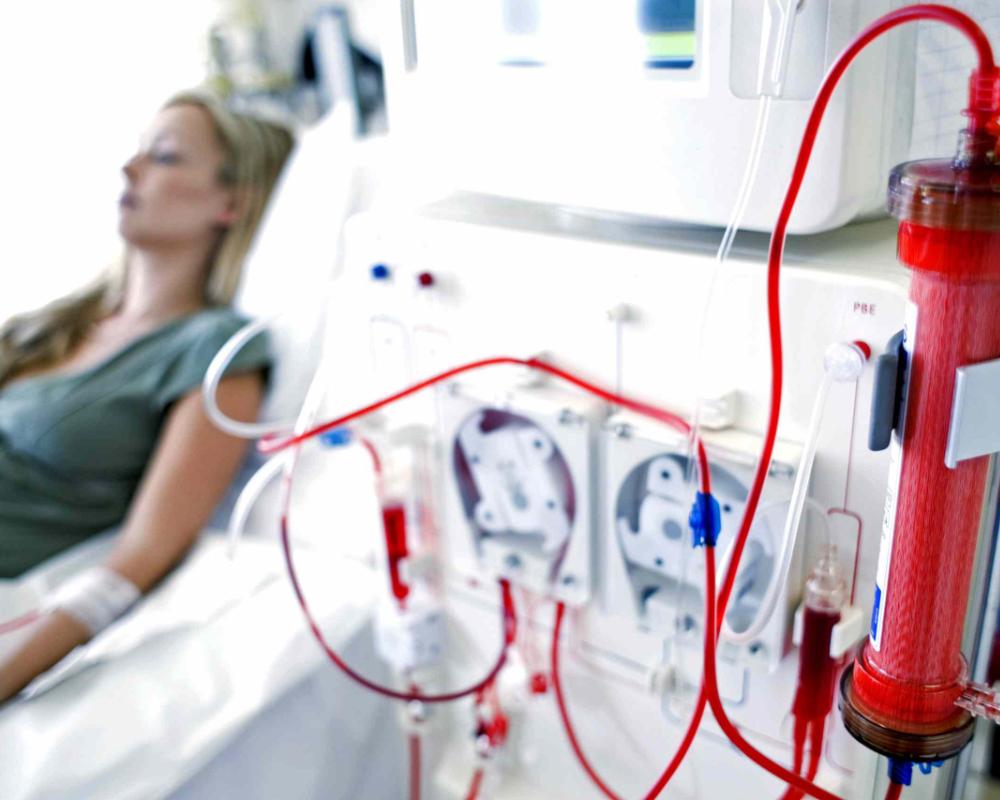
For many, the greatest anxiety following a CKD diagnosis is the potential need for dialysis. Kidney damage often progresses silently without obvious symptoms in its early stages. Without clear, daily guidance, patients frequently feel they are simply waiting for their next blood test to reveal worse news.
2. Dietary Confusion
Dietary advice for kidney health can feel contradictory and restrictive. One source recommends cutting protein, while another emphasizes plant-based options. Meanwhile, restrictions on potassium, phosphorus, and sodium vary depending on your specific stage of kidney disease and current blood markers.
3. Lab Result Stress: eGFR and Creatinine
Deciphering laboratory reports creates significant stress. Serum creatinine measures waste build-up in the bloodstream, while estimated Glomerular Filtration Rate (eGFR) estimates overall filtering capacity. Watching these numbers fluctuate without knowing how daily habits influence them can build frustration.
Understanding the Stages of Kidney Disease
Kidney disease is categorized into five distinct stages based on eGFR measurements. Knowing your current stage allows for a targeted plan tailored to your body's specific filtering capacity.
| CKD Stage | eGFR Level (mL/min/1.73 m²) | Primary Management Objective |
| Stage 1 | 90 or higher | Identify root causes, manage blood pressure, establish healthy habits |
| Stage 2 | 60 to 89 | Monitor filtration changes, implement kidney-friendly dietary guidelines |
| Stage 3a / 3b | 30 to 59 | Reduce metabolic strain, balance electrolytes, optimize blood sugar |
| Stage 4 | 15 to 29 | Advanced dietary precision, close nephrology monitoring, symptom management |
| Stage 5 | Less than 15 | Preparation for renal replacement therapy or intensive conservative management |
Core Components of an Effective Renal Health Strategy
To support the kidneys effectively, management must go beyond taking prescribed medications. A holistic protocol addresses the root causes of renal strain.
Targeted Renal Nutrition
Diet is one of the most powerful tools for managing kidney health. Adjusting key nutrients lightens the filtering workload on remaining nephrons:
-
Protein Management: Excessive animal protein produces high levels of nitrogenous waste, forcing the kidneys to work harder. Transitioning toward high-quality plant-based proteins reduces hyperfiltration in the glomeruli.
-
Sodium Reduction: Excessive sodium intake increases systemic blood pressure and causes fluid retention, accelerating kidney damage. Aiming for fresh, whole foods over processed items helps stabilize fluid balance.
-
Potassium and Phosphorus Balance: As kidney function decreases, the body struggles to excrete excess minerals. Monitoring high-potassium foods (like bananas and tomatoes) and high-phosphorus additives (found in packaged foods and dark sodas) prevents dangerous blood accumulations.
Blood Pressure and Blood Sugar Control
Hypertension and diabetes remain the two leading causes of kidney failure worldwide. High pressure inside the delicate capillary beds of the kidneys damages filtering membranes over time.
-
Maintaining blood pressure within target limits (typically under 130/80 mmHg, as advised by your nephrologist) preserves vascular integrity.
-
Managing blood sugar prevents the formation of advanced glycation end-products that stiffen renal tissue.
Hydration Precision
While fluid intake is vital for flushing waste products, more liquid is not always better. Patients in earlier stages benefit from consistent water intake, whereas those in advanced stages with fluid retention require careful fluid restriction. Tailoring fluid intake to lab markers and urine output is essential.
Herbal and Supplement Protocols
Certain botanical compounds, antioxidants, and anti-inflammatory nutrients have shown potential in supporting cellular health and mitigating oxidative stress in renal tissues. However, because the kidneys clear supplement metabolic byproducts, any addition must be chosen carefully to avoid toxic buildup or dangerous drug interactions.
Key Takeaway: Kidneys do not operate in isolation. Cardiovascular health, metabolic stability, gut health, and systemic inflammation directly dictate how quickly kidney function changes over time.
How a Structured Program Accelerates Progress
While general advice is easy to find, executing a cohesive strategy on a daily basis is where most people struggle. A structured kidney disease program bridges the gap between clinical lab results and real-world daily actions.
Instead of relying on trial and error, following a comprehensive guide gives you step-by-step direction on meal planning, targeted supplementation, exercise guidelines, and stress management techniques designed to support renal recovery.
If you are looking for evidence-based guidance, educational tools, and resources dedicated to protecting your kidneys, explore the complete guide at KidneyAid.org to start taking control of your health.
Frequently Asked Questions
Can kidney damage be reversed?
While scarred kidney tissue (fibrosis) generally cannot be restored, active inflammation can be reduced, and non-damaged nephrons can function more efficiently. By reducing systemic workload, many individuals see improvements in their overall eGFR and serum creatinine levels.
What is the best diet for Stage 3 kidney disease?
Stage 3 CKD benefits significantly from a plant-predominant diet that limits processed foods, restricts sodium to under 2,000 mg daily, and adjusts protein intake to approximately 0.6–0.8 grams per kilogram of body weight. Mineral levels should be adjusted based on routine blood work.
How does stress affect kidney health?
Chronic stress elevates cortisol and adrenaline, causing systemic vasoconstriction and elevated blood pressure. Over time, higher vascular pressure damages the delicate filtering units inside the kidneys. Practices like deep breathing, gentle yoga, and adequate sleep help lower sympathetic nervous system drive.
Finding the right medical team and a supportive community can make all the difference when managing long-term health. Working with healthcare professionals—like nephrologists, dietitians, and primary care doctors—ensures you get accurate diagnoses, tailored treatment plans, and safe oversight for your specific medical needs.
At the same time, connecting with peer support groups, patient advocate networks, or local community wellness programs provides the emotional encouragement and practical, day-to-day tips that clinical appointments often lack. Combining expert medical care with a strong, empathetic support network empowers you to stay informed, motivated, and proactive in maintaining your health.
Medical Disclaimer
The information provided in this article is for educational and informational purposes only and is not intended as medical advice, diagnosis, or treatment. Always seek the advice of your physician, nephrologist, or another qualified healthcare provider with any questions you may have regarding a medical condition or treatment plan. Never disregard professional medical advice or delay in seeking it because of something you have read here.