Navigating a diagnosis of chronic kidney disease (CKD) can feel like a daunting journey into a world of complex medical jargon and lifestyle restrictions. However, the landscape of kidney disease treatment has shifted dramatically. With the emergence of groundbreaking medications and refined clinical guidelines, patients now have more tools than ever to protect their renal health and delay the progression toward kidney failure.
What are the latest medications for kidney disease treatment?
The pharmacological approach to kidney disease treatment has evolved beyond simple blood pressure control. While ACE inhibitors and ARBs remain the foundational "first-line" defense, a new class of drugs called SGLT2 inhibitors (such as dapagliflozin and empagliflozin) has become standard for slowing the decline of the estimated glomerular filtration rate (eGFR).
Furthermore, GLP-1 receptor agonists—originally designed for diabetes—are now widely utilized in kidney disease treatment for their proven ability to reduce albuminuria and protect the heart. For those dealing with specific conditions like IgA nephropathy or lupus nephritis, newly approved targeted therapies like sparsentan and atacicept offer a more personalized approach to reducing inflammation and preserving nephron function.
How can I stop my kidney disease from getting worse?
One of the most common pain points for patients is the fear of impending dialysis. The key to successful kidney disease treatment at home lies in "nephroprotection." This involves a multi-pronged strategy:
-
Blood Pressure Mastery: Maintaining a target of 120/80 mmHg or lower is crucial.
-
Dietary Adjustments: Reducing sodium intake to less than 2,000 mg per day and managing protein consumption to 0.8g/kg of body weight helps lower the workload on the kidneys.
-
Managing Anemia: The KDIGO guidelines emphasize proactive intravenous iron therapy and the use of erythropoiesis-stimulating agents to maintain energy levels and heart health.
-
Avoiding Nephrotoxins: Staying away from NSAIDs (like ibuprofen) and being cautious with contrast dyes during imaging is a vital part of kidney disease treatment.
What are my options if I reach kidney failure?
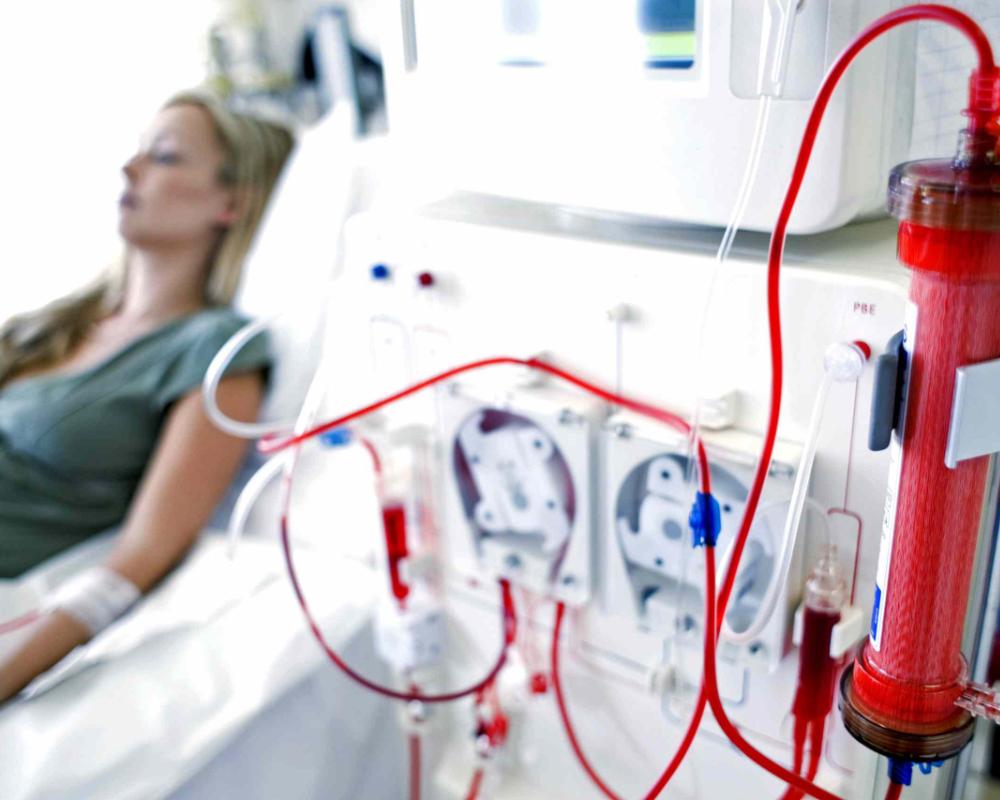
If kidney disease treatment does not stop the progression to Stage 5, the focus shifts to kidney replacement therapy (KRT). Modern medicine in 2026 offers more flexible options than the traditional in-center hemodialysis of the past.
Peritoneal dialysis and home hemodialysis allow patients to integrate therapy into their daily lives, often leading to better clinical outcomes and improved quality of life. For many, a kidney transplant remains the gold standard of kidney disease treatment, providing the best chance for a near-normal lifestyle. Innovations, such as bio-artificial kidney research and improved desensitization protocols, are also helping to shorten the wait for those on the transplant list.
Can lifestyle changes really replace medical kidney disease treatment?
While lifestyle modifications are a cornerstone of health, they are meant to complement, not replace, clinical kidney disease treatment. A "kidney-friendly" diet—limiting potassium, phosphorus, and salt—works in tandem with medications to prevent complications like hyperkalemia or mineral bone disease. Regular physical activity (aiming for 150 minutes per week) supports cardiovascular health, which is the leading concern for those undergoing kidney disease treatment.
Ultimately, the goal of modern kidney disease treatment is to empower the patient. By combining the latest pharmaceutical breakthroughs with diligent self-care and regular monitoring of uremia symptoms, it is possible to live a full, vibrant life despite a CKD diagnosis.