
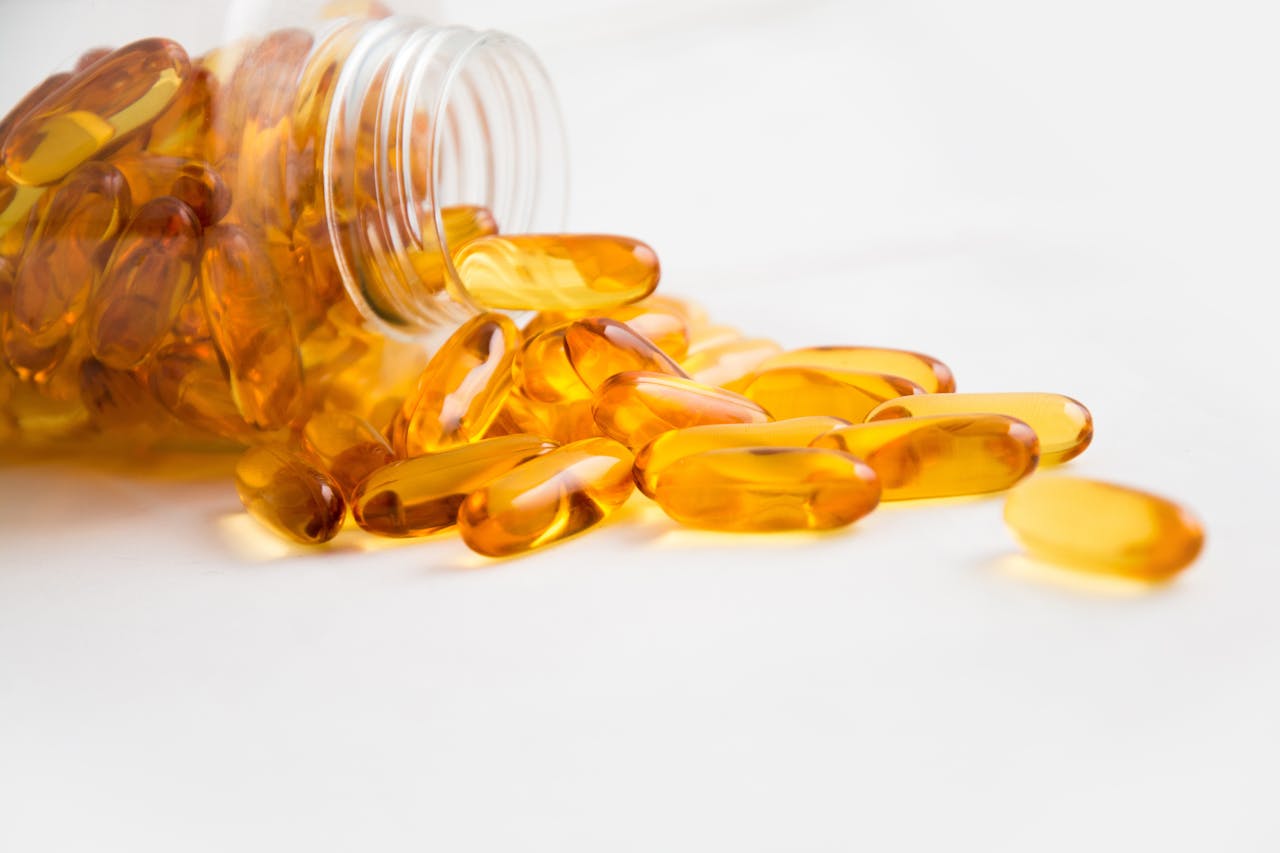
When you first receive a diagnosis of chronic kidney disease (CKD), the sheer volume of information can feel like a tidal wave. As an expert in nephrology, I see patients daily who are searching for a way to regain control over their health. The market is flooded with kidney health products kidney disease treatment options, ranging from life-saving pharmaceutical interventions to "detox" supplements that may do more harm than good. My goal is to help you distinguish between high-value medical strategies and the noise of the wellness industry.
Which kidney health products are actually safe for my stage of kidney disease?
One of the most common questions I hear is whether over-the-counter supplements can help "cleanse" the kidneys. The hard truth is that many herbal products—such as licorice root, stinging nettle, or high-dose vitamin C—can be dangerous for those with reduced glomerular filtration rate (GFR). Because your kidneys are responsible for filtering out waste, a decreased GFR means that even "natural" substances can build up to toxic levels in your bloodstream.
When considering kidney health products kidney disease treatment, safety must come first. Safe products are usually those that fill a specific nutritional gap identified by your medical team. For instance, specialized renal multivitamins are formulated to exclude fat-soluble vitamins like Vitamin A, which can accumulate dangerously, while providing essential water-soluble B-vitamins and folic acid that are often lost during the filtration process. Always consult your nephrologist before adding any new pill to your regimen, as many can interact with your blood pressure or diabetes medications.
Can kidney disease treatment really slow progression and help me avoid dialysis?
The most significant pain point for any patient is the fear of reaching "end-stage" and requiring dialysis or a transplant. I am encouraged to share that we are currently in a "golden age" of kidney disease treatment. For years, our primary tools were limited to managing hypertension with ACE inhibitors or ARBs to reduce proteinuria and protect the delicate filters in the kidneys.
Today, the landscape of kidney health products kidney disease treatment has expanded to include SGLT2 inhibitors. Originally developed for diabetes, these medications have shown remarkable success in slowing the decline of kidney function even in non-diabetic patients. By reducing the workload on individual nephrons and lowering albuminuria, these treatments can significantly delay the need for renal replacement therapy. Combining these with a strict renal diet—low in sodium and carefully balanced in protein—is the most effective way to preserve your native kidney function for as long as possible.
How do I choose the right kidney health products for managing anemia and bone health?
As kidney function declines, the body struggles to produce erythropoietin, the hormone that signals your bone marrow to make red blood cells. This leads to anemia, leaving patients feeling perpetually exhausted. In this context, effective kidney health products kidney disease treatment often includes iron supplements (like iron bisglycinate) or HIF stabilizers that help boost your hemoglobin levels.
Furthermore, managing creatinine levels and mineral balance is crucial for bone health. When kidneys can't properly process phosphorus, it builds up in the blood, leaching calcium from your bones. Your treatment plan might include phosphorus binders, which you take with meals to prevent the mineral from entering your bloodstream, or active forms of Vitamin D. These aren't just "supplements"; they are vital tools in a comprehensive kidney disease treatment strategy designed to keep your skeletal system strong and your energy levels high.
Managing your health is a marathon, not a sprint. By focusing on evidence-based kidney health products kidney disease treatment and working closely with your clinical team, you can take proactive steps to protect your future,