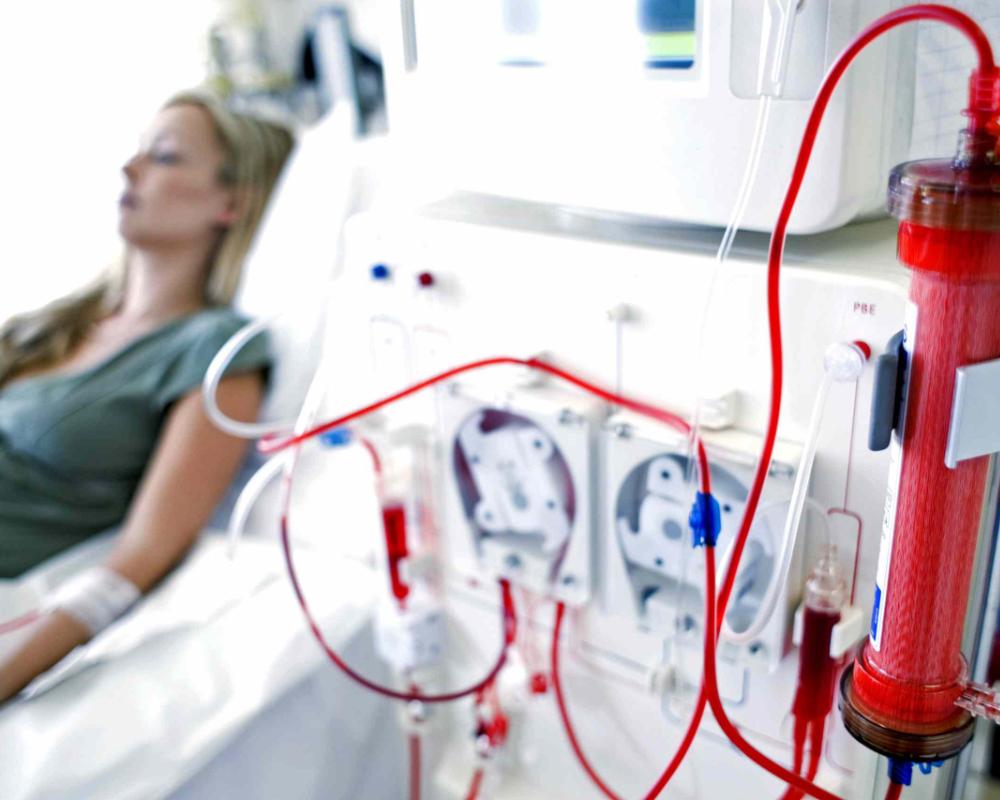

Navigating Chronic Kidney Disease (CKD) can feel like balancing on an emotional and physical tightrope. For many individuals facing advanced stages of renal failure, the prospect of undergoing medical procedures to replace failing organs offers a profound sense of hope. Understanding the realities of kidney transplant operations can dramatically transform anxiety into a structured, manageable path toward renewed vitality and long-term health.
This comprehensive guide is designed to address your deepest concerns, demystify the surgical landscape, and provide actionable clarity. By understanding the rigorous protocols, surgical mechanics, and long-term recovery strategies, you can approach your renal care journey with confidence.
What Are the Eligibility Requirements for Kidney Transplant Operations?
Navigating the Initial Medical Evaluation
The path toward a successful procedure begins with a highly comprehensive medical assessment at a dedicated transplant center. Multidisciplinary teams consisting of nephrologists, transplant surgeons, social workers, and financial coordinators must confirm that your body can handle the rigorous stress of major surgery. Candidates typically qualify if they have reached end-stage renal disease (ESRD) or possess a glomerular filtration rate (GFR) less than or equal to 20 mL/min.
During this deep-dive assessment, you will undergo a battery of diagnostic evaluations including cardiovascular stress tests, pulmonary function checkups, chest X-rays, and age-appropriate cancer screenings. These extensive metrics ensure that hidden underlying pathologies do not compromise your surgical outcome. The goal is to establish a pristine baseline of physical resilience before moving forward.
Understanding Blood and Tissue Compatibility Testing
Securing an ideal match requires strict laboratory matching protocols to minimize the risk of hyperacute or chronic rejection. The first step involves basic blood typing to confirm compatibility between the recipient and the prospective donor, whether living or deceased. While blood-type incompatible procedures are technically possible through specialized desensitization therapies, matched blood types yield the most predictable results.
Following blood matching, tissue typing measures human leukocyte antigens (HLA), which are distinct genetic markers found on your cells. A higher number of HLA matches between you and the donor significantly reduces the likelihood that your immune system will view the new organ as a foreign threat. Finally, a crossmatch test mixes your blood serum directly with the donor's cells; a negative crossmatch is essential, indicating your body lacks pre-existing antibodies that would immediately attack the organ.
Identifying Relative and Absolute Contraindications
While matching metrics are vital, certain health barriers can temporarily or permanently halt the approval process. Absolute contraindications typically include active or recent malignancies, severe untreated psychiatric conditions, advanced irreversible cardiovascular disease, or active systemic infections. These safeguards exist strictly to protect your safety, ensuring that post-operative medications do not exacerbate life-threatening conditions.
Fortunately, many barriers are relative rather than absolute. For instance, individuals experiencing severe obesity or manageable substance dependencies are frequently placed on structured improvement programs. Once weight-loss milestones are successfully met or long-term sobriety is clinically verified, transplant centers happily re-evaluate candidates, opening the door back up to listing eligibility.
How Long Is the Waitlist for a Kidney Transplant?
Decoding the National Allocation Network
Once your medical team officially approves you, your profile is uploaded into a national allocation database managed by regulatory organ procurement networks. This sophisticated matching system operates continuously to analyze donor profiles against thousands of hopeful candidates. The primary objective is to allocate available deceased donor organs with absolute equity, clinical precision, and geographic efficiency.
Your specific position on this waiting list is dynamic rather than a fixed numerical line. The system calculates priority using variables such as your total accrued waiting time, your dialysis initiation date, pediatric status, and localized geographic proximity to the donor. This ensures that organs are moved quickly and safely from donors to recipients without unnecessary structural delays.
Factors that Accelerate or Delay Your Timeline
Several unique biological and practical variables directly influence how rapidly you might receive the call for surgery. Having a highly rare blood type or a highly sensitized immune system—meaning you possess elevated levels of pre-existing antibodies—can notably extend your time on the list. Conversely, high compatibility matches or an agreement to accept specific expanded-criteria organs can significantly speed up the matching timeline.
Key Distinction: The single most effective method to entirely bypass the national waitlist is securing a healthy living donor. Living donation eliminates years of waiting, allows the surgical team to schedule the procedure at optimal times, and routinely yields superior long-term survival rates for the organ.
Staying Active and Ready on the Deceased Donor List
While waiting for a deceased donor organ to materialize, maintaining your active listing status requires vigilant communication and steady health maintenance. You must complete routine periodic blood work to keep your antibody screening profiles completely up to date. Sudden changes in your health, such as an acute infection, a new hospitalization, or a change in cardiovascular health, must be immediately reported to your coordinator.
Physical readiness also demands that you remain easily reachable by your transplant center at any hour of the day or night. Organ offers require immediate responses, often giving you a narrow window of just a few hours to arrive safely at the hospital. Keeping a packed bag, maintaining reliable transportation plans, and managing stress through robust support groups will ensure you are fully prepared when that life-changing phone call finally comes.
What Happens During a Kidney Transplant Surgery?
Pre-Operative Preparation at the Hospital
When you arrive at the medical center for your kidney transplant operation, the clinical environment moves into a state of synchronized precision. Your care team will immediately draw fresh blood samples to conduct a final, real-time crossmatch test, ensuring your body hasn't developed new antibodies since your last screen. You will also undergo an abbreviated physical exam, vital sign assessments, and an EKG to confirm you are in optimal condition for general anesthesia.
Once cleared, clinical teams will insert intravenous lines into your arms or neck to deliver necessary fluids, prophylactic antibiotics, and initial doses of powerful anti-rejection medications. In many advanced centers, regional pain blocks are administered prior to entering the theater. This targeted numbing technique safely blunts surgical pain in the lower abdomen for the initial hours following the operation.
[ Failing Native Kidneys ]  -->  Left undisturbed in their original position

[ New Donor Kidney ]       -->  Surgically placed in the Lower Abdomen (Iliac Fossa)
                                 |-- Connected to Iliac Artery & Vein
                                 |-- Ureter tunneled directly into the Bladder
Step-by-Step Surgical Mechanics
Once general anesthesia induces a deep, pain-free sleep, the primary surgeon creates an incision measuring approximately two to five inches across your lower abdomen, typically just above the groin. Interestingly, your failing native kidneys are almost always left entirely undisturbed in their natural positions. Surgeons only remove native kidneys if they are causing severe, recurrent infections, uncontrollable high blood pressure, or are dangerously enlarged due to polycystic disease.
The healthy donor kidney is carefully positioned into an area known as the iliac fossa. The surgeon meticulously attaches the donor kidney's renal artery and vein directly to your internal or external iliac blood vessels, establishing immediate blood flow. Finally, the donor organ's ureter—the delicate tube that drains waste—is carefully tunneled into your bladder, creating a secure path for urine excretion.
Immediate Post-Operative Monitoring Protocols
The complete surgical procedure typically lasts between two and four hours under the care of specialized anesthesia staff. Immediately following skin closure, you are moved into a dedicated post-anesthesia recovery unit where vitals, oxygen levels, and urine output are checked continuously. A temporary urinary catheter remains in your bladder to precisely measure how quickly the new organ is clearing fluid.
For many recipients, especially those receiving a living donor organ, the new kidney begins producing urine almost instantly on the operating table. In a significant portion of deceased donor procedures, the organ may exhibit delayed graft function, meaning it takes several days or weeks to fully "wake up." During this temporary lag, your care team may utilize short-term dialysis sessions to keep your blood clean until the new kidney takes over completely.
What Is the Recovery Time and Long-Term Care Plan?
Inpatient Recovery Milestones
The typical hospital stay following an uncomplicated kidney transplant operation spans roughly three to seven days. Your clinical team will encourage you to stand up and walk within the first 24 to 48 hours to prevent deep vein thrombosis (blood clots) and promote optimal pulmonary function. Pain is carefully managed through patient-controlled analgesia pumps, which transition into oral medications as your liquid diet upgrades to solid foods.
Before discharge, your transplant coordinators will conduct comprehensive educational workshops with you and your primary care partners. You will learn to track daily fluid intake, monitor strict blood pressure metrics, log your temperature, and recognize the early warning signs of acute rejection or systemic infection. Mastering this educational phase is an absolute prerequisite before you are allowed to return home.
Navigating the Six-Week Home Healing Phase
The initial six weeks at home represent a critical window for physical wound healing and metabolic stabilization. You must strictly avoid lifting objects weighing more than 10 pounds and refrain from driving for at least six weeks to prevent straining your lower abdominal incision. Gentle walking remains the preferred form of exercise, as it builds physical stamina without placing undue stress on your healing core muscles.
| Recovery Dimension | Initial 1–6 Weeks | Long-Term Maintenance |
| Clinic Visits | 2 to 3 times per week | Once every 3 to 6 months |
| Fluid Intake | Strict 2 liters of water daily | Steady, consistent hydration |
| Activity Level | Walking only; no heavy lifting | Low-impact exercise allowed |
| Dietary Limits | No raw foods or unpasteurized dairy | Low-sodium, heart-healthy diet |
Frequent outpatient lab appointments dominate your early home routine, often requiring blood draws multiple times per week. These laboratory assessments track fluctuating creatinine levels, monitor drug toxicities, and allow your nephrologist to fine-tune your immunosuppressant dosages with extreme precision. As your kidney function proves its steady stability, these exhausting clinic appointments will gradually scale back to monthly, and eventually quarterly, checkups.
Lifelong Commitment to Immunosuppression
Protecting your new organ requires an unyielding, lifelong commitment to daily anti-rejection medications, often referred to as immunosuppressants. These specialized pharmaceuticals work by intentionally dampening your body's natural immune responses, stopping your white blood cells from identifying and attacking the donor tissue. Because these medications must maintain precise therapeutic windows in your bloodstream, missing doses can rapidly trigger acute organ rejection.
While these medications are lifesaving, their deliberate suppression of your immune system naturally elevates your susceptibility to opportunistic infections and certain dermatological malignancies. Long-term survivorship requires simple, proactive lifestyle modifications: practicing immaculate hand hygiene, staying well-hydrated with two liters of clean water daily, wearing high-SPF sunscreen outdoors, and avoiding raw or undercooked foods. By partnering seamlessly with your transplant program, your new kidney can deliver robust, life-changing freedom for many years to come.
Medical Disclaimer: The information provided in this article is intended strictly for educational and informational purposes. It does not constitute professional medical advice, diagnosis, or treatment. Always consult with a qualified nephrologist, transplant surgeon, or healthcare provider regarding any questions you have about a medical condition, chronic kidney disease protocols, or specific surgical procedures. Never disregard professional medical advice or delay seeking care because of something you have read in this article.