
I have sat across the desk from thousands of patients who have just received a diagnosis that feels like a life sentence. When you hear that your "filters" are failing, the first instinct is often fear. However, we are living in a golden age of renal medicine. Today, kidney treatment options are more diverse, personalized, and effective than they were even five years ago. Whether you are managing early-stage decline or facing the reality of end-stage renal disease (ESRD), understanding your path forward is the first step toward regaining control.
What are the different kidney treatment options available for Stage 4?
By the time a patient reaches Stage 4 Chronic Kidney Disease (CKD), their Glomerular Filtration Rate (GFR) has typically dropped between 15 and 29. At this juncture, our primary goal shifts from simple monitoring to aggressive preservation. The most modern kidney treatment options for Stage 4 involve a "quadruple therapy" approach:
-
SGLT2 Inhibitors: Once just for diabetes, drugs like Farxiga and Jardiance are now standard for slowing the progression of renal failure.
-
Finerenone: A non-steroidal mineralocorticoid receptor antagonist (ns-MRA) that specifically targets inflammation and scarring in the kidneys.
-
Blood Pressure Control: Using ACE inhibitors or ARBs to reduce the "pressure" inside the kidney's filtering units.
-
Metabolic Management: Addressing secondary issues like anemia and mineral bone disease before they require more invasive intervention.
At this stage, we also begin "treatment option education," where we discuss the logistics of future dialysis or the possibility of a preemptive transplant.
Can kidney disease be cured or reversed?
This is perhaps the most difficult question I answer. In most cases of chronic disease, the scarring (fibrosis) that has already occurred is permanent. However, "reversal" is possible in cases of Acute Kidney Injury (AKI), where a sudden hit—like a severe infection or medication toxicity—causes the kidneys to shut down temporarily.
For chronic sufferers, the goal of modern kidney treatment options is not necessarily a "cure," but "stability." If we can keep your GFR stable for 20 years, we have effectively managed the disease. New breakthroughs in 2025, including the use of GLP-1 agonists (like semaglutide) for kidney protection, are showing that we can significantly delay the "point of no return."
What is the difference between hemodialysis and peritoneal dialysis?
When the kidneys can no longer sustain life (usually when GFR drops below 15), we look at renal replacement therapy.
-
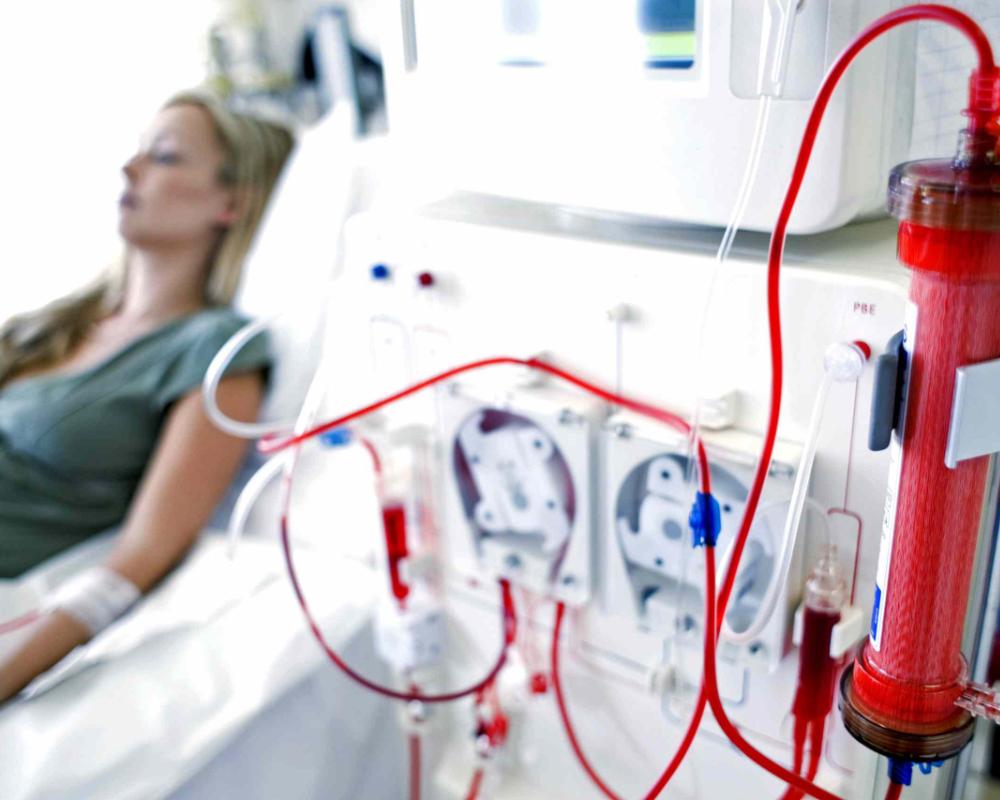
Hemodialysis: This is the most common form. Your blood is pumped through an external filter (an artificial kidney). This is typically done three times a week in a clinic for about 4 hours per session.
-
Peritoneal Dialysis (PD): This is a home-based kidney treatment option. It uses the lining of your own abdomen (the peritoneum) to filter your blood. A special fluid is drained in and out of the belly, often while you sleep.
PD offers more freedom and is gentler on the heart, but it requires a dedicated space at home and the ability to manage a catheter. Hemodialysis offers "days off" from treatment but can be physically exhausting.
How do I know if I need a kidney transplant?
A transplant is often considered the "gold standard" among kidney treatment options. You do not need to be on dialysis to start the process; this is called a preemptive transplant. We generally start the evaluation when your GFR reaches 20.
The criteria for a transplant aren't just about your kidneys; they are about your "survivability." We look at your heart health, your social support system, and your ability to stick to a lifelong regimen of immunosuppressant medications. If you have a living donor, the process can move much faster, often resulting in better long-term outcomes than waiting for a deceased donor on the national registry.
Are there natural kidney treatment options to slow progression?
"Natural" doesn't always mean "herbal." In fact, many herbal supplements can be toxic to failing kidneys. The best natural kidney treatment options involve rigorous lifestyle modifications:
-
The Renal Diet: This is a delicate balance. We often reduce sodium to lower blood pressure, limit phosphorus to protect bones, and manage potassium to avoid heart rhythm issues (hyperkalemia).
-
Protein Management: In later stages, we might reduce animal protein intake to decrease the workload on the kidneys.
-
Hydration: While "drink more water" is common advice, in advanced CKD, we must actually monitor for fluid overload to prevent swelling and lung congestion.
Moving Forward with Confidence
Choosing between various kidney treatment options is a collaborative process. Your nephrologist provides the medical data, but you provide the lifestyle goals. Whether it’s starting a new medication to delay dialysis or preparing for a transplant, your active participation is your greatest asset.